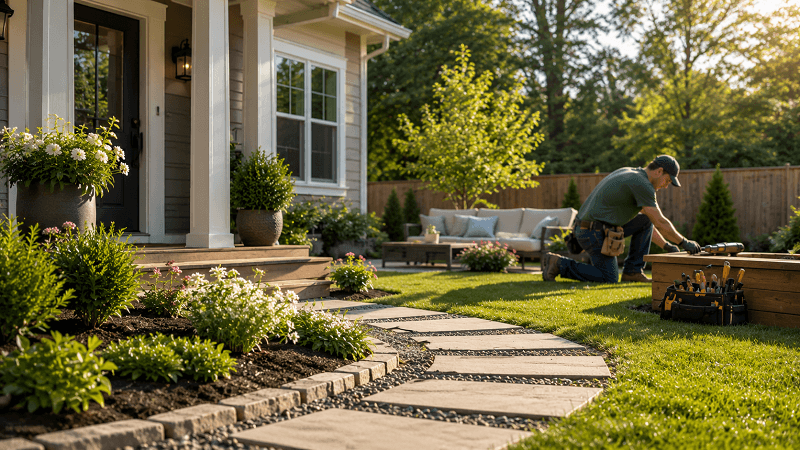
Modern homeowners are reimagining their outdoor spaces with unprecedented attention to sustainability and technological integration. As 2026 approaches, residential landscapes are shifting away from resource-intensive designs toward native plantings, smart irrigation systems, and multifunctional living areas that serve diverse needs throughout the year. These transformations reflect broader lifestyle changes where outdoor environments function as extensions of interior spaces. The convergence of environmental consciousness, aesthetic preferences, and practical innovations is reshaping what defines a contemporary garden or patio.
Top Outdoor Living Trends Shaping Modern Homes in 2026
As homeowners increasingly view their outdoor spaces as extensions of their interior living areas, several key trends are reshaping residential landscaping in 2026. Sustainable design practices dominate, with native plantings and xeriscaping reducing water consumption while supporting local ecosystems. Multi-functional outdoor rooms featuring weather-resistant furniture, built-in kitchens, and fire features create year-round entertainment spaces.
Smart irrigation systems and automated lighting controlled via mobile apps enhance convenience and efficiency. Biophilic design elements blur indoor-outdoor boundaries through large glass doors, natural materials, and vertical gardens.
Low-maintenance landscapes incorporating artificial turf, permeable paving, and drought-tolerant plants appeal to busy homeowners seeking beauty without extensive upkeep. These trends reflect a fundamental shift toward creating purposeful, sustainable outdoor environments that enhance property value and quality of life.
How Sustainable Design Is Influencing Residential Outdoor Spaces
While environmental consciousness transforms consumer priorities, sustainable design has emerged as the cornerstone of contemporary residential landscaping. Homeowners increasingly prioritize native plantings that require minimal irrigation and maintenance while supporting local ecosystems.
Permeable paving systems replace traditional concrete, allowing rainwater to replenish groundwater supplies naturally. Rain gardens and bioswales manage stormwater runoff effectively, reducing strain on municipal systems. Solar-powered lighting illuminates pathways without increasing energy consumption. Composting stations and organic waste management integrate seamlessly into outdoor designs, closing the loop on yard waste.
Drought-resistant xeriscaping techniques gain traction in water-scarce regions, featuring gravel beds, succulents, and strategically placed boulders. Reclaimed materials, recycled composite decking, repurposed stone, salvaged timber, minimize environmental impact while adding character. These sustainable practices deliver functional, beautiful outdoor spaces that align with ecological responsibility.
The Growing Popularity of Multifunctional Patios and Entertainment Areas
Beyond environmental considerations, today’s homeowners reimagine their outdoor spaces as extensions of interior living areas, creating patios designed for multiple purposes throughout the year. These versatile zones now accommodate dining, cooking, lounging, and work activities within a single footprint. Modular furniture systems enable quick transformations from morning coffee nooks to evening entertainment venues.
Integrated technology includes weatherproof speakers, ambient lighting controls, and outdoor heating elements that extend usability across seasons. Covered structures with retractable screens provide shelter while maintaining open-air aesthetics.
Built-in fire features serve as focal points for gatherings while adding functional warmth. Kitchen components range from basic grilling stations to fully equipped outdoor culinary setups with refrigeration and storage. These consolidated entertainment areas maximize property value by delivering year-round functionality without expanding physical square footage.
Smart Irrigation and Energy-Efficient Features for Modern Landscapes
Water conservation technologies have emerged as central components in contemporary landscape design, driven by environmental awareness and rising utility costs. Smart irrigation systems now utilize weather data, soil moisture sensors, and smartphone connectivity to optimize watering schedules, reducing consumption by up to 50% compared to traditional methods.
Solar-powered landscape lighting has become standard in modern outdoor spaces, eliminating electrical costs while providing ambient illumination. LED fixtures with automated timers further enhance energy efficiency. Rainwater harvesting systems integrate seamlessly into contemporary designs, collecting runoff for irrigation purposes.
Drip irrigation networks deliver water directly to plant roots, minimizing evaporation and waste. Native plant selection complements these technologies by requiring minimal supplemental watering once established, creating sustainable landscapes that balance aesthetic appeal with environmental responsibility.
Why Homeowners Are Turning to Garden Centers for Personalized Outdoor Solutions
Growing numbers of homeowners are bypassing big-box retailers in favor of specialized garden centers that offer expert consultation and customized design services. Many homeowners seeking region-specific expertise now rely on garden centers Fort Collins residents trust for climate-appropriate landscaping guidance and tailored outdoor solutions. These establishments employ horticulturists and landscape designers who assess property conditions, climate considerations, and maintenance requirements before recommending plant selections and hardscape materials.
Garden centers provide region-specific expertise that mass retailers cannot match. Staff members understand local soil composition, native species, and seasonal challenges affecting plant survival rates. This knowledge reduces costly mistakes and increases long-term landscape success.
Many centers now offer extensive services including site analysis, scaled design plans, and installation coordination. Homeowners value this integrated approach, which streamlines the transformation process from concept to completion. The personalized attention guarantees outdoor spaces reflect individual aesthetic preferences while remaining practical for intended use patterns and available maintenance time.
Innovative Landscaping Ideas That Improve Property Value and Visual Appeal
Strategic landscaping investments consistently deliver returns of 100-200% at resale, making outdoor improvements among the most financially sound renovations homeowners can undertake. Homeowners investing in landscaping Fort Collins properties often prioritize drought-tolerant designs and native plant selections that thrive in Colorado’s changing climate conditions.
Native plant installations reduce maintenance costs while creating climate-appropriate landscapes that appeal to environmentally conscious buyers. Multilevel garden designs incorporate raised beds, retaining walls, and terraced spaces that maximize usable square footage on sloped properties.
Outdoor lighting systems extend functional hours and highlight architectural features, increasing perceived property value during evening showings. Hardscaping elements like permeable pavers and natural stone pathways provide visual interest while addressing drainage concerns.
Edible landscaping merges aesthetics with functionality through fruit trees, herb gardens, and ornamental vegetables that demonstrate sustainable living practices. Privacy screening using evergreen hedges and decorative fencing creates intimate outdoor rooms without sacrificing curb appeal.
The Role of Native Plants and Low-Maintenance Gardens in Contemporary Design
Native plants have emerged as foundational elements in contemporary landscape design, offering ecological benefits that align with modern sustainability priorities while dramatically reducing long-term maintenance requirements. These species naturally adapt to local climate conditions, requiring minimal irrigation once established and eliminating dependency on chemical fertilizers or pesticides.
Low-maintenance gardens incorporate drought-tolerant perennials, ornamental grasses, and indigenous shrubs that thrive without constant intervention. This approach reduces water consumption by up to 50% compared to traditional landscapes while supporting local pollinator populations and wildlife habitats.
Contemporary designers strategically layer native plantings to create visual interest through seasonal color variations and textural contrasts. The result delivers sophisticated aesthetics without demanding extensive upkeep, appealing to homeowners seeking environmental responsibility alongside practical landscaping solutions that preserve both time and financial resources.
Outdoor Lighting, Privacy Features, and Decorative Elements Transforming Backyards
Modern backyards have evolved into sophisticated outdoor sanctuaries where thoughtful illumination, screening solutions, and artistic accents work in concert to establish distinct atmospheric zones.
LED pathway lights and uplighting fixtures highlight architectural features while consuming minimal energy. Smart lighting systems enable homeowners to adjust brightness and color temperature through mobile applications, creating ambiance for different occasions.
Privacy screens constructed from composite materials, living walls, and strategically placed bamboo clusters define boundaries without sacrificing aesthetics. These elements provide seclusion while maintaining visual interest throughout seasons.
Decorative features include weather-resistant sculptures, fire features, and water installations that serve as focal points. Outdoor rugs, cushions in fade-resistant fabrics, and modular furniture arrangements transform functional spaces into personalized retreats that extend interior living comfort outdoors.
Future Trends in Outdoor Living That Blend Comfort, Technology, and Sustainability
Building upon today’s outdoor innovations, tomorrow’s landscapes will integrate emerging technologies with environmental stewardship in unprecedented ways. Smart irrigation systems will use AI-powered weather prediction and soil sensors to optimize water consumption automatically. Solar-integrated pergolas and pathways will generate energy while providing shade and illumination.
Biophilic design principles will guide plant selection, creating spaces that enhance mental wellness through strategic native plantings and natural sound elements. Modular outdoor furniture constructed from recycled ocean plastics will offer customizable configurations adapted to changing needs.
Vertical gardens equipped with hydroponic systems will enable food production in compact areas. Climate-responsive materials will regulate temperature naturally, reducing reliance on energy-intensive heating and cooling. These convergent innovations will transform outdoor spaces into self-sustaining ecosystems that prioritize human comfort alongside environmental responsibility.