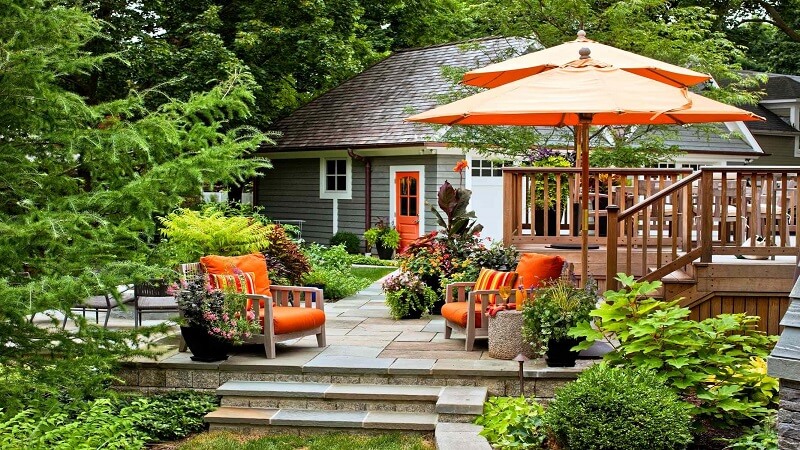
A new landscape should do more than look impressive on installation day. It should make the property easier to use, support healthy plants, and fit the amount of upkeep you actually want to handle.
That takes planning before the first shovel enters the ground. Planting beds, patios, walkways, drainage, and lighting all affect one another. Treating them as parts of one project helps avoid awkward layouts and expensive changes later.
Whether you are refreshing a front entrance or transforming a backyard in the Dayton area, these six tips can help you approach a landscape build with clearer priorities and more useful questions.
1. Start With How You Want to Use the Space
Before choosing paver colors or flowering shrubs, describe an ordinary day in your ideal yard. Perhaps you want room for outdoor dinners, a comfortable route from the driveway, or a quiet place to drink coffee.
Turn those wishes into practical requirements. An entertaining area needs room for furniture and movement. A frequently used walkway should connect the places people actually travel between. A garden enjoyed from indoors should be positioned where you can see it.
Cable Bros Outdoor offers landscape design and installation alongside services including hardscaping, drainage, irrigation, and lighting. Discussing those elements together can help you develop a project around the way your household uses the property.
Bring photographs that illustrate what you like, but explain the reason behind each choice. You might admire a patio because it feels private, rather than because you want the same stone.
Also identify what already works. A healthy tree, useful lawn area, or favorite view may deserve a place in the new plan. Starting over does not have to mean removing everything.
2. Understand the Soil and Follow the Water
A landscape build begins below the visible surface. Soil conditions and drainage influence plant health, construction decisions, and how comfortable the finished space will be after rain.
Walk the property during different weather conditions. Note where water collects, where runoff travels, and which areas stay wet longer than others. Share photographs with the landscape professional so the assessment includes more than a sunny afternoon visit.
Soil testing can identify pH and nutrient conditions that inform planting and amendment decisions. However, a routine soil test does not diagnose every problem. Compaction and poor drainage also require evaluation at the site.
Ask how proposed grading, beds, and paved surfaces will affect water movement. A new feature should be considered within the property’s broader drainage pattern, including nearby buildings and existing outlets.
Avoid choosing a drainage product before understanding the problem. Different conditions may call for different approaches. The goal is a coordinated plan that addresses the cause of persistent wet areas rather than simply disguising them with fresh mulch and optimistic thinking.
3. Give Hardscape Construction as Much Attention as Appearance
Pavers and stone receive plenty of attention because they are the parts everyone sees. The supporting construction deserves just as much discussion.
Concrete paver installation involves preparation of the ground, an appropriate base, edge restraints, bedding material, and the paving surface. Industry guidance identifies soil strength, drainage, climate, and expected loading as factors affecting base requirements.
That means a walkway and an area supporting vehicles may need different construction approaches. Ask the contractor to explain what is appropriate for your site and intended use instead of comparing projects by surface material alone.
Review the layout at full scale when possible. Mark proposed edges and walk through the space. Can someone pull out a dining chair without blocking the main path? Does a gate still open comfortably? Those little tests are wonderfully good at exposing big annoyances.
Discuss construction access as well. Equipment needs a route into the work area, and material deliveries need somewhere to go. Confirm how affected lawn areas, existing beds, and access routes will be protected or restored.
Agree on practical arrangements for daily access while work is underway. Identify which doors, parking spaces, and paths must remain usable, and discuss where children and pets can safely spend time away from equipment and materials during the landscape installation process.
4. Choose Plants for Their Future Size and Actual Conditions
Small nursery plants make it tempting to squeeze in one more shrub. Mature dimensions tell a different story.
Select plants according to sunlight, soil conditions, available moisture, and the space they will occupy as they grow. A variety that performs well elsewhere may struggle in a location with different conditions, even within the same neighborhood.
Ask for a planting plan that identifies the proposed plants and their spacing. Consider how mature growth will relate to windows, pathways, lighting, and neighboring plants. Leaving appropriate room at installation can prevent an endless cycle of pruning later.
Think beyond one flowering season. A balanced planting design can include different bloom periods, foliage textures, and structural interest through the year. The yard should still feel intentional after its showiest flowers finish.
Be realistic about maintenance preferences. If gardening is your favorite weekend activity, detailed beds may be welcome. If your ideal Saturday involves anything except pruning, say so early. A successful design matches both the site and the person who will care for it.
5. Compare Complete Scopes and Plan Any Future Phases
A useful landscape proposal explains what will be built and what is included in getting there. The final price matters, but so does the work behind it.
Look for clear descriptions of removal, preparation, materials, installation, cleanup, and restoration where applicable. Ask how changes will be documented and how decisions about unavailable materials or plant substitutions will be handled.
When reviewing a proposal with Cable Bros Outdoor, use the written scope to connect your priorities with the proposed work. Confirm which features belong in the current project and which are ideas for later.
Phasing can make a larger plan more manageable, provided the stages are coordinated. For example, discuss whether a future lighting installation needs provisions beneath a walkway before that walkway is completed. Planning those connections early may avoid disturbing finished work.
Set aside room in the budget for conditions that become clearer during construction. Rather than relying on a universal percentage, discuss the uncertainties specific to your property and agree on how additional work would be approved.
6. Arrange Aftercare Before the Installation Is Finished
New landscaping needs attention while it becomes established. The final walkthrough should include practical care guidance, not just a chance to admire the transformation.
Ask for watering instructions suited to the installed plants, soil, and season. Newly planted trees and shrubs generally need closer watering attention than established plants. A fixed schedule should still be adjusted for rainfall and actual soil moisture.
Review mulch placement, pruning expectations, and any seasonal tasks. Mulch can help conserve moisture and reduce weeds, but it should not be piled against tree trunks.
If irrigation or lighting is part of the build, request a demonstration of the controls. Confirm who handles adjustments, seasonal service, or troubleshooting, and keep relevant instructions together.
Finally, discuss maintenance responsibilities and any applicable warranty terms. Knowing what care is expected helps you protect the work and recognize problems early. A few clear instructions at handover are much more useful than trying to remember everything while simultaneously planning the first backyard gathering.
Build a Landscape That Fits Your Life
The strongest landscape builds connect attractive design with thoughtful preparation. Clear goals, suitable materials, healthy planting conditions, and a realistic care plan all contribute to a space that continues working after the installation crew leaves.
Start with the way you want to live outdoors, then work through the details with a landscape professional. Ask questions, review the scope, and make room for both construction needs and future growth. The reward is more than a refreshed yard: it is an outdoor space that feels comfortable, useful, and naturally connected to your home.