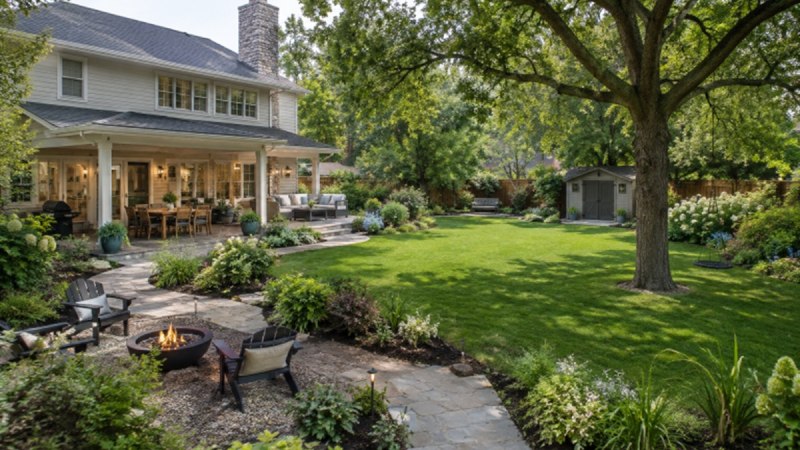
An outdoor space should support real life, whether that means a quiet place for coffee, room for family meals, a productive garden, or an inviting setting for friends. Working with a professional landscape design company can help bring those needs into one cohesive plan rather than creating a yard made up of disconnected additions. The strongest plans begin with daily routines and the conditions already present on the property. A successful yard does not need oversized patios, elaborate structures, or a long list of features. It needs comfortable movement, useful destinations, suitable plants, and materials that can perform well over time.
Why Planning Matters
Outdoor areas often serve more than one purpose. They may be used for dining, reading, gardening, play, pet time, exercise, or simply taking a break outside. Planning before building helps prevent wasted square footage, awkward pathways, poor drainage decisions, and plants that struggle in the conditions where they are installed. A clear layout also makes the property feel connected. Instead of adding a patio, planting bed, storage area, and lighting system independently, each element can support the others. Paths can lead naturally to seating, shade can be placed where it is most valuable, and planting can soften views while defining usable areas.
Assess the Site Before Making Changes
Spend time observing the yard before making final decisions. Notice where the sunlight lands in the morning, afternoon, and evening. Identify places that stay wet after rain, dry out quickly, receive strong winds, or remain shaded by buildings and existing trees.
What to Measure and Record
- Property lines, doors, gates, steps, walkways, and utility locations.
- Slopes, low spots, drainage routes, and areas where water collects.
- Existing trees and plants worth preserving.
- Views that should be framed, along with nearby sights that need screening.
- Routes people already use when moving between the house, driveway, garden, and yard.
A simple sketch can reveal conflicts before construction begins. For example, it may show that a proposed dining area blocks the easiest route from the kitchen or that a new planting bed will make access to a gate more difficult.
Plan Zones Around Daily Habits
Dividing the landscape into zones makes it easier to give every part of the yard a purpose without making it feel crowded. The size of each zone should reflect how often it will be used, not just how attractive it looks on a plan.
- Gathering zone: A patio, deck, or terrace for meals and conversation.
- Quiet zone: A bench, chair, or shaded corner for reading and relaxing.
- Garden zone: Beds for flowers, herbs, vegetables, or pollinator-friendly planting.
- Activity zone: Open space for children, pets, games, or flexible use.
- Service zone: A discreet location for tools, bins, compost, and outdoor equipment.
Connect these spaces with direct, stable paths. The routes used most frequently should be comfortable underfoot and easy to navigate after rain. Avoid placing furniture or decorative features where they interrupt important circulation paths.
Build Comfort Into the Layout
Comfort determines whether an outdoor space is used regularly. Shade can come from existing trees, new canopy trees, pergolas, umbrellas, covered structures, or layered planting. In exposed locations, fences, hedges, and screens can help reduce wind and improve privacy. Place seating where it can take advantage of the best view, desirable shade, or convenient access to the house. Dining areas are generally easier to use when they are close to the kitchen or a main entrance. Leave enough room around tables and chairs for people to move, serve food, and pull out seats without squeezing past others.
Choose Plants for Place and Purpose
Select plants based on light, soil, moisture, local temperatures, and the role each plant needs to perform. Trees can provide shade and structure. Shrubs can define edges or create privacy. Perennials, grasses, and ground covers can add seasonal interest and help cover open soil. Group plants with similar water and care needs together, and allow enough space for mature growth. Native and climate-adapted plants can be practical choices when suited to the site, but every new planting still needs attentive care as roots become established. Evergreen plants can be especially useful where year-round screening matters.
Manage Water With Care
Healthy soil, mulch, appropriate planting, and well-maintained irrigation all contribute to more thoughtful water use. Use mulch around suitable plantings to help retain soil moisture and limit weed growth. Check irrigation regularly for leaks, clogged emitters, overspray, and schedules that do not match seasonal conditions. For a broader approach, the EPA recommends combining water-saving strategies, such as appropriate plant selection, irrigation improvements, and landscape planning. Where conditions and local requirements allow, permeable surfaces, rain gardens, and rainwater collection can also be considered as part of a site-specific drainage plan.
Select Durable, Low-Impact Materials
Choose surfaces based on function, climate, upkeep, and safety. Paths, steps, and wet areas should have stable, slip-resistant finishes. Limit the number of different paving materials to keep the design calm and visually connected. Consider how a material will age, how easily it can be repaired, and whether replacement parts or matching materials will be available later. A lower-impact approach does not require every item to be new. Reusing sound stone, retaining useful plants, reducing unnecessary paving, and building only what the property needs can create a more responsible plan.
Use Lighting to Extend Evening Use
Begin with safety, light steps, gates, changes in level, and main walking routes first. Add softer lighting around dining and seating areas, then use restrained accent lighting for trees, planting beds, walls, or architectural details. Shield fixtures and aim them away from neighboring windows to reduce glare. Timers, dimmers, and controls can help prevent lighting from running unnecessarily.
Create a Realistic Maintenance Plan
Match the design to the available time, budget, and skill level. List routine tasks such as watering, mowing, weeding, pruning, cleaning, and seasonal inspections. Keep irrigation valves, drains, equipment, and storage areas accessible. A smaller planting bed that receives consistent care will usually look better than a large bed that becomes difficult to manage.
A Simple Outdoor Planning Checklist
- What should the space help people do each day?
- Where are the sunniest, shadiest, wettest, and windiest areas?
- Which routes need to stay clear and easy to walk?
- Which plants suit the site and expected level of care?
- Where will tools, bins, and equipment be stored?
- How will the space work after dark and through different seasons?
A well-planned outdoor space grows from everyday needs, careful observation, and a realistic commitment to care. When layout, comfort, planting, water use, materials, and maintenance work together, the result can feel useful and welcoming in every season.
Conclusion
A well-planned outdoor space should reflect how the household actually lives while responding to the property’s natural conditions. Before construction begins, consider sunlight, shade, drainage, soil, wind, access, and existing features so each part of the yard has a clear purpose. Creating connected areas for dining, relaxing, gardening, activity, and storage can make the space easier to use without overcrowding it. Plant and material choices should also match local conditions and the amount of maintenance the household can realistically provide. Planning irrigation, lighting, storage, drainage, and future upkeep from the beginning can prevent unnecessary changes later. Ultimately, a successful landscape does not depend on having the most features. It comes from thoughtful planning that creates comfortable, practical spaces that remain useful, attractive, and manageable as the seasons and household needs change.