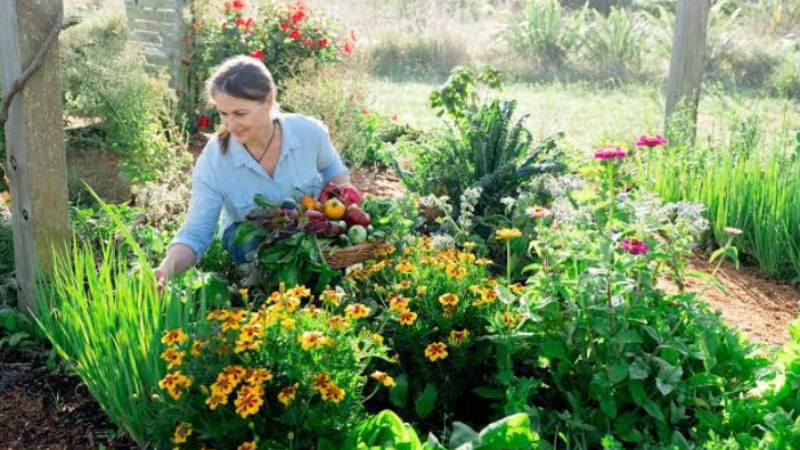
A beautiful yard does not happen by accident. It grows from good planning, healthy plants, and an understanding of the local climate. Whether you are refreshing a small front bed or designing an entire backyard retreat, the plants you choose shape the look, comfort, and value of your property. Coastal North Carolina offers a long growing season and a wide range of possibilities, but it also brings humidity, sandy soils, and occasional storms that gardeners must consider.
This article explores how to choose plants that suit the region, how to prepare your soil, when to plant, and how to care for your garden throughout the year.
Why Buying Locally Matters for Healthy Plants
Plants grown close to where they will be planted tend to adapt better to local conditions. They are already accustomed to the temperature swings, humidity, and soil types of the area, which gives them a strong start once they are in your garden. Visiting a trusted plant nursery jacksonville nc is one of the best ways to find healthy specimens, since local growers stock varieties known to perform well in the region and can advise on spacing, sunlight, and watering. Staff members often have hands-on experience with common pests and seasonal challenges, so you can ask practical questions before you buy rather than discovering problems later.
Buying locally also lets you inspect plants in person. You can check for firm stems, vibrant leaves, and a healthy root system, which improves the odds that your purchase will thrive.
Selecting Plants Suited to Coastal Carolina Conditions
Choosing the right plant for the right place is the foundation of low maintenance gardening. Consider these factors before you buy:
- Sunlight: Note how many hours of direct sun each area receives, since full sun, partial shade, and deep shade call for different species.
- Soil type: Sandy soil drains quickly and may need amendments, while heavier soils hold water longer.
- Salt tolerance: Properties near the coast benefit from plants that handle salt spray and wind.
- Mature size: Check the expected height and width so plants do not outgrow their space.
Native and well adapted species are often the smartest choice. Plants such as muhly grass, wax myrtle, yaupon holly, coneflower, and black eyed Susan handle heat and humidity well and support local pollinators. Ornamental favorites like crape myrtle, camellia, and azalea add seasonal color and are familiar sights across the Southeast.
Preparing Your Soil Before Planting
Healthy soil is the hidden engine of a successful garden. Many coastal soils are sandy and low in organic matter, which means water and nutrients pass through quickly. Mixing in compost, aged bark, or other organic material improves moisture retention and feeds beneficial microbes.
A simple soil test can reveal pH and nutrient levels, helping you avoid unnecessary fertilizer. Most extension offices offer affordable testing, and the results explain whether your soil needs lime, sulfur, or specific nutrients. Loosen the planting area to a depth that allows roots to spread, remove weeds and debris, and level the surface before placing any plants.
Timing Your Planting Through the Seasons
The mild climate of the region gives gardeners more flexibility than many other areas, but timing still matters. Fall is widely considered the best season for planting trees and shrubs, because warm soil encourages root growth while cooler air reduces stress on foliage. Spring is ideal for annuals, perennials, and vegetables, once the danger of frost has passed.
Summer planting is possible but requires extra attention to watering, since young plants can dry out quickly in high heat. Winter is a good period for planning, pruning dormant plants, and preparing new beds. By matching tasks to the right season, you give each plant its best chance to establish itself.
Watering, Mulching, and Ongoing Care
Newly planted material needs consistent moisture while roots establish. Water deeply and less often rather than giving shallow, frequent sprinkles, because deep watering encourages roots to grow downward and makes plants more resilient during dry spells. Early morning is the best time to water, since it reduces evaporation and helps foliage dry before evening, lowering the risk of fungal disease.
Mulch is one of the most effective tools in any garden. A layer of two to three inches around plants helps retain moisture, moderate soil temperature, and suppress weeds. Keep mulch a few inches away from trunks and stems to prevent rot and pest problems. Refresh it once or twice a year as it breaks down.
Managing Pests and Plant Health Naturally
Regular observation is the simplest form of pest control. Walk through your garden often and look for discolored leaves, chewed edges, or unusual spots. Catching an issue early usually means a gentler solution is enough. Encouraging beneficial insects such as ladybugs and lacewings, planting a diverse mix of species, and avoiding overcrowding all reduce the pressure from pests and disease.
When treatment is necessary, choose the least harmful option first, such as hand removal, insecticidal soap, or horticultural oil. Always follow label directions and avoid spraying when pollinators are active.
Creating Year Round Interest
A well designed garden offers something to enjoy in every season. Combine spring flowering shrubs with summer perennials, fall foliage plants, and evergreens that hold their structure through winter. Ornamental grasses add movement and texture, while layered planting, with taller plants at the back and low growers in front, creates depth. Adding containers near entrances and patios allows you to change displays easily as the seasons shift.
Conclusion
Successful gardening comes down to informed choices, patient preparation, and steady care. By selecting plants suited to local conditions, improving your soil, planting at the right time, and maintaining a thoughtful watering and mulching routine, you can build a landscape that looks attractive and stays healthy for years. Seeking advice from a knowledgeable plant nursery jacksonville nc can make each of these steps easier, giving you access to regional expertise and quality stock. With a clear plan and a little consistency, your garden can become a welcoming, resilient space that adds beauty and value to your home.