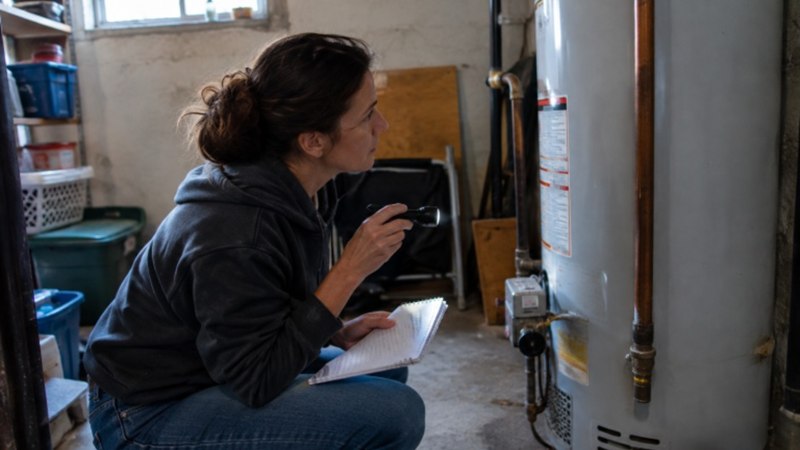
A water heater is easy to forget until the shower turns cold or water appears on the floor. A simple care calendar makes it easier to notice small changes before they become disruptive problems. Homeowners who want a clear starting point can review and then tailor the schedule to their equipment, water conditions, and manufacturer instructions.
The goal is not to take apart every component or attempt work that involves gas, electricity, pressurized water, or internal controls. Instead, use regular visual checks, keep useful records, and arrange qualified service when the manual or the condition of the unit calls for it.
Why a Care Calendar Helps
Routine observation is generally less stressful than responding to a leak or a sudden loss of hot water. A written calendar creates a place to record the installation date, past repairs, service appointments, and symptoms such as rumbling or slower hot-water recovery. It also helps household members recognize that a tank, tankless unit, and heat pump water heater do not have identical maintenance needs.
Start by Knowing Your Water Heater
Find the manufacturer label and owner’s manual before setting reminders. Record the model number, installation date, fuel or power source, warranty details, last inspection date, and replacement parts already installed. Note whether the unit is a storage tank, tankless system, conventional electric model, gas-fired model, or heat pump water heater. Federal definitions distinguish storage, instantaneous, and heat pump water heaters, but the owner’s manual remains the best guide for the specific equipment in the home.
Simple Monthly Checks
Once a month, take a few minutes to inspect the area without removing panels or touching wiring, gas piping, or safety controls.
- Look for water around the base, drain pan, nearby pipes, and fittings.
- Check for new rust, mineral residue, damp insulation, or corrosion on visible connections.
- Listen for unusual popping, banging, or rumbling during a heating cycle.
- Notice whether hot water runs out sooner or takes longer to recover.
- Keep stored items, especially flammable materials, away from the appliance.
- Pay attention to changes in water color, odor, or temperature consistency.
Seasonal Water Heater Tasks
Spring
After winter, check exposed water lines for leaks or damage and make sure the area around the appliance is dry, lit, and accessible. If the heater is in a garage, basement, or crawl space, look for signs that moisture has collected nearby.
Summer
Review the manual before scheduling deeper maintenance. On gas equipment, make sure air openings and visible venting areas are not blocked. Watch for unexplained changes in energy use or performance during periods of normal household demand.
Fall
Fall is a practical time to schedule an annual inspection before colder weather and holiday visitors increase hot-water demand. Review the unit’s age, repair history, and capacity if the household expects guests or other changes in usage.
Winter
Protect exposed water lines in unheated areas from freezing conditions. Keep the route to the heater clear so a shutoff, drain pan, or service access can be reached quickly if a problem develops.
Annual Maintenance to Plan
The exact service interval depends on the equipment, local water quality, use patterns, and manual. A yearly review may include visible connection and valve checks, inspection of temperature and pressure safety components, examination of expansion equipment where installed, and evaluation of sediment or mineral buildup. Storage-tank models may also need an anode rod inspection. Heat pump units commonly need air-filter and condensate-drain attention, while tankless systems may need descaling when mineral scale is a concern.
Care by Water Heater Type
- Storage tank: Watch for sediment, corrosion, leaking connections, and reduced hot-water capacity.
- Tankless: Monitor water flow, temperature consistency, filters, venting, and mineral scale. Tankless equipment still needs maintenance, even though it does not store a large volume of hot water.
- Heat pump: Keep airflow paths open and follow the manual for filter and condensate care. The operating basics of heat pump water heaters involve moving heat from surrounding air into the tank, so room conditions and airflow matter.
Warning Signs and Water Heater Safety
Water pooling beneath the unit, visible tank corrosion, repeatedly dripping safety valves, discolored hot water, loud new noises, fluctuating temperature, or higher bills without a clear reason all justify closer attention. An active leak, a strong gas odor, smoke, scorch marks, damaged wiring, or signs of combustion trouble require prompt professional help.
Never bypass a safety control, block vents, or use the water heater area for chemical or fuel storage. Use caution around hot pipes and metal surfaces. Before any approved maintenance, follow the manufacturer’s instructions for shutting off the applicable power or fuel source.
Ways to Reduce Energy Waste
Start with basic habits: repair dripping hot-water fixtures, insulate accessible hot-water piping where appropriate, use a reasonable temperature setting, and avoid blocking airflow around heat pump models. Compare utility bills over time rather than assuming one higher bill identifies a water heater problem. When replacement becomes necessary, consider capacity, available space, climate, electrical service, fuel source, installation requirements, and operating costs instead of choosing by purchase price alone.
When to Call a Qualified Professional
Professional service is the safer choice for active leaks, visible tank deterioration, gas odors, damaged electrical components, safety-valve problems, internal tankless descaling, or equipment with an unclear maintenance history. It is also appropriate whenever the work involves gas piping, electrical connections, pressurized water, very hot components, or difficult access.
Common Questions
How often should a water heater be checked?
A quick visual check can be monthly, seasonal reviews can focus on access and weather-related concerns, and professional maintenance should follow the manufacturer’s recommended schedule.
Is flushing every water heater necessary?
No. Storage tanks may collect sediment, but tankless and heat pump models have different maintenance procedures. Follow the manual for the installed model.
Can a homeowner replace an anode rod?
It can require partial draining, the correct replacement part, adequate clearance, and substantial force to remove the rod. Professional help is sensible when tools, access, or experience are limited.
What belongs in a maintenance record?
Write down inspection dates, observed symptoms, temperature settings, service performed, parts replaced, and the recommended follow-up date. A clear record makes future decisions easier and turns water heater care into a manageable part of home upkeep.