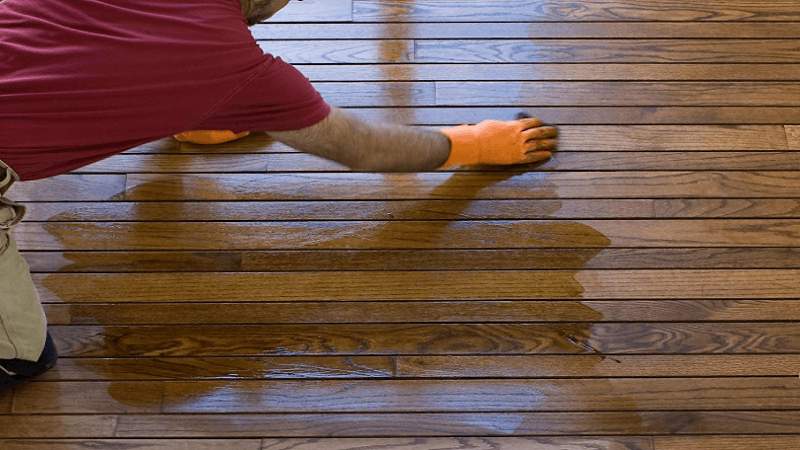
Hardwood floors add warmth and value to Seattle homes, but over time, they lose their shine. Light scratches, dull finishes, and worn spots in high-traffic areas are common. While many assume full sanding is the only solution, that’s not always necessary.
Screen and recoat flooring in Seattle offers a faster, cleaner, and more affordable way to refresh floors without sanding down to bare wood.
This guide explains how screen and recoat works, when it’s the right choice, and why it’s ideal for Seattle’s climate.
What Screen and Recoat Really Mean
Many homeowners hear refinishing and immediately think of dust, days of downtime, and floors sanded down to raw wood.
Screen and recoat are different.
This method involves:
- Lightly abrading the existing finish using a fine mesh screen
- Applying a new coat of polyurethane or similar protective finish
- Restoring clarity, sheen, and protection without altering the wood itself
Key benefits of screen and recoat:
- No deep sanding required
- Minimal dust and disruption
- Perfect for floors with surface wear only
- Helps delay costly full refinishing
Seattle’s moisture-heavy environment causes finish breakdown faster than in drier regions.
A timely screen and recoat prevents that wear from reaching the wood beneath, giving floors a longer, healthier life.
Signs Your Seattle Home Needs a Screen and Recoat
Screen and recoat flooring in Seattle works best when the wood is in good condition, but the finish needs help.
Homeowners often overlook early warning signs that the protective layer is wearing down.
Here are the most common indicators:
1. Dull or Cloudy Finish
If the sheen has faded, even after cleaning, it may be time for a refresh.
2. Light Scratches and Scuffs
These marks live in the top coat, not in the wood, and can be removed with a proper recoat.
3. Worn Paths in High‑Traffic Areas
Hallways, kitchens, and entryways show wear faster due to Seattle’s rain and grit from shoes.
4. No Bare Wood Showing
If scratches haven’t penetrated the wood itself, screening is enough to revive the surface.
Homeowners often think full refinishing is needed too soon.
In reality, a screen and recoat can restore beauty in a single day without sanding off valuable wood layers.
Why Seattle’s Climate Makes This Service Essential
Seattle’s climate brings unique challenges for hardwood floors.
Moisture, mud, and temperature shifts all affect finish longevity.
How Seattle Weather Impacts Floors
- Humidity and rain break down the finish faster.
- Moisture tracked indoors causes dulling and early wear.
- Temperature changes cause expansion and contraction.
- Winter grit and dirt act like sandpaper.
Because of these factors, screen and recoat flooring in Seattle is not just cosmetic; it’s protective.
This is to keep moisture from reaching the wood and to prevent warping or permanent staining.
The approach also uses low‑VOC, eco‑friendly finishes ideal for Seattle’s sustainability‑focused homeowners.
Why Professional Screen and Recoat Matters
Although DIY floor products exist, screen and recoat is not a project most homeowners should attempt on their own.
The process requires precise technique and specialized equipment.
What professionals bring to the table:
- Consistent abrasion for proper adhesion
- Commercial‑grade finishes built to withstand Seattle’s climate
- Dust‑controlled equipment for a clean experience
- Expert evaluation to confirm if your floors qualify
Uneven screening or the wrong finish can lead to peeling, streaking, or trapped debris.
A professional service ensures the floor cures properly and looks uniform from wall to wall.
How Often Should Seattle Homeowners Schedule Screen and Recoat?
In Seattle households, the ideal timing depends on activity level, floor species, and finish type.
Most homes benefit from recoating every:
- 3 to 5 years for average traffic
- 2 to 3 years for homes with pets or kids
- 5+ years for low‑traffic vacation properties
Unlike sanding, screen and recoat flooring in Seattle removes none of the wood, so it can be repeated multiple times over the life of the floor.
Keep Your Hardwood Floors Beautiful With Expert Care
Hardwood floors are a staple in Seattle homes, but daily wear, foot traffic, and moisture can leave them dull and scratched over time.
Many homeowners think sanding is the only fix, but it’s not always needed.
Screen and recoat flooring in Seattle offers a faster, cleaner, and more affordable way.
This is not only to restore shine but also to protect wood without sanding down to bare wood.
Sandless in Seattle often develops personalized maintenance plans for homeowners, ensuring floors remain protected year‑round, regardless of weather or lifestyle.
Looking for a way to revitalize your hardwood floors without the stress of sanding?
Contact Sandless in Seattle for a professional evaluation.
FAQs About Screen and Recoat Flooring in Seattle
Does screen and recoat remove deep scratches?
No, deep scratches that reach the wood require sanding or refinishing.
Screen and recoat is best for surface‑level wear.
How long does screen and recoat take to complete?
Most projects finish in one day.
Floors can often be walked on within hours, though full curing takes one to two days.
Will it help protect floors from moisture?
Yes, the new finish adds a stronger barrier against Seattle’s damp conditions.