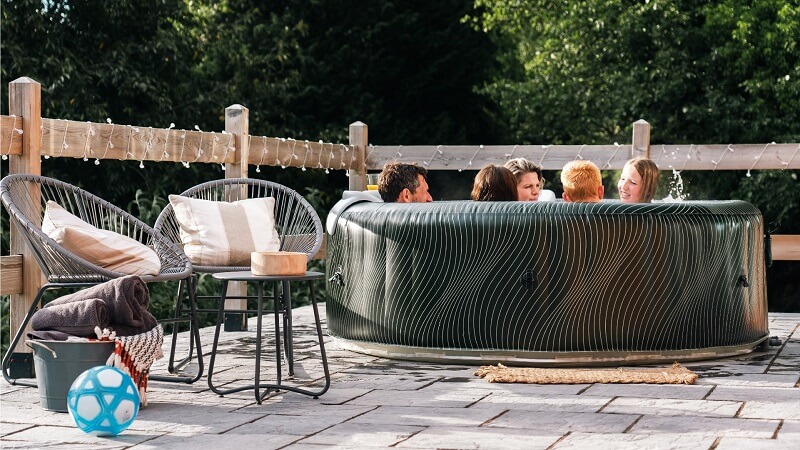
When it comes to creating an oasis in your backyard without breaking a sweat or breaking the bank, it is all about timing. Portable spas are incredibly convenient, but also come at a wide range of prices, depending on the temperature and the calendar.
Walk into a retailer or do some online shopping on the first warm weekend in May, and you’ll pay peak retail price. In the spring, manufacturers understand that people must get some outdoor entertainment. If you know the market and seasonality of the home spa business, however, you can get the best inflatable hot tub for hundreds of dollars less than your neighbors’ prices.
Let’s break down the yearly moving trends of portable spas to help you make the best decision for purchasing them.
The Seasonal Price Curve: When Do Prices Actually Drop?
Inflatable hot tubs have a predictable demand curve that can be directly linked to weather patterns in the area in which they are sold. Retailers have to work on tight inventory targets, and there are seasonal demands for product sales throughout the year.
- Late Summer and Autumn Clearance (August – October): This is the best time of year to find the best deals. Retailers are already thinking about winter by August, for example, for patio heaters and indoor fitness equipment. Large box stores and online warehouses don’t like paying to store large boxes of summer products for the winter.
The savings can be 20% to 40% off original retail prices during the late season. Popular models may be sold out, so the selection may be a little more limited, but the money saved is unmatched.
- Retailers tend to liquidate the stock from the previous year in the months leading up to the spring rush (February – March), and dispose of it for lower than market prices. Late winter is a great value if you don’t care about purchasing a model 12 months ago. Features of portable spas don’t vary significantly from one year to the next, and last year’s model offers virtually the same technology at a lower price.
How does this compare to the “lows” during the holidays?
When looking for larger garden purchases, many buyers think that the big sale times of the major holidays are ideal. Sales are often unique during the Memorial Day or Fourth of July weekend, but the discounts are not as substantial as those found in the fall when stock is being cleared.
Normally, in the late spring and mid-summer, you can expect to get a bundle (a complimentary starter chemical kit or an extra filter cartridge) when you buy a unit for a holiday sale, instead of a significant discount on the unit’s actual cost. If you want a true bottom-dollar price on the best inflatable hot tub, look past the summer holiday weekend hype and wait for the post-season inventory shakeup.
| Shopping Window | Price Competitiveness | Selection Quality | Best For |
| May – July | Poor (Peak Retail) | Excellent | Buyers who want the latest models immediately. |
| August – October | Excellent (Deep Discounts) | Moderate | Budget-conscious buyers are looking for raw savings. |
| November – December | Moderate (Holiday Deals) | Low | Gifting or winter hydrotherapy seekers. |
| February – March | Good (Clearance Stock) | Low to Moderate | Bargain hunters are willing to buy last year’s tech. |
The Catch: Balancing Price Discounts with Product Availability
It may be a smart financial move to wait for the lowest price, but there’s an even bigger pitfall: availability.
Those who purchase during peak season (May or June) are able to choose size, color, jet configuration, and additional premium features such as LED lighting, energy-efficient thermal covers, etc. You’ll be taking what’s left over in October.
If you are one of those who has a certain model in mind, like a specific 6-person square tub with actual hydro-jet instead of normal air pockets, it may be better to strike it quick in the middle of the summer season instead of waiting for the end of the season when the models are being cut loose at clearance sales.
Beyond the Sticker Price: Hidden Costs of Ownership
But certain costs cannot be quietly set aside. Hot tub shopping works the same way — the sticker price is only the starting point. What sits beneath it matters just as much:
Chemicals and water care: Bromine, chlorine, pH balancers, and shock treatments are not optional extras — they are day-one necessities that continue indefinitely.
Power requirements: Keeping an inflatable model warm through colder months draws significantly more electricity than a hard-shell tub under the same conditions.
Though it may seem like a money-saver, purchasing an energy-saving cover that isn’t insulated can end up costing you more in utilities each month. A hot tub is thousands of pounds heavy once it is filled with water. If the patio isn’t perfectly level, you might need to purchase a good-grade foam ground pad or a level utility base.