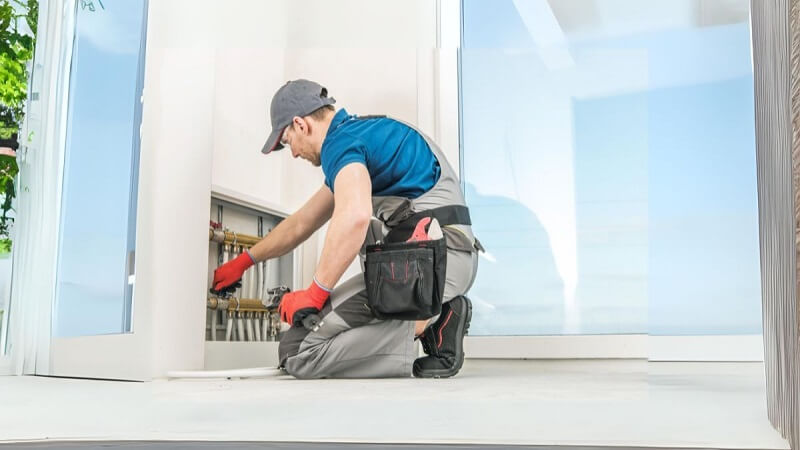
Property maintenance has evolved significantly over the past decade. Building owners, facility managers, and homeowners are no longer focused solely on aesthetics and structural upgrades. Increasingly, attention is shifting toward preventative maintenance strategies that protect buildings from long-term damage and costly repairs.
One of the most persistent challenges in both residential and commercial properties is excess moisture. Damp-related issues can quietly develop behind walls, beneath floors, and within structural elements before becoming visible. As buildings age and environmental conditions become less predictable, moisture management has become a critical component of responsible property ownership.
Industry professionals now recognize that addressing damp problems early can help preserve structural integrity, improve indoor air quality, and reduce future maintenance costs. Understanding the causes, risks, and solutions associated with dampness is essential for anyone responsible for protecting the value and performance of a property.
The Growing Impact of Damp Issues on Buildings
Dampness is more than a cosmetic concern. While discoloration, peeling paint, and musty odors are often the most noticeable symptoms, the underlying effects can be much more serious. Moisture intrusion can weaken building materials, encourage mold growth, and contribute to deterioration over time.
Older buildings are particularly vulnerable due to aging construction materials and outdated waterproofing methods. However, modern structures are not immune. Poor ventilation, construction defects, and changing weather patterns can create conditions where moisture accumulates unexpectedly.
As awareness of building health continues to increase, property owners are becoming more proactive about identifying early warning signs. Regular inspections and preventative measures help reduce the likelihood of extensive damage and minimize disruption to occupants.
Industry experts consistently emphasize that effective moisture control requires more than temporary fixes. Long-term solutions depend on accurately identifying the source of the problem and implementing appropriate treatment methods tailored to the specific building conditions.
Why Professional Assessment Matters
Many damp-related problems appear similar on the surface but stem from entirely different causes. Rising damp, condensation, penetrating damp, and plumbing leaks each require distinct approaches. Misdiagnosing the issue can result in unnecessary expenses and ineffective repairs.
This is why professional assessments have become increasingly important. Experienced specialists use comprehensive inspection techniques to evaluate the extent of moisture intrusion and determine the most effective course of action.
Property owners seeking guidance often consult with trusted damp treatment specialists in London to gain a clear understanding of the underlying causes and appropriate remediation strategies. Proper diagnosis helps ensure that treatments address the root issue rather than simply masking visible symptoms.
Professional expertise also plays a key role in preserving building materials. By applying targeted solutions based on accurate findings, specialists can help prevent recurring issues and extend the lifespan of structural components.
Advances in Damp Treatment and Prevention
The property preservation industry has seen significant advancements in recent years. Modern damp treatment methods are more precise, efficient, and durable than many traditional approaches.
Innovative moisture monitoring technologies now allow specialists to detect hidden problems before they become severe. Digital diagnostics and advanced surveying techniques provide valuable data that supports informed decision-making and targeted interventions.
At the same time, treatment systems have evolved to improve long-term performance. Modern waterproofing materials, protective barriers, and ventilation solutions are designed to address moisture concerns while maintaining the integrity of the building.
Preventative maintenance has also become a major focus. Rather than waiting for visible damage to occur, many property owners are implementing proactive inspection schedules and moisture management plans. This shift toward prevention helps reduce repair costs and improves overall building resilience.
As environmental factors continue to influence property conditions, adopting modern preservation practices is becoming increasingly important for both residential and commercial assets.
The Connection Between Building Health and Occupant Well-Being
The condition of a building directly affects the people who live and work within it. Excess moisture can contribute to indoor air quality concerns, creating environments where mold and mildew thrive.
Poor indoor conditions may impact comfort levels and lead to complaints from occupants. In commercial settings, unresolved damp issues can affect productivity and create additional maintenance challenges. For residential properties, maintaining a healthy indoor environment is often a top priority for families.
Building owners are increasingly recognizing the value of integrating moisture control into broader property management strategies. Effective damp prevention supports healthier indoor spaces while protecting long-term investment value.
A well-maintained building not only performs better structurally but also provides a more comfortable and reliable environment for occupants. This dual benefit reinforces the importance of addressing moisture-related risks before they escalate into larger concerns.
Conclusion
As property maintenance standards continue to evolve, moisture management is emerging as a critical area of focus. Damp issues can compromise structural integrity, increase maintenance costs, and negatively affect indoor environments if left unresolved.
Proactive assessment, accurate diagnosis, and modern treatment strategies offer effective ways to mitigate these risks. Property owners who prioritize preventative maintenance are better positioned to preserve building performance and avoid costly future repairs.
The industry’s growing emphasis on long-term preservation reflects a broader understanding that building health requires ongoing attention and expertise. Looking ahead, advancements in diagnostics, treatment technologies, and preventative practices will continue to shape how properties are protected from moisture-related challenges.
For property owners committed to safeguarding their investments, effective damp management remains an essential part of sustainable and responsible building maintenance.