When you start planning a bathroom remodel, one of the first big decisions you face is vanity style. Specifically, should you go with a floating vanity or a floor-mounted cabinet? It sounds simple, but this choice shapes the look, feel, and function of your entire bathroom. The right bathroom cabinets can make a space feel larger, more organized, and more enjoyable to use every single day.
Both floating and floor-mounted vanities have real strengths. Neither is universally better. The right choice depends on your bathroom layout, your storage needs, your personal style, and how you actually use the space day to day. This guide breaks down the key differences so you can walk into your remodel feeling confident about the direction you choose.
What Is a Floating Vanity?
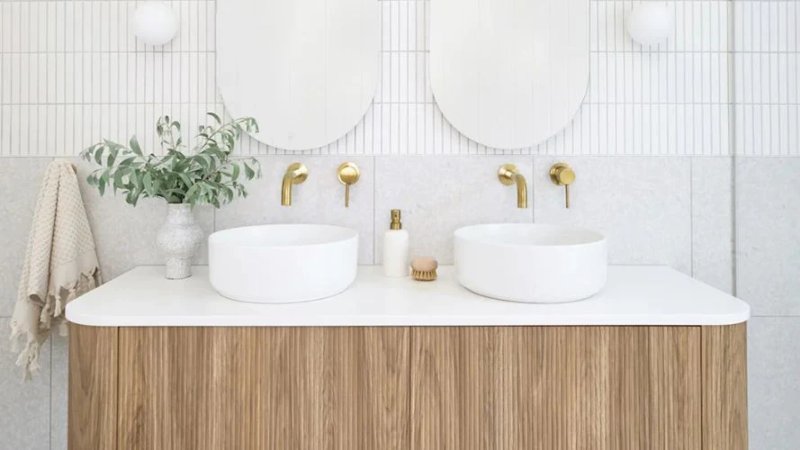
A floating vanity, sometimes called a wall-mounted vanity, is a cabinet that attaches directly to the wall and has no legs or base touching the floor. The space beneath it is completely open.
This style became popular in modern and contemporary bathroom designs, but it has since expanded well beyond those aesthetics. Today, you can find floating vanities in traditional, transitional, and even farmhouse-inspired styles.
What Is a Floor-Mounted Vanity?
A floor-mounted vanity sits directly on the floor and is supported by a solid base or legs. This is the more traditional style and has been a staple in bathrooms for decades.
Floor-mounted vanities come in an enormous range of styles, from classic furniture-style pieces with decorative legs to more streamlined, contemporary designs with a full toe-kick base.
How Each One Affects the Look of Your Bathroom
Floating Vanities and Visual Space
One of the biggest reasons homeowners choose a floating vanity is the way it opens up a bathroom visually. When the floor is visible beneath the vanity, the room feels larger and less cluttered. This effect is especially noticeable in smaller bathrooms where every inch of visible floor space counts.
Floating vanities also give a bathroom a clean, uninterrupted look. Without a base touching the floor, the design feels lighter and more modern. If you love a sleek, spa-like aesthetic, this style often delivers exactly that.
Floor-Mounted Vanities and Visual Weight
Floor-mounted vanities tend to feel more substantial and grounded. In a larger bathroom, that visual weight can actually be a good thing. It creates a sense of permanence and anchors the design.
This style also tends to feel more traditional and familiar, which appeals to homeowners who prefer a classic bathroom look. A beautifully crafted floor-mounted vanity with detailed molding or furniture-style legs can become a true focal point of the room.
Storage: Where the Real Differences Show Up
Floating Vanities
Floating vanities generally offer storage that is focused and efficient. Because they are mounted at a fixed height, you often get a full cabinet interior without the angled or reduced storage that some floor-mounted styles create near the base.
However, the open space beneath a floating vanity is not usable storage. If you are someone who relies on that under-sink area for bins, baskets, or extra supplies, you will need to account for that somewhere else in your bathroom design.
Floor-Mounted Vanities
Floor-mounted cabinets tend to offer more total storage capacity because they use the full vertical space from floor to countertop. They often include base cabinets with pull-out drawers, deep shelving, and integrated organizers.
If storage is your top priority, a well-designed floor-mounted vanity typically delivers more usable space. This is especially relevant for shared bathrooms or anyone who keeps a lot of toiletries, medications, or linens in the vanity area.
Cleaning and Maintenance Considerations
This is one area where the two styles differ more than most people expect before they renovate.
Floating Vanities
Because the floor beneath a floating vanity is fully exposed, it is much easier to clean. You can sweep or mop the entire floor in one pass without navigating around a base. For homeowners who are thorough about cleaning, this is a meaningful advantage.
The trade-off is that the exposed underside of the cabinet is visible. If the installation is not clean or if the wall behind it is not properly finished, it can look unfinished. A quality installation matters here more than in almost any other vanity style.
Floor-Mounted Vanities
Floor-mounted vanities conceal the floor beneath them, which means that area is harder to clean. Dust, moisture, and grime can accumulate along the base and in corners that are difficult to reach.
That said, many homeowners prefer the look of a grounded cabinet precisely because it covers that area. It is a matter of personal preference and how much the cleaning routine factors into your decision.
Installation: What You Need to Know
Floating Vanities Require Wall Reinforcement
One important consideration with floating vanities is that they require a structurally sound wall for mounting. In many cases, a contractor will need to add blocking inside the wall to support the weight of the cabinet, countertop, and sink.
This is not a complicated process, but it is something that needs to be planned for and done correctly. A poorly mounted floating vanity can become a safety issue over time, especially in a busy household.
Floor-Mounted Vanities Are More Straightforward
Floor-mounted cabinets do not require the same level of wall reinforcement. They sit on the floor and are typically easier to install, which can translate to lower labor costs in some cases.
If your bathroom is undergoing a full remodel, this difference may be minor. But if you are doing a more targeted update, the installation complexity of a floating vanity is worth factoring into your planning.
Which Style Works Best for Different Bathrooms?
Every bathroom is different, and the right vanity style depends on several factors specific to your space. Here is a general guide to help you think through it:
- Small bathrooms tend to benefit most from floating vanities, since the open floor space creates the illusion of more room.
- Primary bathrooms with two users often do better with floor-mounted vanities or a double vanity setup that maximizes storage on both sides.
- Guest bathrooms are excellent candidates for a floating vanity when style and visual impact matter more than maximum storage.
- Bathrooms with young children may be better served by floor-mounted cabinets, which offer more storage for all the supplies that come with a busy family.
- Aging-in-place bathrooms may benefit from floor-mounted designs with specific accessibility features, though floating vanities can also work depending on the overall design.
There is no single right answer. The best choice is the one that fits how you actually live in your home.
Height: A Detail That Makes a Big Difference
One advantage of a floating vanity is that the mounting height is adjustable. Standard vanity height typically falls between 32 and 36 inches, but a floating design can be positioned higher or lower to accommodate different users.
This flexibility is especially valuable if you are remodeling with long-term comfort in mind or if multiple people of different heights share the bathroom. Getting the height right from the start makes the space more comfortable to use every single day.
Floor-mounted vanities typically come in standard heights, though custom options give you much more control over the final dimensions.
A Word About Custom Options
Whether you choose a floating or floor-mounted style, opting for a custom or semi-custom cabinet gives you far more control over the outcome. Off-the-shelf vanities are made to fit average spaces and average needs, which means they rarely fit your space perfectly.
Custom bathroom cabinetry is built to your exact dimensions, your preferred storage configuration, and your personal design vision. That means no awkward gaps, no wasted corners, and no settling for a layout that almost works. When you invest in a bathroom remodel, the cabinetry should work exactly the way you need it to, not the way a manufacturer decided most people probably need it to.
Making the Right Call for Your Bathroom
At the end of the day, both floating vanities and floor-mounted cabinets can be the right answer. The key is understanding your priorities before you commit.
Ask yourself these questions as you plan:
- Do I want the bathroom to feel more open and spacious?
- How much storage do I actually need in this space?
- Who uses this bathroom, and how do their needs factor in?
- What is my overall design style, and which vanity type supports it?
- Am I thinking about long-term comfort and ease of use?
Your answers will point you in a clear direction. And once you know what you want, working with an experienced cabinetry team ensures the end result looks as good as you imagined and functions even better than you expected.
A bathroom remodel is a meaningful investment. The vanity you choose will be part of your daily routine for years to come, so it is worth taking the time to choose thoughtfully and work with professionals who will get every detail right.