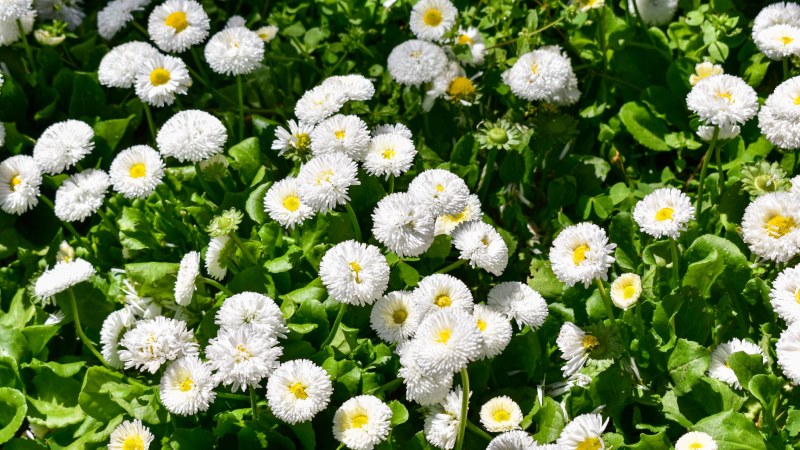
The American lawn is having a quiet identity crisis. For decades, a flawless carpet of grass was the default goal for every front yard, and we poured weekends and water into chasing it. Lately, though, more homeowners are stopping to ask what all that mowing, watering, and fertilizing actually buys them. The honest answer is often a patch of green that demands constant attention and gives very little back beyond looking acceptable.
That second look at the lawn is leading a lot of people toward a simple swap: trade some of the grass for plants that work harder and ask for less.
Start Small, Start at the Curb
You don’t have to tear out the whole yard to feel the difference. The smartest place to begin is the patch of turf that’s the biggest headache anyway, the narrow strip between sidewalk and street, or a slope that’s genuinely unpleasant to mow. Convert that into a bed of pollinator plants and within a single season it fills with bees, butterflies, and the occasional hummingbird. Unlike the grass it replaced, an established bed of natives doesn’t need weekly mowing, and once its roots are down it shrugs off the dry spells that send a lawn brown and gasping.
That one conversion tends to be a gateway. Most people who replace a single strip find themselves eyeing the next one by the following spring.
Lawns Quietly Cost More Than You Think
The case for cutting back on turf gets stronger the closer you look at it. According to the Environmental Protection Agency, outdoor watering accounts for nearly a third of all residential water use in the United States, roughly nine billion gallons a day. A NASA-led analysis found that turfgrass is actually the country’s single largest irrigated crop, covering more ground than corn. Add the gas for the mower, the fertilizer, and the hours of your own time, and a lawn starts to look less like a free amenity and more like a recurring bill you pay in money, water, and Saturdays.
None of that means you have to give up grass entirely. It just means every square foot of lawn should be there because you actually use it, not out of habit.
Let Perennials Carry the Design
When you do replace turf, build the new beds on a backbone of perennials. They come back year after year, they spread to fill space that would otherwise cost you in fresh plants, and a well-chosen mix gives you structure and color across the seasons. Pair tall, sturdy bloomers at the back with mounding plants in front, repeat a few of the same varieties for a sense of rhythm, and the bed reads as designed rather than random. Over two or three years those plants knit together into something fuller and more interesting than any lawn could ever be.
Lean on natives where you can. They’re adapted to local rainfall and soil, so they need less supplemental water and far less coddling than a thirsty turf grass ever did.
It also helps to plan for the long game. In its first year a new perennial bed can look a little sparse, which tempts people to overplant. Resist that. Give plants room to reach their mature size and the bed fills in honestly by the second or third year, without the crowding and constant dividing that overplanting creates. A thin layer of mulch between the young plants keeps weeds down and the whole bed looking tidy while everything settles in.
Less Work, Not No Work
Trading turf for perennials cuts your maintenance, but it doesn’t erase it, and it’s worth being honest about that. A new bed needs weeding while it establishes and a cleanup once a year. The difference is in the rhythm. Instead of the weekly grind of mowing and edging from spring through fall, you get a couple of focused sessions a year and a lot more time simply enjoying the yard. For most homeowners, that trade alone is worth it, water savings and wildlife set aside.
The Payoff at Resale
This kind of yard doesn’t just save you effort. It tends to show beautifully when it counts. Curb appeal carries real weight with buyers, and the National Association of Realtors has reported that the great majority of agents recommend improving a home’s exterior before listing, with well-kept plantings adding measurable value at sale. Industry surveys have long ranked basic lawn and garden care among the highest-return improvements a seller can make, precisely because the cost is low and the visual impact is immediate. A mature, layered front bed reads as the kind of established yard buyers pay a premium for, and it photographs far better in a listing than a flat green rectangle. The buyer pulling up to the curb registers all of it in seconds, well before they reach the door.
A thoughtful, planted front yard signals care in a way a plain rectangle of grass never quite manages, and that signal does quiet work on everyone who sees it.
Where to Begin
If you’re not sure where to start, the easiest wins are the spots that fight you hardest as lawn: the strip between sidewalk and street that bakes all summer, slopes that are miserable and unsafe to mow, deep shade under trees where grass never fills in, and soggy low corners that stay wet for days. Grass struggles in every one of them, which means almost anything you plant there will look like an upgrade and reward you faster than you’d expect.
You Don’t Have to Choose All or Nothing
The point isn’t to wage war on grass. It’s to be honest about how much of it you really need and to give the rest of your yard a job worth doing. Start with one bed, watch how it fills in and who comes to visit it, and let that guide the next one. A yard built more on living, layered plantings and less on turf costs you less to keep, asks less of the water supply, and gives back more in color, wildlife, and the simple pleasure of a space that feels alive rather than merely mowed.