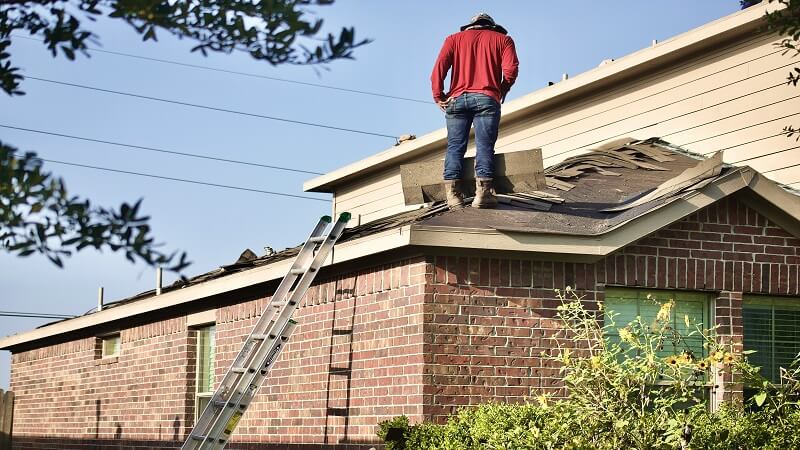
Roof replacement is one of the largest projects a homeowner will ever embark upon.
Incorrectly specifying your garage door can cost you thousands. Adding value to the home correctly can last for years. The good thing is, it’s a three-step process::
- Timeline planning
- Budget setting
- Compliance checks
And once you know how each part works, the entire thing becomes pretty straightforward.
Here’s how to do it…
Here’s what’s covered:
- Why Roof Replacement Planning Matters
- The Realistic Roof Replacement Timeline
- Setting A Smart Roof Replacement Budget
- The Compliance Checklist Every Homeowner Needs
Why Roof Replacement Planning Matters
A roof replacement isn’t just about picking shingles and hiring a crew.
It’s your biggest investment that shelters everything below it. If you don’t plan correctly, expenses increase, timelines get pushed back, and building code violations could leave you with a failed inspection (leading to an even larger expense).
That is why finding the proper roofing solutions for home improvement is so important before you sign on that dotted line. Proper solutions allow you to:
- Choose materials that match your climate
- Avoid surprise structural repairs
- Stay on the right side of local building codes
Roofing materials and repairs cost more than ever before too. Roof repair and replacement prices totaled nearly $31 billion in 2024. That’s 30% higher than it was in 2022. Material costs continue to rise as do labour rates. Tariffs could drive that price tag even higher.
Translation? Planning ahead saves real money.
The Realistic Roof Replacement Timeline
Most homeowners think a roof replacement happens overnight.
Honestly it only takes a few days to get the install done but Lead time for the entire project can take a few weeks to months depending on permit schedule, weather and availability of contractors.
Here’s a realistic timeline breakdown…
Inspection And Quoting (Week 1)
Step one is a thorough roof inspection. The contractor will inspect your existing roof to see:
- Damaged decking
- Soft spots and rot
- Flashing issues
- Ventilation problems
Most quotes come back within 3 to 5 days.
Material Selection And Contracts (Week 2)
Material selection goes beyond colour choice. Asphalt shingles, metal, tile and slate all come with different costs, life expectancies and code restrictions.
After locking the material in place, the contract is signed and a deposit is paid.
Permits And Approvals (Week 2 to 4)
This is the step many homeowners overlook. Permit approval can range from days to months depending on your city. Some cities issue permits in 48 hours. Others take 4-6 weeks.
If you live in an HOA, there’s another set of approvals you need to get through there.
Installation (1 to 5 Days)
Expect the actual roof install to take 1-3 days. The larger the roof or more complex, up to 5 days.
Final Inspection (1 to 2 Weeks After)
The building department comes out for a final inspection. After they approve, your warranty begins.
Setting A Smart Roof Replacement Budget
Now to the part most homeowners stress about… The budget.
Roof replacement is one of those projects that costs a pretty penny. However, roof replacement costs can vary much more than you’d think. On average, homeowners in the U.S. pay anywhere from $9,000 to $30,000 for roof replacement, depending on the roofing material and size of their roof.
So how do you build a realistic budget?
Start with these four cost drivers:
- Roof size: measured in squares (100 sq ft per square)
- Material choice: asphalt is cheapest, slate and metal are premium
- Labour: typically 40 to 60% of the total cost
- Pitch and complexity: steeper roofs and more dormers cost more
Build A Buffer Into Your Budget
Surprises happen.
Dry rotting can expose rotten decking, damaged trusses or old flashing that may need replacement. It’s wise to pad the contractor’s quote by 10 to 15%.
Don’t Forget The Extras
Lots of homeowners miss the small line items that add up fast:
- Permit fees ($100 to $800 depending on location)
- Dumpster and disposal fees
- Upgraded underlayment or ice and water shield
- Ventilation upgrades
- Gutter replacement (if needed)
Cool fact: Some upgrades are self-financing. Improved ventilation & ridge vents reduce energy bills for years.
The Compliance Checklist Every Homeowner Needs
Skipping compliance is the single biggest mistake homeowners make.
Plus it is going to be your most expensive option. An un-permitted roof can void your homeowners insurance, lead to fines and become a huge issue when you go to sell your home in the future.
Check Local Building Codes First
Building codes are always evolving. Recently several states have adopted roofing codes requiring permits and final inspections on every reroof job.
Before any work starts, check with the local building department for:
- Permit requirements
- Wind uplift requirements (especially in hurricane zones)
- Underlayment specifications
- Decking nail patterns
- Ventilation minimums
Confirm Contractor Licensing And Insurance
Only licensed contractors can pull permits in most places. Before signing anything, confirm:
- State and local licensing
- General liability insurance
- Worker’s compensation coverage
- Manufacturer certifications
The last point is a biggie. Manufacturer certifications can sometimes lead to extended warranties of up to 25 to 50 years.
HOA Approvals
If the house is part of an HOA they have to approve the material, color, and sometimes even the contractor.
HOA approval can range from 2 weeks to 12 weeks depending on their board meeting schedule. Submit early!
Final Inspection
The job isn’t done until the building department signs off. The inspector checks:
- Nail patterns and depth
- Flashing installations
- Underlayment and ice shield
- Ventilation
- Drip edge
Without that sign-off, the warranty might not start and insurance claims can get tricky.
Pulling It All Together
Planning a roof replacement comes down to three things… Timeline, budget, and compliance.
Get all three right and the whole project runs smoothly:
- Timeline: plan for 4 to 8 weeks from inspection to final sign-off
- Budget: build in a 10 to 15% buffer for surprises
- Compliance: never skip permits, inspections, or HOA approvals
Finding the right solutions for house improvement doesn’t have to be difficult. Make sure you’re educated and don’t just go with the nicest looking shingle.
Plan ahead, hire a licensed contractor and follow the compliance checklist. Your house (&wallet) will appreciate it.