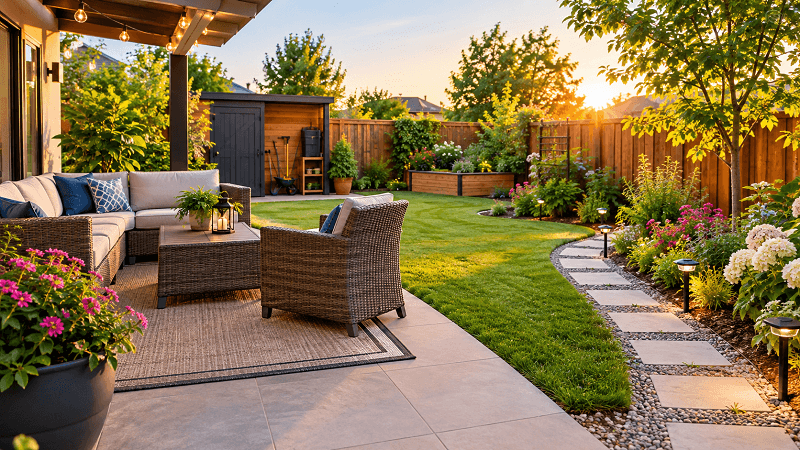
A well-designed yard can become much more than an empty space around your home. With thoughtful planning, the right plants, comfortable furniture, useful storage, and suitable decorative features, almost any outdoor area can become a welcoming place for relaxation, gardening, family activities, or entertaining guests.
The key to creating a successful yard is not necessarily spending a large amount of money. Instead, it is about understanding your available space and making improvements that match the way you actually use it. From small backyard upgrades to complete outdoor transformations, practical planning can help you create a space that is attractive, functional, and easier to maintain.
This guide explores useful decadgarden yard tips by decoratoradvice and explains how to approach an outdoor improvement project step by step.
1. Start by Understanding Your Yard
Before buying plants, furniture, or decorative accessories, take some time to examine the existing yard. Understanding the space will make it easier to create a practical plan.
Begin by measuring the available area and identifying permanent features such as walls, fences, trees, pathways, sheds, patios, and entrances. Also pay attention to areas that receive direct sunlight and those that remain shaded for much of the day.
Drainage is another important consideration. Areas where water regularly collects may require improved drainage before you add plants, furniture, or other features.
Think about how your family currently uses the yard and how you would like to use it in the future. For example, you might want space for outdoor dining, gardening, children’s activities, relaxing, or entertaining visitors.
A clear understanding of these factors provides a useful foundation for the rest of the project.
2. Divide the Yard Into Functional Zones
One effective way to make an outdoor area more useful is to divide it into different zones. Instead of treating the entire yard as one large space, assign specific purposes to different sections.
A seating zone can include chairs, benches, or a small outdoor sofa. Another section could be used for plants and flower beds, while a separate area could provide storage for gardening tools and outdoor equipment.
If you enjoy eating outdoors, consider creating a dining area near the house. A family with children might prefer to keep a larger open section available for games and activities.
Creating zones does not always require walls or expensive construction. Changes in flooring, plant arrangements, furniture placement, lighting, or pathways can visually separate different areas.
3. Choose Plants According to Your Conditions
Plants can dramatically change the appearance of a yard, but selecting them based only on appearance can create unnecessary maintenance problems.
Consider your local climate, sunlight levels, soil conditions, available water, and the amount of time you can dedicate to gardening.
Plants that naturally suit your environment are often easier to maintain than varieties that require special conditions. Before planting, check whether a plant prefers full sun, partial shade, or shaded conditions.
It is also important to consider mature plant size. A small plant may look perfect when purchased but can eventually become too large for its location.
Use a combination of heights and textures to create visual interest. Ground-cover plants, shrubs, flowering plants, and taller trees can work together to produce a more balanced landscape.
4. Improve the Yard With Comfortable Seating
A beautiful yard is more useful when people actually want to spend time there. Comfortable seating should therefore be an important part of your outdoor design.
Choose furniture according to the available space. A small yard may only need two chairs and a compact table, while a larger backyard could accommodate an outdoor sofa, dining table, and additional seating.
Weather resistance is also important. Outdoor furniture is exposed to sunlight, rain, dust, and changing temperatures, so materials should be selected according to local conditions.
Consider adding cushions or outdoor textiles for extra comfort, but make sure they can be stored or protected when the weather changes.
Place seating where it takes advantage of attractive views, shade, or garden features. A simple bench beside a flower bed can create a quiet reading area without taking up much space.
5. Add Shade for Greater Comfort
Shade can significantly improve the usability of an outdoor area, particularly during hot weather.
Depending on your budget and available space, shade can come from trees, umbrellas, pergolas, shade structures, or covered patios.
When planning shade, think about where the sun moves throughout the day. A seating area that is comfortable in the morning may become extremely hot in the afternoon.
Natural shade from trees can provide long-term benefits, while umbrellas and temporary structures offer more flexibility.
The goal is to make outdoor areas comfortable during the times when you are most likely to use them.
6. Make Outdoor Storage Part of the Design
Outdoor clutter can quickly make a yard look untidy. Gardening tools, hoses, toys, cushions, cleaning supplies, and other equipment all need suitable storage.
Instead of leaving these items around the yard, consider incorporating storage into the overall design.
A small garden shed can provide substantial storage in a larger yard. In smaller spaces, benches with hidden compartments, storage boxes, wall-mounted hooks, and compact cabinets can be more practical.
Keep frequently used items somewhere easily accessible. Less frequently used equipment can be stored in a less prominent location.
Good storage is not only about appearance. It can also make gardening and outdoor activities easier because necessary equipment is available when needed.
7. Create Attractive Pathways
Pathways can improve both the appearance and functionality of a yard. They help guide movement between the house, seating areas, garden beds, entrances, and other important sections.
The pathway material should suit the overall style of the property and the expected amount of use. Options can include stone, brick, concrete, gravel, pavers, or other outdoor materials.
A pathway does not always need to be completely straight. Curved paths can create a more natural appearance in garden settings, while straight paths may work well in modern landscapes.
Make sure pathways are wide enough and reasonably level for comfortable use. Good drainage should also be considered so that rainwater does not create muddy or slippery areas.
8. Use Lighting to Extend Outdoor Use
Outdoor lighting can transform a yard after sunset while also improving visibility around important areas.
Start with practical lighting near entrances, pathways, steps, and seating areas. You can then add decorative lighting to highlight plants, trees, walls, or architectural features.
Solar lights can be useful where electrical installation is difficult, while wired lighting may provide more consistent illumination.
Avoid excessive brightness. Outdoor spaces often look more attractive when lighting is used selectively to create layers of illumination rather than flooding the entire yard with strong light.
9. Add Decorative Features Carefully
Decoration gives an outdoor space personality, but too many accessories can make a yard appear crowded.
Choose a few features that complement the overall design. Decorative pots, planters, stones, sculptures, water features, lanterns, and outdoor artwork can all contribute to the appearance of a garden.
Think about scale when selecting decorative elements. A very small accessory may disappear in a large yard, while an oversized feature can overwhelm a compact space.
Use colors and materials that work with the existing house, fence, plants, and outdoor furniture. A consistent visual theme can make the entire yard feel more organized.
10. Focus on Low-Maintenance Improvements
A yard should be enjoyable rather than becoming a constant source of work.
When planning improvements, consider how much maintenance each feature will require. Large lawns, delicate plants, complicated water features, and extensive decorative arrangements can require regular attention.
If you have limited time, choose plants that are relatively easy to maintain and use durable outdoor materials.
Mulching garden beds can help retain moisture and reduce unwanted plant growth. Efficient irrigation can also make watering easier and more consistent.
The best outdoor design is one that you can realistically maintain over time.
11. Make Small Improvements Before Large Changes
You do not need to transform the entire yard at once. In fact, completing smaller projects can help you understand what works before investing in larger improvements.
Start by cleaning and organizing the space. Remove unnecessary items, trim overgrown plants, repair damaged areas, and improve existing pathways.
Next, consider one major improvement, such as creating a seating area or adding a garden bed.
Once that area is complete, observe how you use it. This can help you decide what the yard needs next.
The approach behind decadgarden yard tips by decoratoradvice is especially useful for homeowners who want practical improvements rather than unnecessary changes. A well-planned series of smaller upgrades can eventually create a significant transformation.
12. Consider the Seasons
A good yard should remain useful throughout the year, not only during one season.
Choose plants that provide interest at different times of the year. Evergreen plants can provide structure during colder months, while flowering plants can add seasonal color.
Outdoor furniture and decorative items should also be selected according to your weather conditions. In areas with heavy rain, strong sunlight, or seasonal storms, durable materials can help reduce replacement costs.
You can also design different areas for different seasons. A shaded seating area may be ideal during hot weather, while a sunny corner could be more comfortable during cooler periods.
13. Keep Functionality Ahead of Decoration
Decoration is important, but functionality should come first.
Before adding a decorative feature, ask whether it improves the appearance, comfort, organization, or usability of the space.
For example, a decorative planter that also separates a seating area can serve two purposes. A bench with storage can provide seating while helping reduce clutter. A pathway can improve appearance while making movement around the yard easier.
This practical approach ensures that outdoor improvements provide lasting value instead of simply adding visual elements.
Final Thoughts
Creating a better yard does not have to involve a complete renovation or a large budget. The most effective improvements often come from understanding the space, identifying practical needs, and making thoughtful changes over time.
Start with a clear plan, divide the yard into useful zones, select suitable plants, provide comfortable seating, improve storage, and consider shade and lighting. Then add decorative features that complement the space without making it difficult to maintain.
The most useful decadgarden yard tips by decoratoradvice encourage homeowners to think about how an outdoor area will actually be used. A successful yard should not only look attractive; it should also be comfortable, practical, organized, and suitable for everyday life.
Whether you have a compact backyard, a large garden, or a simple outdoor area, small improvements can make a noticeable difference. By planning carefully and working in manageable stages, you can gradually create an outdoor space that your household will enjoy for years to come.