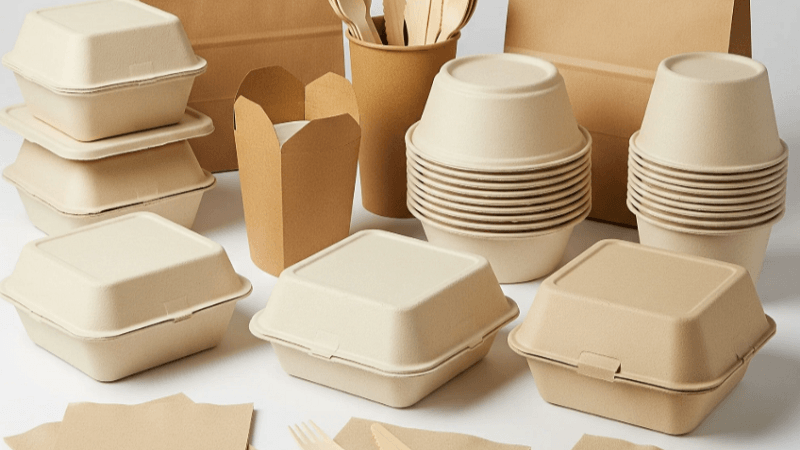
In recent years, there has been a significant shift towards environmentally friendly practices across various industries, including the food sector. One crucial development is the increased use of biodegradable food packaging, which offers a sustainable solution aimed at reducing environmental impact. Businesses are recognising the need to adopt such practices not only to comply with regulations but to meet the growing consumer demand for eco-friendly products.
Understanding Biodegradable Packaging
Biodegradable packaging is designed to break down naturally in the environment, minimising the accumulation of waste. Traditional plastic packaging can take hundreds of years to decompose, whereas biodegradable alternatives break down in a fraction of the time, often within months, depending on the material and environmental conditions.
Benefits of Biodegradable Food Packaging
The advantages of adopting biodegradable food packaging are manifold. Firstly, it contributes significantly to the reduction of pollution. By choosing biodegradable options, businesses can lower their carbon footprint, aligning with global efforts to combat climate change.
Secondly, biodegradable packaging often comes from renewable resources, which are not only sustainable but also reduce reliance on fossil fuels. This shift helps conserve natural resources and supports the development of a circular economy.
Consumer Expectations and Market Demand
Modern consumers are increasingly aware of the impact of their purchases on the environment. The demand for sustainable alternatives drives retailers and food service providers to adopt biodegradable options. By meeting this demand, businesses can enhance their brand image, attract eco-conscious customers, and potentially increase their market share.
Compliance and Industry Standards
Many governments and international bodies are imposing stricter regulations on packaging waste. Biodegradable food packaging offers a compliant solution, allowing businesses to meet legal requirements and avoid penalties. Adhering to these standards demonstrates corporate responsibility and supports long-term business success.
Cost Implications and Economic Benefits
While the initial cost of biodegradable packaging might be higher than conventional plastics, the long-term economic benefits are substantial. Reduced waste management costs, improved brand loyalty, and access to new markets offset the initial investment. Moreover, as technology advances and the production scale increases, the cost of biodegradable packaging continues to decrease.
Challenges in Adopting Biodegradable Packaging
Despite its benefits, there are challenges associated with the adoption of biodegradable packaging. One significant hurdle is the lack of consumer awareness about the proper disposal of these materials. Education campaigns are necessary to ensure consumers dispose of biodegradable packaging correctly, enabling efficient breakdown.
Technological Innovations
Recent innovations in materials science have made biodegradable packaging more efficient and versatile. Researchers are developing advanced materials that enhance the packaging’s strength, durability, and flexibility, meeting the diverse needs of the food industry without sacrificing environmental benefits.
Conclusion
The transition to biodegradable food packaging is not merely a trend but a fundamental shift in the way businesses operate. As awareness of environmental issues increases, industries must adapt to sustainable practices to remain relevant. By embracing biodegradable solutions, businesses help protect the environment and pave the way for a sustainable future.
Investing in biodegradable food packaging options positions businesses as leaders in sustainability, offering both environmental and economic benefits. Ultimately, this approach does not only prepare businesses for future regulatory changes but also aligns them with a growing consumer base keen on sustainable practices.