To transform one residential or commercial yard is among the most rewarding property improvements. Whether your plan is for a terraced garden, building swimming pools, putting concrete patios, or leveling one steep slope, big landscaping projects can increase real house value.
Behind every great outdoor work, however, heavy earthmoving exists. To move tons of soil, pull old tree stumps, and dig long trenches needs massive physical labor. Small garden work only requires a shovel and wheelbarrow, but big renovation becomes too large for hand tools quickly. If you try heavy digging manually, it causes exhaustion, body strain, and endless project delays.
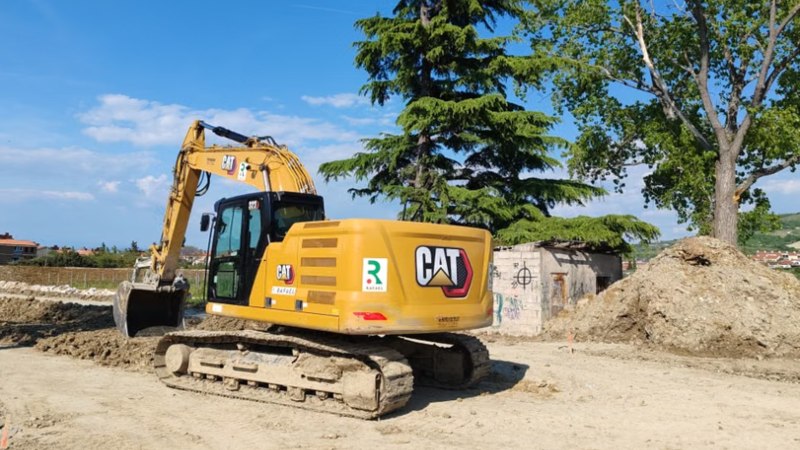
For this reason, compact and heavy machines become necessary. When you rent an excavator, site preparation becomes simple, turning weeks of hard labor into days of steady work, while giving your project a strong foundation base.
Why Heavy Machinery is Essential
Modern landscape work involves much more than only planting grass or flowers. Outdoor spaces today feature retaining walls, underground water sprinklers, outdoor kitchens, fire pits, and deep drainage lines for handling rain runoff. To setup these features, specific depth and clean line digging are needed—things almost impossible for doing efficiently by hand.
Excavators offer speed, control, and heavy power for ground works. By using mechanical force, several major prep tasks can be finished quickly:
- Soil & Material Removal: Quickly digging thick clay, rocky soil, or heavy plant roots for site preparation.
- Precision Trenching: Digging straight and consistent trenches for power lines, water pipes, and drainage systems.
- Grading & Leveling: Reshaping uneven ground so water will not pool near house foundations.
- Heavy Lifting: Moving big boulders, wall blocks, and large trees around without manual lifting danger.
Choosing the Right Machine Size
Not every excavator is suitable for all job sites. You must select the right size depending on space limits, soil type, and required digging depth.
- Mini Excavators (1 to 3 Tons): Very good for residential yards and standard size gardens. Because of their small frame, they can go through narrow garden gates and move inside tight spaces without hitting fences or existing patios. Even with compact size, 5 to 10 feet digging depth is possible—ideal for planting mature trees, digging patio footings, or making irrigation trenches.
- Compact Excavators (3 to 6 Tons): When you must clear thick bushes, pull big stumps, or dig deep foundations for retaining walls and pools, a compact excavator gives the extra hydraulic power needed. They combine extra force together with easy driving on larger suburban lots.
- Mid-Size to Standard Excavators (6+ Tons): For multi-acre developments, major land grading, and deep utility works, standard excavators are needed. Handling heavy bucket loads and deep digs is easy for these machines.
The Financial Advantage of Renting
To buy heavy equipment requires high capital investment, continuous maintenance cost, large storage space, and fast market depreciation. For seasonal projects or short site prep tasks, renting makes much better financial sense.
Through renting, you get access to modern, well-maintained equipment that comes fully serviced and ready for work. Also, it allows choosing the exact size and power required for a specific build phase, instead of forcing one single machine for every job.
Working together with an established equipment provider helps maintain progress without costly breakdowns. Partnering with a dedicated specialist like Sniper Rentals guarantees access to well-serviced excavators and machinery matched for your site conditions. Having reliable equipment with support avoids technical delays and keeps your schedule on time.
Where Excavators Work Best in Outdoor Design
- Retaining Wall Footings: Retaining walls need deep, level trenches filled with crushed stone for holding weight and resisting soil movement. An excavator using a trenching bucket cuts clean vertical sides at exact depths much faster than hand work.
- Drainage Systems & French Drains: Standing water damages landscape design and erodes house foundations. Excavators allow installing sub-surface French drains, catch basins, and drainage swales quickly across long distances.
- Land Clearing & Stump Removal: Old tree stumps and deep roots are very difficult for moving by hand. Excavators use hydraulic power to pull roots out safely, leaving a clear ground surface ready for fresh topsoil.
Safety and Prep Checklist Before Digging
Operating heavy machines needs basic planning and strict safety steps so property damage or injury is avoided. Before starting the machine engine, complete these tasks:
- Locate Utilities: Always call your local utility marking service prior to digging work. Hitting underground gas, electric, or water lines creates dangerous safety risks and expensive repair costs.
- Check Access Routes: Measure gates, side paths, and overhead obstacles (like low tree branches or wires) to make sure the machine can enter the work area safely.
- Assess Ground Conditions: Check for soft dirt, steep slopes, or buried septic tanks that could make the machine tilt. Use ground mats when working on soft or muddy ground.
- Choose the Right Attachments: Rent specific attachments for your machine, such as augers for post holes, grading buckets for smooth finishing, or rippers for hard clay.
Summary
Major outdoor projects do not need to get delayed by hard manual labor. Renting the correct excavator speeds up earthmoving, improves digging precision, and finishes site preparation quickly. Whether you are a commercial contractor managing site overhauls or a homeowner designing a new yard layout, heavy equipment provides the speed and power for getting the job done correctly.