In Tampa, Florida, window treatments do more than finish a room. They can soften intense sunshine, limit afternoon glare, improve privacy in closely spaced neighborhoods, and make everyday living more comfortable. Whether a shade will not raise properly or an older blind no longer fits the room’s needs, professional help to repair window shades Tampa, FL can be a practical first step before replacing everything.
The best choice is rarely one style repeated in every room. A bright west-facing family room, a street-facing bedroom, and a humid bathroom each create different demands for light control, materials, privacy, and upkeep. A room-by-room plan helps Tampa homeowners choose treatments that work with their routines and the Florida climate.
Why Room Needs Matter More Than Trends
A coordinated color palette can make a Tampa home feel connected, but not every window needs identical coverage. The living room may need filtered daylight for relaxing and entertaining. A bedroom may need room-darkening fabric, while a bathroom needs privacy and a finish that withstands moisture. Begin with what happens in the room each day, not simply with a favorite look.
Start With Light and Sun Direction
Watch each window for a few days before deciding. East-facing windows often bring sharp morning light, while west-facing openings can make late afternoons feel especially bright and warm. Notice where sunlight lands on floors, upholstery, televisions, and computer screens. The goal may be soft daylight, glare reduction, a preserved view, or near-total darkness.
Best Options for Living Rooms
For homes comparing window blind repairs near me, it is worth considering whether an existing treatment still matches the room’s use. Roller shades offer a clean profile and straightforward light control. Solar shades can reduce glare while maintaining a partial view of the outdoors, which is useful in living spaces facing patios, pools, or landscaped yards. Drapery adds softness and can provide an extra layer of privacy. Pairing a shade with side panels is often a flexible choice for bright rooms in Tampa.
Best Options for Bedrooms
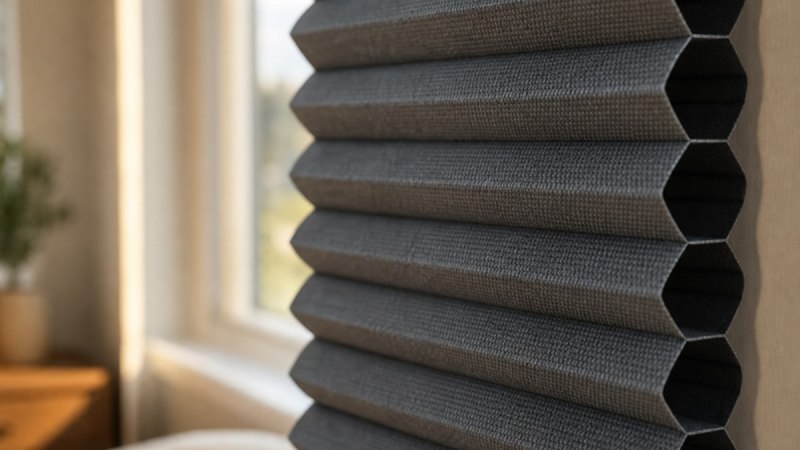
Bedrooms call for an honest assessment of how dark the space needs to be. Light-filtering shades diffuse daylight, while blackout shades and lined drapery are better for daytime sleepers, early sunrise, or outdoor lighting at night. Cellular shades add an insulating air layer near the glass, and top-down, bottom-up designs can admit daylight above eye level while keeping the lower portion private.
- Decide whether soft filtering or room darkening is the priority.
- Check privacy needs for street-facing windows.
- Select materials that are easy to dust.
- Consider cordless operation around children and pets.
Practical Choices for Kitchens and Bathrooms
Cooking residue, humidity, and regular cleaning make durable materials important in kitchens and bathrooms. Simple blinds, faux-wood styles, and moisture-resistant shades are often easier to wipe down than delicate fabrics. In bathrooms, privacy is essential, but a treatment should not make the room gloomy. Also, check that the installation will clear cabinet doors, faucets, window cranks, ventilation, and nearby hardware.
Reducing Glare in Home Offices
Glare can make a monitor difficult to read and cause a room to feel unpleasant during long workdays. Solar shades, light-filtering shades, and adjustable blinds can cut direct light without turning an office into a dark box. Position the desk so the sun does not strike the screen, then test the room in the morning, at midday, and late afternoon. Look for reflections on the monitor and nearby walls before finalizing the fabric or slat direction.
Planning for Large Windows and Glass Doors
Wide patio doors, tall windows, skylights, and hard-to-reach openings need treatments that operate smoothly and stay out of walking paths. Panel-track systems, vertical designs, wide roller shades, and drapery can all work for large glass areas. For a sliding door, make sure the treatment clears the handle and stacks where it will not obstruct daily access. Think about how often the door opens, not just how it looks when closed.
How Window Treatments Affect Heat and Comfort
In Tampa’s long cooling season, shades and drapery can support comfort by reducing harsh sunlight and creating another layer near the glass. Cellular shades, lined drapery, solar fabrics, and layered treatments can all help, but results depend on fit, orientation, material, and consistent use. The glass, frames, coatings, and window design also influence a window’s overall energy performance, so treatments should complement good glazing and properly sealed frames rather than replace them.
Cordless Designs and Window Covering Safety
Exposed cords and continuous loops deserve special attention in homes with young children. Cordless systems provide a cleaner appearance and reduce a serious hazard. The safest option when young children are present is to use cordless options, according to federal safety guidance. Keep cribs, beds, toys, and movable furniture away from cords, and inspect older blinds for dangling pull cords or accessible loops.
When Motorized Window Treatments Make Sense
Motorization is especially useful for tall windows, wide openings, skylights, or areas that are adjusted several times a day. Scheduled operation can close shades before the strong afternoon sun reaches a west-facing room and reopen them when direct glare fades. Battery-powered, plug-in, and hardwired systems each have different planning needs, including charging access, controls, and compatibility with a smart-home setup.
A Simple Measuring and Planning Checklist
- List each window and its main concern, such as heat, glare, privacy, or darkness.
- Measure width, height, depth, trim, and nearby handles or vents.
- Choose inside or outside mounting based on available space and coverage needs.
- Consider daily use, cleaning requirements, safety, and motorization.
- Review samples in the room’s actual daylight before ordering.
Common Questions About Window Treatments
Should every room have the same treatment?
No. Matching colors can create continuity, but the amount of light control and privacy should reflect each room’s purpose.
Are blackout and room-darkening treatments the same?
Not always. Material opacity, side gaps, and mounting style all affect how much light enters the room.
Do solar shades provide nighttime privacy?
Many solar fabrics offer useful daytime privacy, but interior lighting can make them more transparent from outside after dark. Add drapery or another privacy layer when needed.
Final Takeaway
The right window treatment for a Tampa, Florida, home balances sunlight, privacy, heat management, safety, maintenance, and the actual use of each room. By evaluating windows one room at a time, homeowners can create brighter, more comfortable spaces without relying on a single style to solve every problem.