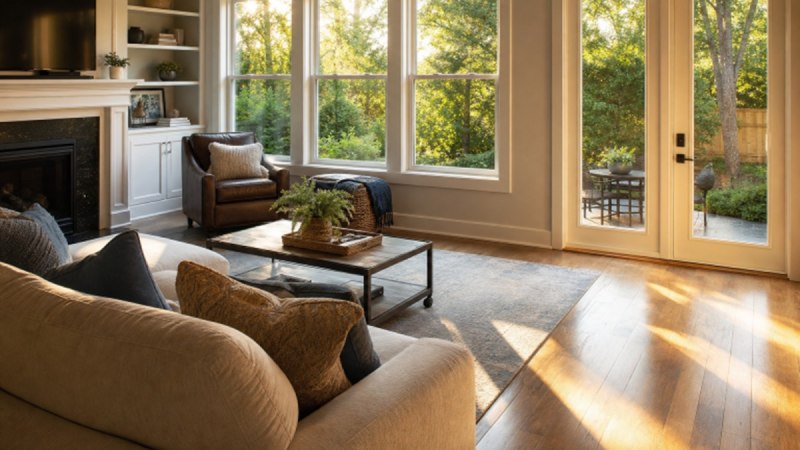
In Atlanta, window and door choices must withstand humid summers, bright afternoon sun, heavy rain, and the occasional cold snap. The right products can make rooms feel less drafty, reduce uncomfortable glare, improve everyday operation, and help protect the home from wind-driven rain. Whether you are renovating a bungalow near Grant Park, updating a suburban family home, or finishing a new build, planning for door installation Atlanta should begin with how each opening will serve the people using it. Appearance matters, but comfort, drainage, security, light, and long-term maintenance matter just as much.
Start With The Home’s Needs
A living room facing the late-day sun has different needs from a quiet bedroom or a humid bathroom. Before shopping, list the problems you want to solve: drafts near the sofa, glare on a television, traffic noise, a sticking patio door, fading floors, or limited fresh air. In Atlanta, note which openings face west and south, since those areas may receive stronger direct sun. Use a simple room-by-room worksheet to identify the room, wall direction, need for ventilation, privacy level, nearby walkways or furniture, and any exposure to rain. This keeps a replacement project focused on real use instead of a showroom display.
Choose The Right Window Style
Window style affects ventilation, cleaning access, sightlines, and the amount of usable wall space. A good design supports the way a room functions without making operation difficult.
- Double-hung windowssuit traditional Atlanta homes and allow ventilation through either sash.
- Sliding windowswork well where an outward-opening sash could interfere with a porch, path, or landscaping.
- Casement windowscan provide a broad opening for airflow and are useful over kitchen counters.
- Picture windowsbring in daylight and preserve views when ventilation is not required.
- Bay and bow windowsadd visual depth and can create a focal point in a living or dining room.
- Garden and geometric windowsfit specialty locations where shape, display space, and function align.
Quick Window Questions
Which style is easiest to clean? The answer depends on the product’s cleaning features and where it is installed.
Which gives the most ventilation? Casement and double-hung options can both provide useful airflow when sized and positioned well.
When is fixed glass best? Choose it where daylight and a view are priorities, but an opening is unnecessary.
Compare Door Types By Use
Doors should be selected based on traffic flow, available floor space, weather exposure, and security. A front entry requires a different approach from a patio opening connecting the kitchen to a deck or backyard.
- Hinged entry doorsare a practical choice where there is adequate swing clearance.
- Sliding patio doorscreate a wide opening without using interior floor space for a door swing.
- Swinging patio doorsoffer a classic look and direct access to outdoor living areas.
- Fiberglass doorsare often chosen for durability and lower maintenance needs.
- Wood-look doorscan add warmth and detail, while their finish should be maintained as recommended by the manufacturer.
Check threshold height, handle placement, lock operation, screen needs, and the direction rain typically reaches the opening. For an exterior door, confirm that the weatherstripping and sill design are part of the proposed system.
Look At Glass And Performance Ratings
Product labels help compare complete window and door units. U-factor describes resistance to heat transfer, while solar heat gain coefficient describes how much solar heat passes through the glazing. Visible transmittance relates to daylight, and air-leakage information can help compare how tightly units are built. For Atlanta homes, low solar heat gain can be especially valuable on sun-exposed walls, but the best package is not identical for every room. Review climate-zone guidance for residential windows and doors, along with the product label and your home’s orientation, before deciding on glass.
Match Materials To Maintenance Goals
Vinyl, wood, fiberglass, and aluminum each involve tradeoffs. Vinyl is commonly selected for low-maintenance ownership. Wood offers a traditional appearance but requires attention to protective finishes. Fiberglass is valued for durability, while aluminum can be appropriate for certain designs but should be evaluated as part of a complete frame system. Ask about the frame construction, hardware, finish care, replacement parts, weather seals, and warranty terms. The lowest upfront price is not always the lowest long-term cost if it leads to more frequent repairs or finishing work.
Plan For Light, Airflow, And Noise Control
Comfort is more than indoor temperature. A bright west-facing den can feel unpleasant when glare is intense, and a bedroom near a busy road may need more attention to glass, seals, and surrounding gaps. Pair fixed units with operable windows where both views and fresh air are important. Shades, curtains, exterior overhangs, and thoughtfully placed landscaping can complement the window package. Homeowners weighing style against ventilation and upkeep can use practical advice to balance window design with everyday performance and narrow their options.
Check Measurements And Installation Details
Even a well-made product can underperform when the opening is measured incorrectly or water management is overlooked. Confirm that the installer will measure at several locations, check for a square, sound opening, inspect the sill area, and explain the approach to flashing, drainage, insulation, and air sealing. Also discuss interior trim, exterior cladding, disposal of old units, cleanup, final adjustments, and who will address hidden damage discovered after removal. These details should be written into the scope of work.
Build A Smart Buying Plan
Create a total budget that includes products, labor, finish work, permits when required, disposal, and possible repairs to surrounding materials. Rank needs in order: weather protection, safety, comfort, maintenance, appearance, and optional upgrades. Compare estimates by the complete scope, not just a single line-item price.
Use A Final Selection Checklist
- Does each product fit the room’s purpose and sun exposure?
- Is the opening correctly sized and easy to operate?
- Do the glass ratings suit Atlanta’s warm, sunny conditions?
- Does the material match your maintenance expectations?
- Are locking, weather sealing, drainage, and finish details included?
- Does the written estimate explain installation and warranty responsibilities?
Conclusion
The best windows and doors do more than refresh a home’s appearance. Atlanta homeowners should prioritize cooler-feeling rooms during sunny weather, reliable protection in rain, practical ventilation, and smooth everyday use. The right choices can also complement the home’s architectural style while addressing concerns such as energy efficiency, noise, security, and long-term maintenance. Homeowners should consider the size and orientation of each opening, the material and glass options, performance ratings, and the condition of the surrounding walls before making a final decision. Professional installation is equally important because even well-rated products may perform poorly when they are not properly fitted, sealed, or flashed. When room needs, performance ratings, materials, and installation details work together, the result is a home that feels brighter, quieter, more comfortable, and easier to maintain for years to come.