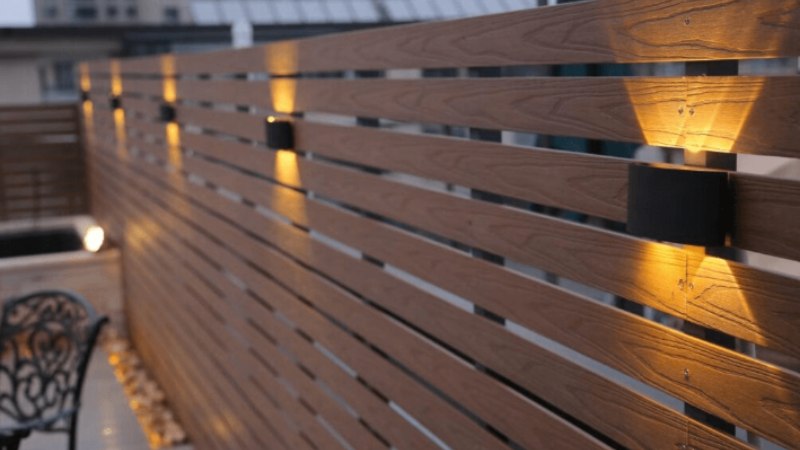
Homeowners today are looking for ways to enhance their outdoor spaces without the constant upkeep that traditional materials demand. Fencing, in particular, plays a major role in defining a property’s boundaries, adding privacy, and improving curb appeal. Among the many options available, composite materials have become a popular choice because they combine the natural look of wood with the durability of modern engineering. This article explores why composite fencing is gaining attention, how it compares to other materials, and what homeowners should consider before making a purchase.
Understanding the Appeal of a Composite Wood Fence
A composite wood fence is made from a blend of wood fibers and recycled plastics, fused together to create panels and boards that resist the common problems associated with natural wood. Unlike traditional wooden fencing, which can warp, crack, or rot over time, manufacturers engineer composite alternatives to withstand moisture, insects, and temperature changes. This makes them a practical choice for homeowners who want the classic appearance of wood without the frequent maintenance, such as staining, sealing, or repainting, that wooden fences typically require.
The growing interest in these products also reflects a broader shift toward sustainable building materials. Manufacturers make many composite fencing options with recycled content, which reduces the demand for freshly cut timber and helps divert plastic waste from landfills.For environmentally conscious homeowners, this combination of style and sustainability makes composite fencing an attractive option.
Durability and Low Maintenance Benefits
One of the strongest selling points of composite fencing is its resistance to the elements. Wood, when exposed to rain, humidity, and sunlight, naturally deteriorates faster than composite materials. Composite panels, on the other hand, are designed to resist fading, splintering, and moisture absorption. This means fences can maintain their appearance for many years without the need for constant refinishing.
Maintenance is often reduced to simple cleaning, typically just soap and water or a gentle rinse with a hose. There is no need to sand down rough patches or repaint faded sections. For busy households, this translates into significant time and cost savings over the life of the fence. Additionally, since composite materials are less appealing to termites and other wood boring insects, homeowners can avoid the pest related issues that sometimes affect traditional wooden structures.
Aesthetic Versatility for Every Home Style
Composite fencing is no longer limited to a single look. Manufacturers now offer a wide range of colors, textures, and finishes that mimic the grain and warmth of natural wood while offering the practical benefits of engineered materials.Whether homeowners prefer a rustic cedar tone, a modern gray finish, or a deep espresso shade, manufacturers offer composite options to match nearly any exterior design scheme.
This versatility extends beyond color. Homeowners can install composite panels horizontally or vertically, pair them with metal or aluminum framing, or combine them with lattice tops for a more decorative finish.Because the material holds its shape well and does not warp like natural wood, fences maintain clean lines and consistent spacing, giving properties a polished, well kept appearance year after year.
Composite Decking, A Complementary Outdoor Upgrade
While fencing is an important part of outdoor design, many homeowners are also exploring composite decking as a way to extend their living space outdoors. Wood plastic composite, commonly known as WPC, decking has become especially popular because it offers the same blend of durability and low maintenance that composite fencing provides. WPC decking is resistant to moisture damage, insect infestation, and surface splintering, making it a comfortable and safe option for families with children or pets.
For those researching quality WPC composite decking, working with an established manufacturer can make a significant difference in product performance and longevity. Kreco Composites is one such manufacturer, offering a range of composite decking and fencing solutions designed with both durability and aesthetics in mind. Homeowners interested in exploring these options can visit their website at https://www.krecocomposites.com/ to learn more about available products, finishes, and installation guidance. Pairing composite decking with a matching composite fence creates a cohesive outdoor design, giving properties a unified and well planned appearance.
Environmental Considerations
Sustainability continues to be a driving factor behind the popularity of composite building materials. Traditional wood fencing, while renewable in theory, often requires ongoing chemical treatments to resist decay and pests, which can introduce harmful substances into the surrounding soil and water. Composite alternatives typically avoid this issue, since their construction does not rely on the same chemical preservatives.
Additionally, manufacturers use reclaimed wood fibers and recycled plastic to produce many composite products, which reduces tree harvesting and keeps plastic waste out of landfills and oceans.For homeowners who prioritize environmentally responsible choices, this makes composite fencing and decking a meaningful way to reduce their household’s environmental footprint while still enjoying a beautiful outdoor space.
Cost Considerations and Long Term Value
While the upfront cost of composite fencing can be higher than basic wood fencing, the long term value often outweighs the initial investment. Because composite materials do not require frequent repairs, repainting, or replacement due to rot or pest damage, homeowners typically save money over the years. When factoring in the reduced maintenance costs and extended lifespan, composite fencing frequently proves to be the more economical choice over a ten to twenty year period.
It is also worth noting that composite fencing can positively impact property value. Potential buyers often view durable, low maintenance features as attractive selling points, since they represent fewer future expenses and less hassle for new owners.
Conclusion
Choosing the right fencing material is an important decision that affects both the appearance and functionality of a property for years to come. A composite wood fence offers a compelling combination of durability, low maintenance, and aesthetic flexibility, making it a smart choice for homeowners who want long lasting results without constant upkeep. When paired with complementary products like WPC composite decking, homeowners can create a cohesive, attractive, and environmentally conscious outdoor living space that stands the test of time.