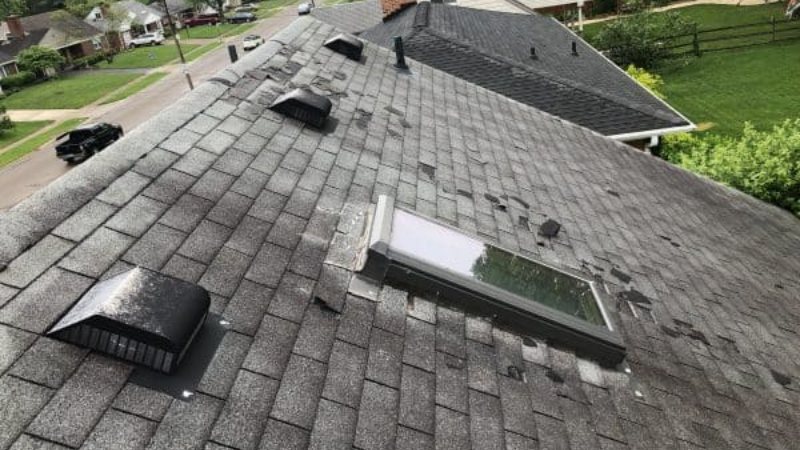
Severe weather can damage a home in minutes. High winds can lift shingles, hail can weaken roofing materials, and falling branches can create openings that allow water into the attic and living areas.
Homeowners do not need to call an emergency storm damage contractor in Hamilton, Ohio after every thunderstorm. However, immediate professional help is necessary when damage threatens the safety, structure, or weather protection of the property.
The key is knowing the difference between damage that can wait for a scheduled inspection and damage that requires emergency stabilization.
What Does an Emergency Storm Damage Contractor Do?
An emergency storm damage contractor in Hamilton responds to urgent property damage caused by wind, hail, heavy rain, fallen trees, and other severe weather.
The contractor’s first priority is not always to complete the permanent repair immediately. The initial goal is often to make the property safe and prevent further damage.
Emergency storm restoration services may include:
- Inspecting the roof and exterior for immediate hazards
- Installing an emergency tarp over damaged roofing
- Covering broken windows or exposed wall openings
- Removing unstable debris
- Identifying active water-entry points
- Documenting visible damage
- Recommending the next steps for permanent repairs
A qualified contractor should clearly explain what requires immediate attention, what can be temporarily stabilized, and what should be repaired after the full scope of damage is evaluated.
When Should You Call an Emergency Storm Damage Contractor?
Homeowners should contact an emergency contractor when storm damage creates an active safety risk or leaves the home exposed to additional damage.
The following situations generally require prompt professional attention.
1. Water Is Actively Entering the Home
An active roof leak is one of the clearest reasons to call an emergency storm damage contractor.
Water may enter through missing shingles, damaged flashing, punctured roof decking, damaged vents, or openings created by falling debris. Even a small opening can allow a significant amount of water into the attic during a prolonged storm.
Signs of active water intrusion include:
- Water dripping from ceilings
- New ceiling stains
- Wet attic insulation
- Moisture around light fixtures
- Bubbling paint or drywall
- Water running down interior walls
Homeowners should avoid entering an attic during severe weather or walking on a wet roof. Instead, move valuables away from the affected area, place containers beneath safe-to-reach drips, and contact a contractor for emergency stabilization.
Water damage becomes more expensive as it spreads. Prompt tarping or temporary sealing can protect insulation, drywall, flooring, electrical systems, and personal property.
2. Shingles or Roofing Materials Have Blown Off
Hamilton and the surrounding region regularly experience strong wind events capable of lifting or removing roofing materials.
A few displaced shingles may not look serious from the ground, but the exposed sections can leave the roof vulnerable to rain. Wind damage can also break the seal between shingles without completely removing them.
Call an emergency contractor when:
- Large sections of shingles are missing
- Underlayment or roof decking is visible
- Roofing materials are scattered across the yard
- Ridge caps have blown off
- Metal roofing panels are loose
- Flat-roof membrane has lifted or torn
A roof does not need to collapse to qualify as an emergency. If the weather-resistant surface has been compromised and more rain is expected, temporary protection should be installed as soon as conditions allow.
3. A Tree or Large Branch Has Hit the Roof
Any direct impact from a tree or heavy branch warrants immediate professional evaluation.
The visible damage may include broken shingles or gutters, but the impact can also affect roof decking, rafters, trusses, fascia, soffits, or exterior walls.
Homeowners should not attempt to remove a large tree from the roof. Shifting the weight can cause additional structural movement or create a serious safety hazard.
The appropriate response may involve coordination between:
- An emergency storm damage contractor
- A professional tree removal company
- A structural engineer
- Utility providers
- The homeowner’s insurance carrier
The area beneath the impact should remain unoccupied until the structure has been evaluated.
4. The Roofline Appears Sagged or Uneven
A sagging roofline can indicate structural damage. This condition requires immediate attention, especially after a tree impact, heavy rain, or strong winds.
Warning signs include:
- A visible dip in the roof
- Cracked or separated rafters
- Ceiling movement
- New wall or ceiling cracks
- Doors that suddenly will not close properly
- Popping or shifting sounds
- Sections of the roof that appear pushed inward
Residents should leave the affected area and avoid placing additional weight on the structure. A contractor can evaluate the visible damage and determine whether a structural specialist is needed.
5. Windows, Siding, or Exterior Walls Are Open to the Weather
Storm damage is not limited to the roof.
High winds and airborne debris can break windows, tear off siding, damage exterior sheathing, or create openings in walls. These openings allow rain, insects, and debris to enter the home.
Emergency board-up or temporary covering is appropriate when:
- A window is completely broken
- Exterior sheathing is exposed
- Siding has been removed from a large section
- Wind-driven rain is entering through a wall
- A door or garage door no longer closes securely
Temporary protection reduces additional moisture damage and helps secure the property until permanent materials are available.
6. Electrical Components Have Been Exposed to Water
Water near electrical fixtures, outlets, wiring, or the main electrical panel requires immediate caution.
Do not touch wet electrical components or walk through standing water near an electrical source. Contact emergency services or the utility provider when there is an immediate electrical hazard.
An emergency storm damage contractor can help identify and stabilize the building-related source of the water, but electrical repairs should be completed by a licensed electrician.
Common warning signs include:
- Water around ceiling lights
- Sparking outlets
- Burning smells
- Flickering lights after storm damage
- A damaged exterior service mast
- Water near the electrical panel
Safety takes priority over property protection.
7. Gutters, Fascia, or Soffits Are Hanging Loose
Loose exterior materials can fall from the home or cause additional damage during continued wind.
A hanging gutter may pull away fascia boards, damage siding, or create a hazard near walkways and entrances. Loose soffit panels can expose the attic to moisture, pests, and wind-driven debris.
Homeowners should keep people away from the affected area and avoid attempting repairs from a ladder during or immediately after severe weather.
8. The Home Is No Longer Secure
Storm damage can create security concerns when doors, windows, garage doors, or exterior walls no longer close properly.
An emergency contractor can provide temporary board-up or enclosure services to help protect the property.
This is particularly important when the homeowner must leave the property because of structural, electrical, or water-related hazards.
What Storm Damage Can Usually Wait for a Scheduled Inspection?
Not every storm-related concern requires an emergency response.
A standard inspection is often appropriate when:
- There is no active water leak
- The roof is still fully covered
- Damage is cosmetic
- A few shingles appear creased but remain in place
- Gutters are dented but securely attached
- Siding is marked but not missing
- The home remains safe and weather-tight
These concerns still deserve professional attention. Delayed damage can lead to roof leaks or premature material failure. However, the inspection can usually be scheduled during normal business hours when the property is secure and no additional damage is occurring.
Why Storm Damage Is Easy to Miss
Some of the most serious storm damage is not obvious from the ground.
Hail can bruise asphalt shingles without creating a visible hole. Wind can loosen shingles while leaving them in place. Flashing around chimneys, walls, and vents can shift enough to allow water entry during the next rain.
Homeowners should request an inspection after a severe storm when nearby properties have visible damage, large hail was reported, tree debris is present, or roofing materials are found in the yard.
A professional roof inspection provides a clearer understanding of the roof’s condition without requiring the homeowner to climb a ladder or walk on potentially damaged materials.
What Should You Do Immediately After Storm Damage?
The steps taken during the first few hours can protect both the property and the people inside it.
1. Put Safety First
Stay away from fallen power lines, standing water near electrical systems, unstable trees, damaged ceilings, and visibly compromised structures.
Call emergency services when there is a fire, electrical danger, gas odor, medical emergency, or immediate risk of collapse.
2. Inspect the Property From a Safe Location
Look for visible damage from the ground. Do not climb onto the roof.
Check for missing shingles, fallen branches, damaged siding, broken windows, hanging gutters, and water entering the home.
3. Prevent Interior Damage When Safe
Move furniture, electronics, and valuables away from active leaks. Use containers to collect dripping water when the area is safe.
Do not cut into a bulging ceiling without professional guidance. A water-filled ceiling can release a large amount of water and damaged material.
4. Document the Damage
Take photographs and videos of visible exterior and interior damage.
Document water stains, damaged belongings, fallen debris, missing materials, and temporary measures. Clear documentation can support conversations with contractors and the insurance carrier.
5. Contact a Local Storm Damage Contractor
Explain what happened, whether water is entering the home, and whether any part of the structure appears unstable.
A reputable contractor should prioritize safety, provide clear communication, and distinguish temporary emergency work from permanent repairs.
6. Notify the Insurance Company
Report the loss promptly and ask what documentation is required.
The contractor can provide inspection findings, photographs, measurements, and repair estimates. The insurance company determines coverage based on the policy and claim evaluation.
How to Choose an Emergency Storm Damage Contractor in Hamilton
Storm damage often brings aggressive sales activity into affected neighborhoods. Homeowners should not allow urgency to override basic contractor screening.
Look for a contractor that:
- Has a verifiable local presence
- Carries appropriate insurance
- Provides written estimates and agreements
- Explains emergency work separately from permanent repairs
- Documents damage thoroughly
- Communicates clearly about scheduling
- Does not pressure the homeowner to sign immediately
- Has experience with roofing, siding, gutters, and exterior restoration
- Follows manufacturer and building requirements
- Maintains a clean and organized job site
Avoid contractors who demand full payment upfront, refuse to provide written documentation, offer to manipulate insurance paperwork, or cannot verify their business information.
A trustworthy contractor helps homeowners understand the process without using fear or pressure.
Emergency Repairs Versus Permanent Storm Restoration
Emergency work and permanent repairs serve different purposes.
| Emergency Storm Service | Permanent Storm Restoration |
| Stops active water entry | Restores the complete roofing or exterior system |
| Covers exposed areas | Replaces damaged materials |
| Reduces immediate hazards | Addresses code and manufacturer requirements |
| May be temporary | Designed for long-term performance |
| Completed as soon as conditions are safe | Scheduled after inspection, estimating, and approvals |
Temporary tarps and coverings should not be treated as permanent solutions. They require follow-up inspections and timely replacement with properly installed materials.
What Hamilton Homeowners Should Know About Insurance Claims
Homeowners are responsible for protecting the property from additional damage when it is safe to do so. Emergency tarping, board-up services, and water mitigation may help limit the scope of the loss.
Keep copies of:
- Contractor reports
- Photographs and videos
- Receipts for emergency services
- Insurance correspondence
- Estimates
- Invoices
- Lists of damaged personal property
Contractors can document construction damage and explain repair requirements. They should not guarantee insurance coverage or make claim decisions on behalf of the insurer.
Clear records and honest communication create a more organized restoration process.
Frequently Asked Questions
Is a roof leak after a storm always an emergency?
An active roof leak should be addressed promptly. Emergency service is appropriate when water is currently entering the home or the roof is visibly open to additional rain.
Should I climb onto my roof to check for storm damage?
No. Storm-damaged roofs can be wet, unstable, or covered with loose materials. Inspect the property from the ground and contact a qualified roofing contractor.
Can a contractor tarp a roof during a storm?
Contractors must wait until conditions are safe. High winds, lightning, heavy rain, and wet roofing surfaces can make roof access dangerous.
What happens if I wait to repair storm damage?
Openings and weakened materials can allow water to spread into decking, insulation, ceilings, walls, and electrical systems. Delays can increase the scope and cost of repairs.
Does hail damage always cause an immediate leak?
No. Hail can weaken shingles without creating an immediate opening. The damage may reduce the roof’s service life or contribute to leaks later.
Should I call my insurance company or a contractor first?
Contact both promptly. A contractor can evaluate and stabilize the property, while the insurance company can explain the claim process and policy requirements.
How can I tell whether a storm contractor is legitimate?
Verify the company’s local presence, insurance, written agreement, business history, and customer feedback. Avoid high-pressure sales tactics and vague verbal promises.
Can emergency repairs begin before the insurance inspection?
Necessary temporary work may be completed to prevent additional damage. Document the condition before and after the emergency work, retain receipts, and communicate with the insurance carrier.
Final Thoughts
Homeowners should engage an emergency storm damage contractor in Hamilton, Ohio when the property is unsafe, actively leaking, structurally compromised, or exposed to further weather damage.
Fast action does not mean making rushed decisions. The right contractor will focus first on safety and stabilization, then provide a clear path toward inspection, documentation, and permanent restoration.
After severe wind, hail, or tree damage, schedule a professional assessment and get honest guidance about what needs immediate attention. A timely response can protect the home, reduce additional damage, and make the recovery process easier to manage.