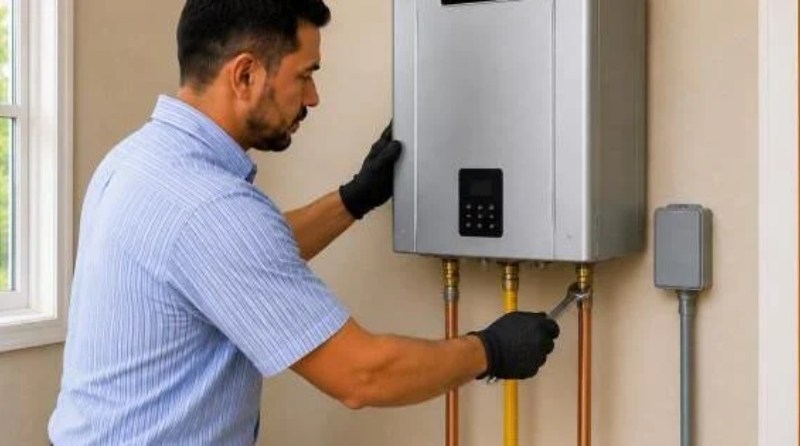
Replacing a water heater is often a project that begins unexpectedly, especially when an existing unit starts showing signs of age or reduced performance. As homeowners begin comparing options, many quickly realize that the hot water system installation cost is influenced by far more than the price of the unit itself. Installation requirements, property layout, energy source, and long-term efficiency all play important roles in determining the overall investment. Understanding these factors helps homeowners compare quotes with greater confidence and make well-informed decisions.
Every Property Has Different Installation Requirements
One of the first things homeowners discover is that no two installations are exactly alike.
Several property-specific factors can influence the complexity of the work, including:
- Existing plumbing configuration
- Available installation space
- Electrical or gas connections
- Ventilation requirements
- Ease of system access
- Local building regulations
Because each home is different, installers often conduct an assessment before providing an accurate quotation.
The Lowest Quote Isn’t Always the Best Value
When comparing multiple estimates, it’s natural to focus on the final price. However, experienced homeowners often look beyond the initial figure.
A comprehensive quote may include:
- Equipment supply
- Professional installation
- Removal of the old unit
- Necessary plumbing modifications
- Safety testing
- Warranty information
Comparing what is actually included helps ensure homeowners are evaluating overall value rather than simply selecting the lowest price.
Choosing the Right System Requires Careful Consideration
Receiving replacement quotes often introduces homeowners to a wider variety of water heating technologies than they initially expected.
Depending on the property and household requirements, available options may include:
- Electric storage systems
- Gas water heaters
- Continuous flow units
- Heat pump systems
- Solar-assisted water heating
Each solution offers different advantages, making it worthwhile to discuss the available options with a qualified installer before making a final decision.
Household Size Affects System Selection
An important part of the quotation process involves understanding how much hot water the household actually uses.
Installers typically consider factors such as:
- Number of occupants
- Bathrooms in the home
- Daily shower routines
- Laundry frequency
- Kitchen usage
- Peak hot water demand
Selecting a system that closely matches household consumption helps improve efficiency while ensuring an adequate hot water supply.
Installation May Involve More Than Replacing the Unit
Many homeowners assume that replacing a water heater is simply a matter of removing the old system and installing a new one.
In reality, additional work may sometimes be required, including:
- Updating plumbing connections
- Replacing valves
- Modifying pipework
- Upgrading electrical wiring where applicable
- Improving drainage
- Adjusting installation locations
These additional requirements can influence both installation time and overall project cost.
Energy Efficiency Becomes Part of the Conversation
As energy prices continue to receive attention, many installers discuss operating efficiency alongside installation costs.
Homeowners increasingly ask questions such as:
- How much energy will the new system use?
- What are the estimated running costs?
- Will a more efficient system reduce long-term expenses?
- How does the equipment compare with newer technologies?
Looking beyond the initial investment allows homeowners to consider total ownership costs over the system’s expected lifespan.
Warranties and After-Sales Support Matter
A replacement water heater is a long-term investment, making warranty coverage an important consideration.
During the quotation process, homeowners often compare:
- Manufacturer warranties
- Installation guarantees
- Service availability
- Maintenance recommendations
- Replacement part accessibility
Understanding these details provides additional confidence when choosing between competing products and installers.
Planning Ahead Can Reduce Stress
Many water heater replacements occur unexpectedly after a system fails.
However, homeowners who replace aging equipment before an emergency often benefit from:
- More time to compare quotes
- Greater product selection
- Flexible installation scheduling
- Better financial planning
- Reduced disruption to household routines
Planning ahead allows for more informed decision-making rather than rushing to restore hot water.
Professional Advice Helps Clarify the Options
Water heating systems involve technical considerations that are not always obvious to homeowners.
A qualified installer can explain:
- System sizing recommendations
- Installation requirements
- Energy efficiency considerations
- Maintenance expectations
- Future operating costs
Professional guidance helps homeowners understand which solution best suits both their property and lifestyle.
Looking Beyond Today’s Needs
Many people use the replacement process as an opportunity to think about the future.
Considerations may include:
- Family growth
- Planned renovations
- Solar energy installation
- Smart home integration
- Long-term energy efficiency goals
Choosing a system that can accommodate future changes may reduce the need for additional upgrades later.
Final Thoughts
Getting quotes for a hot water system replacement often reveals that the project involves much more than selecting a new appliance. Installation complexity, household water usage, energy efficiency, warranty coverage, and long-term operating costs all contribute to choosing the right solution.
By comparing detailed quotations, asking informed questions, and working with qualified professionals, homeowners can make confident decisions that balance upfront investment with long-term performance. Taking the time to understand the full scope of the replacement process helps ensure the new hot water system delivers reliable comfort, efficiency, and value for many years to come.