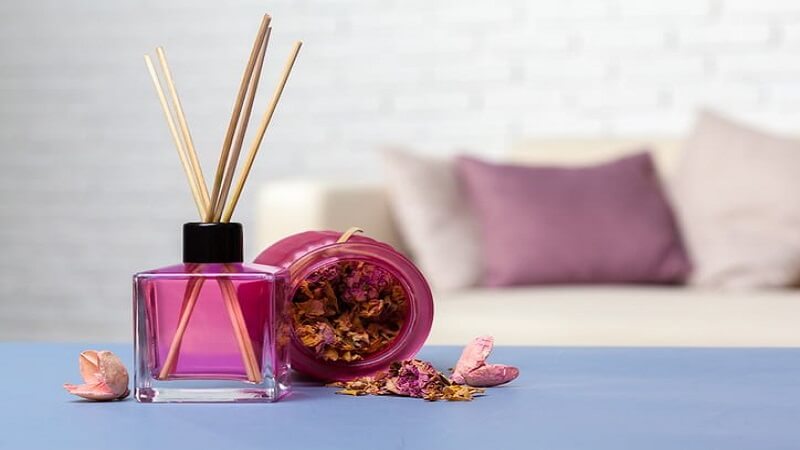
Many people searching for diffuser oil vs essential oil are actually looking for the best way to create a naturally scented home.
While diffuser oils may contain fragrance oils or blended ingredients, pure essential oils are extracted directly from plants and have become a popular choice for home fragrance.
Their authentic botanical aroma, versatility, and ability to create different moods have transformed them from traditional plant extracts into an essential part of modern homes.
But how did essential oils become so closely connected with home fragrance? Let’s explore their journey.
Home Fragrance Has Always Been Part of Everyday Living
Long before commercial room sprays and plug-in air fresheners existed, people used natural ingredients to scent their homes. Every culture developed its own traditions using locally available plants and aromatic materials.
Ancient Egyptians burned resins such as frankincense and myrrh during ceremonies and in homes. Greeks and Romans scented living spaces with rosemary, thyme, and lavender. Across India, sandalwood, jasmine, rose, vetiver, and holy basil became closely connected with homes, temples, and daily rituals. In many parts of Europe, dried lavender bundles were stored inside wardrobes to keep clothing fresh while herbs were hung near windows and kitchens for their pleasant aroma.
Even simple household practices reflected this desire for natural fragrance. Citrus peels were simmered with spices, fresh flowers decorated living rooms, and dried herbs were placed inside linen cabinets. These methods did not simply cover unpleasant smells. They created an atmosphere that felt warm, welcoming, and lived in.
Although modern fragrance products changed how homes were scented, the underlying goal never changed. People have always wanted living spaces that feel inviting and comfortable.
The Rise of Synthetic Fragrances Changed Consumer Habits
The twentieth century transformed the home fragrance industry. Advances in chemistry allowed manufacturers to create fragrance oils that could reproduce almost any scent imaginable. Aerosol sprays, scented gels, plug-in air fresheners, fragrance beads, and automatic dispensers quickly became common household products because they were inexpensive, convenient, and available almost everywhere.
For many years, convenience mattered more than ingredients.
Consumers wanted products that worked instantly and lasted for hours. Artificial fragrances successfully met those expectations, which is why they dominated the market for decades.
However, as people became more interested in ingredient transparency and healthier lifestyles, buying habits slowly changed. Many homeowners started reading product labels more carefully and looking for alternatives made from recognizable ingredients. This growing awareness created an opportunity for botanical fragrances, including essential oils.
Why Essential Oils Arrived at the Right Time
Essential oils did not suddenly become popular because they were new. They became popular because consumer priorities changed.
People started paying closer attention to the products they used every day. Food labels became more important. Natural skincare gained popularity. Plant-based cleaning products entered the market. The same movement eventually reached home fragrance.
Instead of asking, “Which air freshener smells strongest?” many people began asking different questions.
- What ingredients create this fragrance?
- Does it smell natural?
- Can I customize the scent?
- Will it suit different rooms?
- Can one product serve multiple purposes?
Essential oils answered all of those questions.
Unlike many synthetic fragrance products that offer a fixed scent profile, essential oils allow complete flexibility. A few drops of lemon create a fresh kitchen. Lavender helps make a bedroom feel peaceful. Cedarwood adds warmth to a living room, while eucalyptus gives bathrooms a crisp, clean aroma. This ability to personalize fragrance made essential oils far more than another home fragrance product. They became a creative way to shape the atmosphere of an entire home.
The Appeal of Authentic Botanical Aromas
One reason essential oils stand out is the way they smell.
Every plant naturally produces aromatic compounds that help protect it from insects, attract pollinators, or respond to environmental conditions. When these compounds are extracted through steam distillation or cold pressing, they retain much of the plant’s original fragrance.
That is why a pure lemon essential oil smells noticeably different from an artificial lemon fragrance. It contains fresh, bright, and slightly sweet citrus notes that continue evolving after diffusion. Lavender carries soft floral notes mixed with subtle herbal undertones. Cedarwood combines dry woody notes with a gentle earthy character.
Perfumers often describe fragrance using top notes, middle notes, and base notes.
Top notes create the first impression. Citrus oils like bergamot, grapefruit, and lemon belong in this category.
Middle notes form the heart of the fragrance. Lavender, geranium, rosemary, and clary sage provide balance.
Base notes remain the longest. Sandalwood, cedarwood, frankincense, patchouli, and vetiver add depth and warmth.
This natural complexity gives essential oils a fragrance profile that changes gradually instead of remaining flat from beginning to end. Many people describe the experience as softer, richer, and more realistic than conventional air fresheners.
Home Fragrance Became About Creating an Experience
Perhaps the biggest reason essential oils became part of home fragrance is that our expectations changed.
Years ago, fragrance products mainly existed to eliminate cooking smells, smoke, or pet odors. Today, home fragrance serves a completely different purpose.
People want a calming bedroom after a stressful day.
They want a refreshing kitchen while preparing meals.
They want a welcoming entrance when friends visit.
They want a focused workspace during office hours.
In other words, fragrance has become part of interior design.
Just as furniture, lighting, textures, and colors influence how a room feels, scent now plays an equally important role in creating atmosphere. Essential oils fit naturally into this new approach because they allow homeowners to match fragrances with different moods, seasons, and spaces instead of relying on a single artificial scent throughout the house.
Wellness and Aromatherapy Helped Essential Oils Become Mainstream
Another reason essential oils became closely associated with home fragrance is the growing interest in wellness. Over the past decade, many people have started treating their homes as places to unwind rather than simply places to live. Bedrooms became sleep sanctuaries, bathrooms turned into spa-like spaces, and even home offices were designed to feel less stressful.
As this lifestyle evolved, fragrance became part of the experience.
Essential oils were already well known in aromatherapy, where different plant aromas are used to promote relaxation or create an uplifting atmosphere. While essential oils should not be viewed as medical treatments, many people enjoy using certain scents because they help create a calming environment.
For example, lavender is commonly chosen before bedtime because its gentle floral aroma encourages a peaceful atmosphere. Citrus oils such as sweet orange, bergamot, and grapefruit make living spaces feel brighter and more energetic. Peppermint and rosemary are often used in workspaces because their crisp scent feels refreshing during long hours of concentration.
Whether someone believes in aromatherapy or simply enjoys natural fragrances, essential oils became part of home fragrance because they offered more than a pleasant smell. They helped create a mood.
Diffusers Changed Everything
If there is one product responsible for making essential oils popular in homes, it is the diffuser.
Years ago, enjoying essential oils often meant using candle burners or traditional oil warmers. They worked, but they required constant attention and were not always practical for daily use.
Modern diffusers solved those problems.
An ultrasonic diffuser uses water and ultrasonic vibrations to create a cool mist that carries tiny aromatic particles throughout a room. It is easy to use, safe for everyday fragrance, and suitable for bedrooms, living rooms, and offices.
Reed diffusers offer another simple solution. Natural reeds absorb scented liquid and slowly release fragrance into the air without electricity or heat. Many premium home fragrance brands use this format because it provides continuous fragrance while blending seamlessly into home décor.
For people who prefer a stronger scent, nebulizing diffusers disperse pure essential oil without adding water. They produce a richer aroma because the oil remains undiluted.
Even ceramic stones, lava rock diffusers, and car diffusers have expanded the ways people use essential oils beyond the living room.
The availability of these products transformed essential oils from a niche wellness item into an everyday household essential.
Homeowners Wanted More Personalization
Traditional air fresheners usually offer one fragrance chosen by the manufacturer.
Essential oils changed that completely.
Instead of purchasing a single scent, people could create their own fragrance blends based on personal preference, season, or occasion.
I enjoy experimenting with different combinations depending on the time of year.
During summer, I usually blend lemon, grapefruit, and peppermint because they make the house feel cool and refreshing.
When winter arrives, cedarwood, frankincense, and sweet orange create a warmer atmosphere that feels cozy without becoming overly sweet.
Guests often notice the fragrance immediately, but they rarely ask which brand it is. Instead, they ask what blend I’m using. That is one of the biggest advantages of essential oils. Every home can develop its own unique fragrance identity.
Essential Oils Expanded Beyond Diffusers
Although diffusers introduced many people to essential oils, they quickly became part of almost every category of home fragrance.
Today, essential oils are commonly found in:
- Soy candles
- Beeswax candles
- Reed diffusers
- Wax melts
- Room sprays
- Linen sprays
- Pillow mists
- Potpourri
- Drawer sachets
- Closet fresheners
- Natural cleaning products
- Homemade air fresheners
This versatility is one of the reasons they became so popular.
A single bottle of lavender essential oil can scent a diffuser, refresh bed linen, enhance homemade candles, and even add fragrance to wool dryer balls.
Instead of purchasing multiple scented products, homeowners can use one essential oil in several ways.
Fragrance Layering Creates a More Sophisticated Home
Luxury hotels rarely rely on one overpowering fragrance throughout the building. Instead, they create subtle scent transitions between different spaces.
The same concept works beautifully at home.
Rather than using identical fragrances everywhere, essential oils allow gentle layering.
A citrus blend in the kitchen creates freshness.
Lavender and chamomile make the bedroom feel peaceful.
Eucalyptus adds cleanliness to the bathroom.
Cedarwood welcomes visitors in the entrance hallway.
Because each room has its own fragrance character, moving through the house becomes a richer sensory experience.
This approach also reduces scent fatigue, which happens when the nose becomes accustomed to one strong aroma and gradually stops noticing it.
Consumers Began Looking for Cleaner Labels
Another important reason essential oils became part of home fragrance is ingredient awareness.
People today often read labels before buying food, cosmetics, and household products. The same habit has influenced fragrance shopping.
Many homeowners want to know where a fragrance comes from and how it is produced.
Essential oils provide that transparency.
A quality bottle usually includes the botanical name, extraction method, plant origin, and sometimes even the harvest region.
For example:
- Lavandula angustifolia for true lavender
- Citrus limon for lemon
- Eucalyptus globulus for eucalyptus
- Cedrus atlantica for Atlas cedarwood
Knowing the exact plant source gives buyers greater confidence in the product they are using.
Nature Became a Design Trend
Interior design has increasingly moved toward natural materials such as wood, stone, linen, cotton, bamboo, and indoor plants.
Home fragrance followed the same direction.
Essential oils fit naturally into homes designed around simplicity, sustainability, and nature-inspired living.
Instead of relying on heavy perfume-like fragrances, many homeowners now prefer botanical aromas that complement their interiors rather than dominate them.
This explains why earthy scents such as sandalwood, cedarwood, vetiver, and patchouli have become increasingly popular alongside fresh citrus and floral oils.
The fragrance feels connected to the space instead of competing with it.
Essential Oils Support Seasonal Living
One aspect I particularly enjoy is changing fragrances with the seasons.
Spring feels brighter with lavender, geranium, and lemon blossom.
Summer works well with grapefruit, lime, peppermint, and lemongrass.
Autumn naturally suits sweet orange, cinnamon leaf, clove, and cedarwood.
Winter becomes warm and comforting with frankincense, pine, sandalwood, and fir needle.
This seasonal rotation keeps home fragrance interesting throughout the year while making each season feel more distinctive.
Instead of buying entirely new fragrance products every few months, a small collection of essential oils provides endless blending possibilities.
Choosing Essential Oils for Every Room
One of the biggest advantages of essential oils is that there is no single “right” fragrance for an entire home. Every room serves a different purpose, and the scent should complement that purpose.
A living room often benefits from warm, welcoming fragrances. Sweet orange, bergamot, cedarwood, and frankincense create an inviting atmosphere without overwhelming the space.
Bedrooms usually call for softer floral or woody aromas. Lavender remains a favorite, but Roman chamomile, sandalwood, and ylang-ylang can also create a relaxing environment.
Bathrooms feel cleaner with eucalyptus, tea tree, peppermint, or lemon because these oils naturally have crisp, refreshing scent profiles.
In a home office, rosemary, grapefruit, or peppermint can make the room feel bright and energizing during long work sessions.
Rather than filling every room with the same fragrance, matching scents to each space creates a home that feels balanced and thoughtfully designed.
Quality Matters More Than Quantity
As essential oils became more popular, the market also became crowded with products that vary significantly in quality.
Whenever I buy a new essential oil, I spend a few extra minutes checking the label instead of choosing the cheapest bottle on the shelf.
A good-quality essential oil should clearly mention:
- The botanical name of the plant.
- The extraction method, such as steam distillation or cold pressing.
- The country of origin.
- The ingredient list, which should ideally contain only the essential oil.
Packaging also matters. Essential oils are sensitive to light and heat, which is why reputable brands usually sell them in dark amber or cobalt blue glass bottles. Proper storage helps preserve their aroma and extends their shelf life.
Higher-quality oils may cost more initially, but they often provide a richer fragrance, better blending performance, and a more enjoyable overall experience.
Using Essential Oils Safely at Home
Although essential oils come from plants, they are highly concentrated and should be used responsibly.
Follow the recommended number of drops for your diffuser instead of assuming that more oil will produce a better fragrance. In most cases, a moderate amount creates a more pleasant and balanced aroma.
Store bottles away from direct sunlight and excessive heat to maintain their quality.
If you have pets, check whether a particular essential oil is appropriate before diffusing it, as some oils can be unsuitable for certain animals.
When applying essential oils to the skin, always follow proper dilution guidelines using a suitable carrier oil.
Simple precautions like these allow you to enjoy essential oils safely while getting the best fragrance experience.
The Future of Home Fragrance Is Becoming More Natural
The popularity of essential oils is part of a broader shift in how people think about their homes.
Consumers increasingly value products made from recognizable ingredients, sustainable packaging, and fragrances inspired by nature rather than synthetic perfumes. This preference has encouraged home fragrance brands to introduce botanical candles, essential oil reed diffusers, natural room sprays, and refillable fragrance systems.
At the same time, people are becoming more interested in creating personalized spaces instead of buying identical products found in every home. Essential oils make that possible because they can be blended in countless ways.
No two fragrance combinations are exactly alike.
One person may prefer a calming blend of lavender, cedarwood, and frankincense, while another enjoys the freshness of grapefruit, eucalyptus, and peppermint. That flexibility gives every home its own scent identity.
My Experience After Switching to Essential Oils
Looking back, I never expected fragrance to influence how my home felt.
I originally bought a diffuser simply because I wanted an alternative to aerosol air fresheners. Within a few weeks, however, I found myself experimenting with different blends for different rooms.
A citrus blend in the kitchen made mornings feel brighter.
Lavender in the bedroom became part of my evening routine.
Cedarwood in the living room added a warm, cozy atmosphere when friends and family visited.
What surprised me most was not the fragrance itself, but how naturally it became part of daily life. Instead of reaching for a room spray whenever I noticed an odor, I started thinking about the overall atmosphere I wanted to create. Fragrance became another element of home design, much like lighting, furniture, or indoor plants.
That change is probably why essential oils continue to grow in popularity. They are not just about making a room smell pleasant. They help create spaces that feel more personal and intentional.
Final Thoughts
Essential oils became a part of home fragrance because they arrived at the perfect intersection of tradition, wellness, and modern living. As people began moving away from overpowering synthetic scents and looking for more natural ways to fragrance their homes, essential oils offered exactly what they were searching for.
Their authentic botanical aroma, versatility, and ability to be used in diffusers, candles, room sprays, linen mists, wax melts, and DIY home fragrance products have transformed them from niche wellness items into everyday household essentials.
While understanding diffuser oil vs essential oil helps you choose the right product, the real reason essential oils have earned a permanent place in home fragrance is much simpler. They allow people to create a home that smells natural, feels welcoming, and reflects their own personality. Whether you enjoy fresh citrus, delicate florals, grounding woods, or herbal aromas, essential oils offer an easy way to turn fragrance into an experience rather than just another household product.
For me, that has been the biggest difference. My home no longer just smells good. It feels more inviting the moment someone walks through the door, and that is exactly what great home fragrance should do.