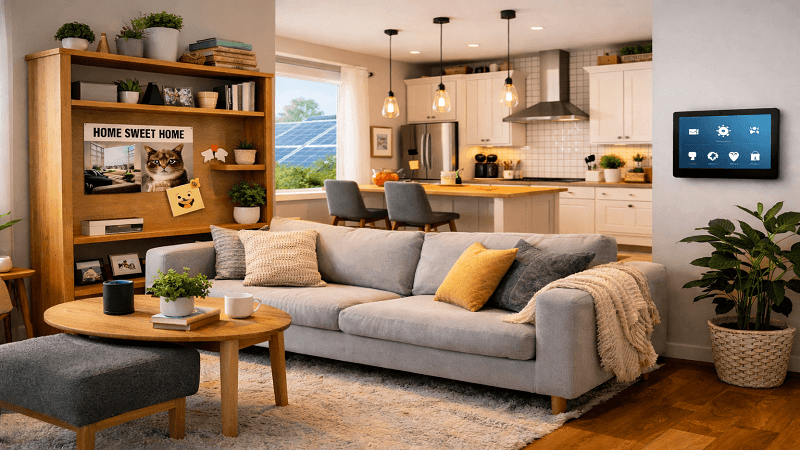
A home is not just a physical structure; it is a reflection of lifestyle, values, and daily habits. In today’s fast-paced world, modern home living focuses on comfort, functionality, and personal expression. Whether you live in a small apartment or a spacious house, thoughtful design and planning can transform your space into a place that supports relaxation, productivity, and family life. This article explores key aspects of creating a balanced and welcoming home, from layout planning to personal touches and modern trends.
Understanding the Purpose of Your Home
Every home serves multiple purposes. It is a place to rest, work, socialize, and recharge. Before making any design or decoration decisions, it is important to understand how you use your space. A family with children may prioritize safety, storage, and open areas, while a working professional may need a quiet home office and organized living areas.
Defining the purpose of each room helps avoid clutter and confusion. For example, a living room can be both a relaxation area and a social space, but it should not become a storage room. Clear purpose leads to better furniture choices, improved movement, and a more peaceful environment.
Smart Layout and Space Planning
Good layout planning is the foundation of a comfortable home. Furniture should be placed in a way that allows easy movement and natural flow. Avoid overcrowding rooms with unnecessary items. Minimalism does not mean empty spaces; it means keeping what is useful and meaningful.
In smaller homes, multi-functional furniture plays a vital role. Sofa beds, foldable tables, and storage ottomans help maximize space without compromising comfort. Vertical storage, such as wall-mounted shelves and cabinets, can free up floor space and keep rooms organized.
Importance of Lighting and Ventilation
Lighting has a major impact on mood and functionality. Natural light is always the best option, as it makes rooms feel open and fresh. Large windows, light curtains, and mirrors can help reflect daylight throughout the home.
Artificial lighting should be layered. Use a mix of ambient lighting for general brightness, task lighting for activities like reading or cooking, and accent lighting to highlight decor. Proper ventilation is equally important. Fresh air circulation keeps the home healthy and prevents dampness, odors, and humidity-related issues.
Choosing the Right Colors and Materials
Color selection influences emotions and comfort. Soft and neutral colors such as beige, white, light gray, and pastel shades create a calm and spacious feel. Bold colors can be used as accents through cushions, artwork, or feature walls.
Material choice also matters. Natural materials like wood, stone, and cotton add warmth and durability. In kitchens and bathrooms, choose materials that are easy to clean and resistant to moisture. A balance between aesthetics and practicality ensures long-term satisfaction.
Organization and Storage Solutions
An organized home reduces stress and saves time. Storage solutions should be planned according to daily needs. Use cabinets, drawers, baskets, and organizers to keep items in their designated places. Regular decluttering helps maintain order and prevents unnecessary accumulation.
Closets and wardrobes should be arranged efficiently, with separate sections for frequently used and seasonal items. In kitchens, labeled containers and drawer dividers improve accessibility and cleanliness. Organization is not about perfection but about creating systems that are easy to maintain.
Personalization and Creative Expression
A home feels complete when it reflects the personality of its occupants. Personal touches such as family photos, travel souvenirs, handmade decor, and artwork bring warmth and identity to the space. These elements make a house feel truly lived-in and welcoming.
Creativity can also be expressed in playful ways. For example, visual humor and ideas created using a meme maker online can inspire fun wall art or notice boards at home.
Such creative expressions add a light, modern touch and reflect how digital creativity can influence home aesthetics.
Creating Functional Kitchens and Bathrooms
The kitchen and bathroom are two of the most frequently used areas in a home. A functional kitchen should have efficient storage, proper lighting, and a smooth workflow between cooking, cleaning, and preparation areas. Countertops should be clutter-free, and appliances should be placed for easy access.
Bathrooms should focus on cleanliness, safety, and comfort. Non-slip flooring, proper drainage, and good ventilation are essential. Simple additions like mirrors, shelves, and soft lighting can make bathrooms feel more spacious and relaxing.
Energy Efficiency and Sustainable Living
Modern home design increasingly focuses on energy efficiency and sustainability. LED lighting, energy-saving appliances, and proper insulation reduce electricity consumption and lower utility bills. Solar panels, where possible, provide long-term benefits and environmental advantages.
Water-saving fixtures, such as low-flow taps and dual-flush toilets, help conserve resources. Sustainable living is not only environmentally responsible but also cost-effective in the long run.
Maintaining a Healthy Home Environment
A healthy home supports physical and mental well-being. Regular cleaning, dust control, and proper waste management prevent health issues. Indoor plants improve air quality and create a calming atmosphere.
Noise control is another important factor. Soft furnishings, rugs, and curtains can absorb sound and reduce echo, especially in apartments. A peaceful environment promotes better sleep, focus, and overall happiness.
Adapting Homes for the Future
Homes should be adaptable to changing needs. As families grow or work patterns change, spaces may need to serve new purposes. Flexible furniture, neutral designs, and modular layouts make it easier to update rooms without major renovations.
Technology also plays a growing role in home living. Smart lighting, security systems, and temperature controls improve convenience and safety. Integrating technology thoughtfully ensures it enhances life rather than complicating it.
Conclusion
A well-designed home balances comfort, function, and personal style. By focusing on smart layouts, proper lighting, organization, and meaningful decor, any space can become welcoming and efficient. Modern home living is about creating an environment that supports daily routines while offering comfort and inspiration. With thoughtful choices and creative ideas, your home can truly become a place of peace, productivity, and lasting happiness.