Today’s Multifamily Planning Landscape
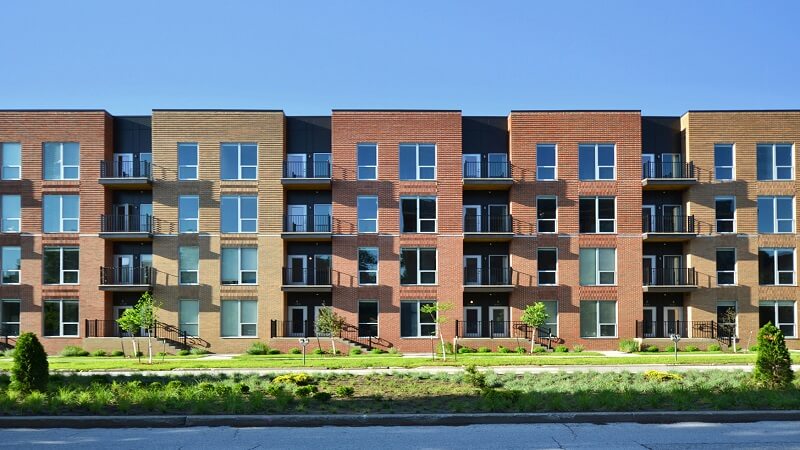
Multifamily planning involves far more than choosing a unit count and estimating construction costs. A successful project must connect financial goals with the needs of residents, property managers, designers, lenders, and construction teams. Owners considering multifamily construction contractors in Utah should begin with a detailed plan that considers the full life of the property, from land evaluation through resident turnover and long-term maintenance. Each early decision can influence the project’s budget, schedule, leasing position, and future operating costs. Residents expect comfort, privacy, safety, dependable utilities, and convenient shared areas. Owners need a building that can be maintained efficiently. Contractors need coordinated drawings, realistic material selections, and timely decisions that keep the work moving.
Set Clear Project Goals
Before detailed design begins, create a written project brief. It should identify the intended resident group, target rent range, unit mix, desired construction quality, parking approach, shared-space needs, energy priorities, and target completion date. It should also define maintenance expectations, such as whether finishes must withstand heavy tenant turnover or whether landscaping and common areas require low-maintenance solutions. Unclear goals often lead to late changes. A decision to add storage, revise parking, change unit layouts, or upgrade common spaces after drawings are underway can affect permits, structural work, procurement, and financing. A concise brief gives every participant the same point of reference when questions arise.
Study the Site Before Design Begins
A site may look attractive because of its location or purchase price, yet still introduce major development challenges. Soil conditions, drainage, utility capacity, traffic access, zoning limits, fire access, neighboring uses, and weather exposure should be investigated before the layout is finalized. A complete review should include boundary verification, geotechnical testing, utility coordination, stormwater planning, and a close reading of local development requirements. For example, a lower-cost parcel can become more expensive if it requires substantial grading, off-site utility upgrades, retaining walls, or additional stormwater infrastructure. Early research helps teams evaluate the full cost of the site rather than focusing solely on the acquisition price.
Build a Budget With Room for Change
A useful multifamily budget accounts for land, design, permits, site work, labor, materials, insurance, financing, utility work, landscaping, furnishings, and contingency funds. It should identify firm costs and costs that may change due to market conditions, design revisions, or schedule changes. Review the budget at defined milestones instead of treating it as a one-time estimate.
Choose Materials for Long-Term Use
Material selection should consider life-cycle value, not just first cost. A less expensive product may require frequent repairs, create resident disruption, or lead to higher replacement costs. Compare high-use materials based on expected service life, cleaning requirements, moisture resistance, repair frequency, warranty coverage, replacement availability, and local climate conditions. Create a simple material standard for corridors, entryways, stairwells, common rooms, and other high-traffic spaces. Consistent flooring, paint systems, hardware, lighting, and plumbing components can simplify purchasing, cleaning, repairs, and future replacements. Energy choices also deserve early attention. The Department of Energy offers multifamily-focused resources for efficient new homes that can help teams evaluate building performance options during planning.
Bring the Project Team Together Early
Early collaboration gives decision-makers better information before changes become difficult. Architects, engineers, builders, trade partners, property managers, and owners each see different risks. A property manager may recognize a maintenance challenge in a proposed finish. A trade contractor may identify a more practical installation method. An engineer may spot a coordination issue before it reaches the field. Early review meetings should cover project goals, site conditions, constructability, material availability, code requirements, cost options, maintenance needs, and schedule risks. This does not reduce the need for leadership. It helps leaders make informed decisions while there is still time to act.
Create a Realistic Construction Schedule
A useful schedule shows more than the completion date. It should include design approvals, permit review, utility coordination, procurement, site preparation, inspections, building phases, testing, punch-list work, and turnover. Identify milestone decisions for long-lead equipment, major material orders, inspection windows, and owner approvals. Speed should not come at the expense of skipping essential review steps. A rushed decision may save several days early in the project but create weeks of rework later. The strongest schedules balance momentum with enough time for coordination and quality control.
Plan for Common Project Risks
Multifamily projects benefit from a live risk register that lists each risk, its likely impact, the person responsible, and the next action. Common concerns include price changes, permit delays, long-lead materials, weather interruptions, labor shortages, design changes, and quality issues. Update the register during design, bidding, construction, and turnover.
- Track major material pricing and availability.
- Confirm permit requirements before submitting plans.
- Use a written approval process for scope changes.
- Build reasonable weather flexibility into site-work activities.
- Schedule inspections and document corrective work promptly.
Use a Practical Planning Checklist
- Are goals, resident needs, and operating expectations documented?
- Has the site been tested for soil, drainage, utilities, access, and zoning limits?
- Does the budget include contingency funds and indirect costs?
- Have durable materials been selected for high-use areas?
- Have long-lead products and permit requirements been identified?
- Has the team reviewed constructability and maintenance access?
- Is there a clear process for changes, inspections, and turnover?
Common Questions About Multifamily Project Planning
When Should Planning Begin?
Planning should begin before land is purchased or a final design is selected. Early research can reveal whether the site, budget, schedule, and project goals truly fit together.
What Is the Most Common Budget Mistake?
Many teams focus on visible construction costs while underestimating site work, utility upgrades, permits, financing, schedule changes, and future maintenance needs.
How Can Teams Reduce Rework?
Coordinate drawings early, review difficult details with trade partners, confirm material availability, and establish a documented process for design changes and approvals.
Conclusion
Strong multifamily projects begin with clear goals and continue through disciplined coordination. Careful site research, honest budgeting, resident-focused design, durable material choices, and practical risk planning can help a development perform well long after construction ends. When every decision considers the people who will build, manage, and live in the property, the finished community is better prepared to deliver lasting value. Successful multifamily developments also require strong communication among owners, architects, contractors, and property managers to keep expectations aligned throughout the process. By prioritizing efficiency, sustainability, safety, and long-term maintenance, developers can create spaces that remain functional and appealing for years to come. A well-planned approach not only improves the resident experience but also supports operational performance, market competitiveness, and lasting investment returns. Thoughtful planning today helps create communities that continue to succeed well into the future.