Weekend renovation projects are popular among homeowners looking to make meaningful upgrades without committing to long timelines. Whether it’s removing old flooring, updating a bathroom, or clearing out a room for a refresh, these projects often focus on completing as much work as possible within a short window. While planning typically centers around tools, materials, and labor, waste removal is just as important to the overall success of the project.
Without a clear plan for handling debris, even a well-organized weekend renovation can slow down. Materials pile up quickly, work areas become cluttered, and valuable time is spent managing waste instead of making progress. Planning waste removal in advance helps homeowners maintain momentum and complete projects more efficiently.
Understanding the Time Constraints of Weekend Projects
Weekend renovations operate under tight deadlines. Most DIYers aim to complete demolition, installation, and cleanup within one or two days. This compressed schedule leaves little room for delays, especially when it comes to debris management.
Unlike longer projects, where waste can be addressed gradually, weekend work requires immediate disposal solutions. Waiting until the end of the project to deal with debris often leads to congestion and extra labor.
Having a disposal plan in place before work begins allows homeowners to focus on completing tasks without interruption.
Estimating the Amount of Debris
Even small renovation projects can generate more waste than expected. Removing flooring, cabinets, or fixtures often produces bulky materials that quickly fill standard trash bins.
Common types of debris from weekend projects include:
- Carpet, padding, and tack strips
- Laminate or tile flooring
- Old vanities or cabinets
- Drywall scraps and trim pieces
- Packaging from new materials
Estimating the volume of these materials helps determine the most appropriate disposal method. In many cases, regular household waste service is not sufficient to handle the volume generated in a short period.
Choosing a Temporary Disposal Solution
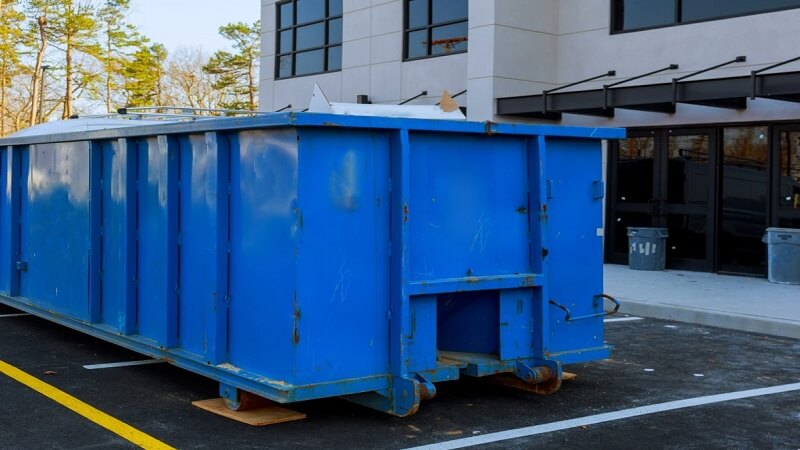
For weekend renovations, a temporary dumpster provides a convenient way to manage debris efficiently. Having a dedicated container on-site allows homeowners to dispose of materials as they work rather than creating piles that need to be handled later.
Temporary containers support a more streamlined workflow by keeping debris contained and out of active work areas. This approach reduces the need for repeated cleanup and helps maintain a more organized space.
Many homeowners arrange waste removal through services such as home dumpster rentals to ensure they have adequate capacity for the duration of the project.
Timing Delivery Before the Project Starts
Because weekend projects move quickly, it is important to have the dumpster delivered before demolition begins. Starting work without a disposal option often results in temporary debris piles that must be moved later, adding unnecessary effort.
With a container already in place, materials can be removed immediately as they are taken out of the home. This helps maintain a clear work environment from the beginning of the project.
Coordinating delivery for Friday or early Saturday is a common approach for weekend renovations.
Placing the Dumpster for Easy Access
Convenience plays a major role in how effectively a dumpster is used. Placing the container too far from the work area can slow progress, as materials must be carried longer distances.
Driveways are often the most practical location, as they provide easy access for both loading and pickup. In some cases, homeowners may need to consider street placement, depending on available space and local regulations.
Positioning the container close to the main work zone helps reduce the time spent transporting debris.
Working Efficiently During Demolition
The demolition phase of a weekend renovation typically generates the most debris in the shortest amount of time. Managing waste efficiently during this stage helps keep the project on track.
Some practical approaches include:
- Removing materials in sections rather than all at once
- Loading debris into the dumpster immediately
- Breaking down bulky items to save space
- Keeping pathways clear for safe movement
These steps help prevent clutter and allow the project to move forward without interruptions.
Avoiding Overflow and Last-Minute Issues
One of the biggest challenges during weekend projects is running out of disposal space. Overfilled dumpsters can delay cleanup and require additional coordination.
To avoid this, homeowners should monitor how quickly the container is filling and load materials strategically. Keeping debris within the fill line ensures the dumpster can be removed without issues.
Choosing a container that provides a small buffer of extra space can also help prevent last-minute problems.
Maintaining a Clean Work Environment
A clean workspace is essential for both safety and efficiency. When debris accumulates inside the home or in work areas, it becomes harder to move around and complete tasks.
Using a dumpster consistently throughout the project helps maintain clear floors and pathways. This is especially important in smaller spaces where clutter can quickly become overwhelming.
An organized environment allows homeowners to focus on installation and finishing work rather than ongoing cleanup.
Planning for Final Cleanup
As the project nears completion, there will still be smaller amounts of debris from packaging, trim, and leftover materials. Having the dumpster available through the final stages ensures everything can be removed before the project wraps up.
Final cleanup is often quicker and more efficient when most of the debris has already been managed during the renovation process.
Scheduling pickup after the project is complete allows the property to return to normal use without leftover waste.
Coordinating With Local Requirements
In some areas, placing a dumpster on the street may require permits or adherence to local guidelines. Homeowners should be aware of these requirements when planning their project.
Working with a rental provider can help clarify placement options and ensure compliance with local regulations.
Understanding these details ahead of time helps avoid unexpected complications during the project.
Weekend DIY renovations move quickly, and effective waste removal planning is essential to keeping them on track. By estimating debris accurately, arranging a temporary disposal solution in advance, and maintaining consistent cleanup throughout the project, homeowners can avoid delays and unnecessary effort.
A well-planned approach to waste management supports a cleaner, safer, and more efficient renovation process. With the right preparation, DIYers can focus on completing their projects within the limited time available while keeping their workspace organized from start to finish.