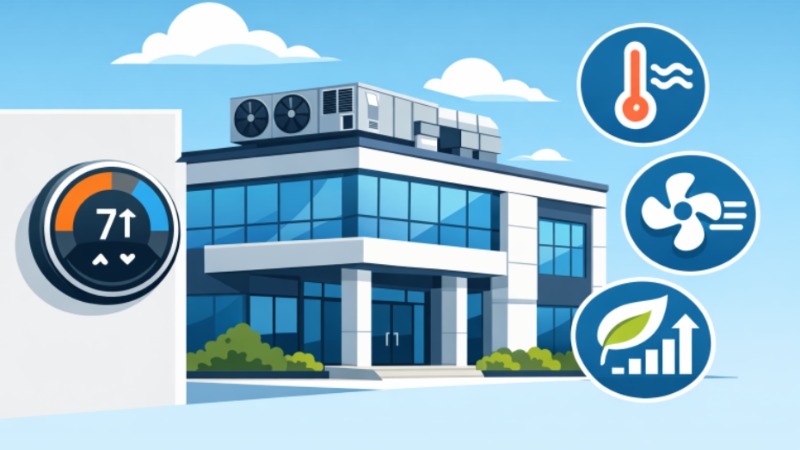
Enhancing the efficiency of commercial HVAC systems has become imperative for businesses seeking to reduce operational costs and uphold environmental sustainability. Today’s advancements in smart technology, strategic system design, and ongoing maintenance offer powerful pathways to lower energy consumption and create a healthier work environment. Building owners and facility managers can now learn more about how adopting intelligent HVAC solutions can deliver meaningful benefits for their properties and bottom lines.
Many forward-thinking organizations are making substantial progress by leveraging innovations like building automation systems and adaptive ventilation controls. Simple changes in routine maintenance, paired with effective utilization of utility company incentives, can further accelerate returns. Understanding which upgrades provide the most impact, from real-time data tracking to investing in energy-efficient rooftop units, is key to sustainable success in commercial HVAC management.
This article provides actionable insights for optimizing HVAC performance and outlines how smart technology, equipment upgrades, and ongoing system support can drive long-term savings and reduce carbon footprints.
Smart Thermostats and Building Automation Systems
Smart thermostats and building automation systems (BAS) enable commercial property managers to gain enhanced control over HVAC operations. When connected to central BAS platforms, programmable thermostats can learn occupancy patterns and adjust heating and cooling based on real-time data, potentially reducing HVAC energy consumption by 15-30%. These systems enable remote monitoring and allow for quick adjustments, preventing issues that may affect comfort and increase energy costs.
In addition to temperature control, BAS integrates lighting, security, and other management protocols, leading to lower overall energy consumption. Cloud-enabled BAS can analyze data across multiple properties, helping facility managers identify inefficiencies and implement energy-saving strategies. The combination of advanced controls and data analytics can result in significant financial and environmental benefits, making real-time adaptability a key asset for modern organizations.
Regular Maintenance and System Upgrades
Regular HVAC maintenance is essential for preventing costly breakdowns and maximizing energy efficiency. Key maintenance tasks include changing air filters, cleaning coils, checking refrigerant levels, inspecting ductwork, and calibrating thermostats. These actions help minimize wear and improve airflow. Upgrading to high-MERV filters and improving duct insulation can reduce energy loss by up to 30%.
Entering into preventive maintenance agreements with experienced contractors provides ongoing monitoring and proactive servicing, helping avoid unexpected downtime. Additionally, using IoT sensors for predictive maintenance can identify issues early, ensuring comfort while saving resources. Training staff on proper equipment usage further optimizes performance. Collaborating with maintenance professionals creates a balanced environment that controls energy costs and enhances occupant satisfaction.
Demand-Controlled Ventilation
Demand-controlled ventilation (DCV) adjusts airflow based on occupancy levels, improving air quality while saving energy compared to constant full-capacity ventilation. By utilizing sensors such as carbon dioxide monitors, DCV provides ventilation as needed, resulting in energy cost reductions of 9-33% in office buildings, according to the American Society of Heating, Refrigerating, and Air-Conditioning Engineers. This method ensures fresh air is supplied only when necessary, minimizing waste during periods of low occupancy and promoting employee health.
DCV is particularly advantageous for areas with fluctuating occupancy, such as conference rooms and fitness centers, significantly enhancing efficiency compared to traditional methods. When combined with smart controls like zoning and temperature sensors, DCV optimizes HVAC system performance and supports compliance with health guidelines and occupant wellness programs, benefiting both building owners and tenants.
Energy-Efficient Equipment
Upgrading to new, energy-efficient HVAC units can significantly reduce utility bills and lower carbon emissions. Modern rooftop units, variable-speed compressors, and advanced heat pumps provide effective heating and cooling while meeting strict Department of Energy (DOE) standards, even in cold climates. Investing in these systems not only saves money over time but also helps organizations achieve sustainable certifications, such as LEED.
New HVAC systems typically use eco-friendly refrigerants and technologies, such as variable-frequency drives (VFDs), to adjust output to the building load, reducing energy consumption during off-peak periods. Retrofitting older systems with high-efficiency motors and fans can improve performance and extend equipment lifespan. Ultimately, energy-efficient solutions promote both immediate savings and long-term operational excellence.
Utility Rebates and Incentives
Financial incentives from utility providers can help offset the upfront costs of energy-saving upgrades. Many utility companies, such as Duke Energy, offer cash rebates for qualifying smart thermostats, advanced controls, and high-efficiency HVAC systems. These programs shorten payback periods, encouraging businesses to pursue ambitious energy-efficiency projects with long-term benefits.
In addition to rebates, some utility programs provide technical assistance, energy audits, and financing options for commercial upgrades. By staying informed about available incentives and collaborating with energy experts, businesses can enhance their return on investment while meeting regulatory requirements. This combination of technology adoption and financial support helps create healthier, more energy-efficient workplaces that promote sustainable growth.
Conclusion
Improving commercial HVAC efficiency requires a combination of smart technology, routine maintenance, strategic equipment upgrades, and energy-conscious operating practices. By implementing these proven strategies and taking advantage of available utility incentives, businesses can reduce operating costs, enhance occupant comfort, extend equipment life, and support long-term sustainability goals for their facilities.