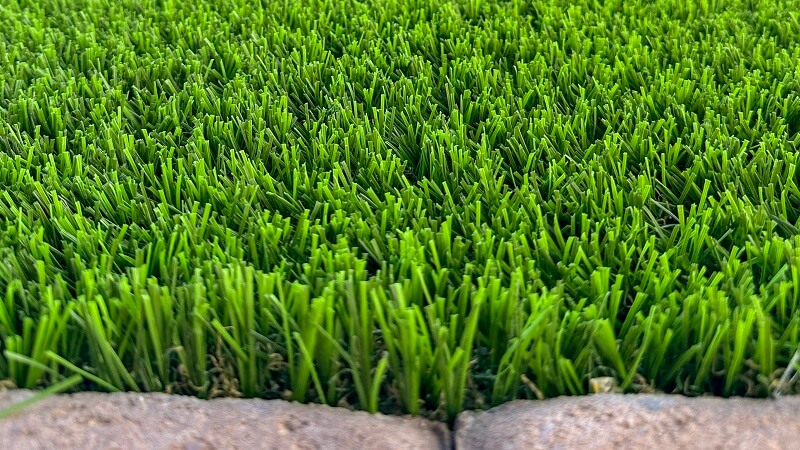
When it comes to landscaping, the process of choosing and purchasing turf changes dramatically depending on the size and purpose of the project. Homeowners often focus on appearance and convenience, while developers, councils, sports facilities, and contractors work with strict timelines, performance requirements, and long-term maintenance goals. That is why large commercial projects usually rely on experienced commercial turf suppliers that can deliver consistent quality, large quantities, and technical expertise tailored to demanding environments.
The Scale of Supply Changes Everything
A residential lawn may require only a few hundred square feet of turf, but commercial developments can need thousands of square meters delivered within a tight construction schedule. This difference in scale creates an entirely different sourcing process.
Large landscaping projects cannot afford inconsistent turf quality or delivery delays. A shopping complex, golf course, sports ground, or public park often has multiple contractors working simultaneously. If the turf arrives late or fails to establish properly, the entire project timeline can suffer.
Commercial buyers therefore prioritize suppliers that can guarantee:
- High-volume availability
- Uniform turf quality
- Reliable logistics
- Scheduled harvesting and delivery
- Ongoing technical support
Households, on the other hand, usually purchase smaller quantities from local garden centers or nearby turf farms without needing the same level of coordination.
Turf Performance Matters More in Commercial Spaces
For homeowners, visual appeal is often the main priority. They want a lawn that looks green, neat, and easy to maintain. Commercial projects require far more than aesthetics.
High-traffic environments such as schools, sports fields, resorts, office campuses, and municipal parks demand turf varieties that can withstand heavy use. Turf selection is based on several technical considerations, including:
Wear Tolerance
Commercial lawns experience significantly more foot traffic than residential gardens. The turf must recover quickly from repeated use without thinning or becoming patchy.
Climate Adaptability
Large projects often need turf that can handle specific regional weather conditions, including heat, drought, frost, or excessive rainfall. Choosing the wrong variety could lead to expensive replacements later.
Water Efficiency
Many commercial developments now prioritize sustainability. Drought-tolerant turf varieties help reduce irrigation costs and align with environmental regulations.
Maintenance Requirements
Businesses and public facilities aim to lower long-term operational expenses. Turf that requires less mowing, fertilizing, or watering becomes a smarter investment over time.
Commercial Buyers Focus on Long-Term Value
Residential customers frequently compare turf prices based on upfront cost alone. Commercial landscaping decisions are usually made differently.
Project managers, developers, and contractors evaluate the total lifecycle cost of the turf. A cheaper product that fails early can create major expenses in repairs, labor, and reputation damage.
Commercial sourcing decisions often involve:
- Durability projections
- Maintenance budgeting
- Installation efficiency
- Replacement risk analysis
- Warranty coverage
This long-term approach explains why large-scale projects typically work with specialized suppliers instead of choosing the lowest-priced option available.
Logistics Play a Critical Role
Turf is a living product, and timing is extremely important. Once harvested, it must be transported and installed quickly to preserve freshness and root health.
For residential orders, delivery scheduling is relatively simple. However, commercial landscaping projects require advanced logistical planning. Turf may need to arrive in phases according to construction progress, irrigation setup, or weather conditions.
Professional turf suppliers often coordinate directly with:
- Landscape architects
- Construction managers
- Irrigation teams
- Site supervisors
- Maintenance contractors
This level of organization helps prevent installation problems and reduces project downtime.
Soil Preparation Is More Technical in Commercial Projects
Many homeowners install turf over basic soil preparation, but commercial projects involve detailed site analysis. Soil quality, drainage systems, grading, and compaction are all evaluated before installation begins.
Improper soil preparation on a large project can lead to:
- Uneven growth
- Drainage failures
- Increased disease risk
- Poor root establishment
- Higher maintenance costs
Because of this, commercial turf providers often offer consultation services and site assessments before supplying the turf itself.
Consistency Is Essential Across Large Areas
One of the biggest challenges in commercial landscaping is maintaining a uniform appearance across massive spaces. Inconsistent turf color, texture, or density becomes immediately noticeable on large properties.
Professional suppliers use controlled growing methods to ensure:
- Even coloration
- Consistent blade texture
- Matching growth patterns
- Reliable turf maturity
This level of consistency is less critical for small household lawns, where minor variations are often unnoticed.
Compliance and Industry Standards Matter
Large-scale developments frequently need to comply with local environmental regulations, council requirements, or sports surface standards. Turf selection may need to meet specifications related to drainage, safety, or sustainability.
Commercial suppliers are typically more familiar with these requirements and can recommend suitable turf varieties for each project type.
For example, sports facilities may require turf that meets performance benchmarks, while public infrastructure projects may need environmentally resilient grass species that reduce water usage.
The Relationship Extends Beyond the Purchase
Homeowners usually make a one-time turf purchase. Commercial landscaping relationships are often ongoing partnerships.
Large projects may require future turf expansions, maintenance support, seasonal consultations, or replacement sections over time. Reliable suppliers become long-term collaborators rather than simple vendors.
This ongoing support can significantly improve turf performance and reduce future landscaping costs.
Final Thoughts
The difference between residential and commercial turf sourcing goes far beyond quantity. Large-scale landscaping projects demand strategic planning, technical expertise, logistical coordination, and long-term performance reliability. From soil analysis to delivery scheduling and durability expectations, every aspect of the process becomes more complex at a commercial level.
That is why professional developers and contractors approach turf procurement differently than homeowners. By partnering with experienced suppliers who understand large-scale requirements, commercial projects can achieve healthier landscapes, better visual consistency, and stronger long-term results.