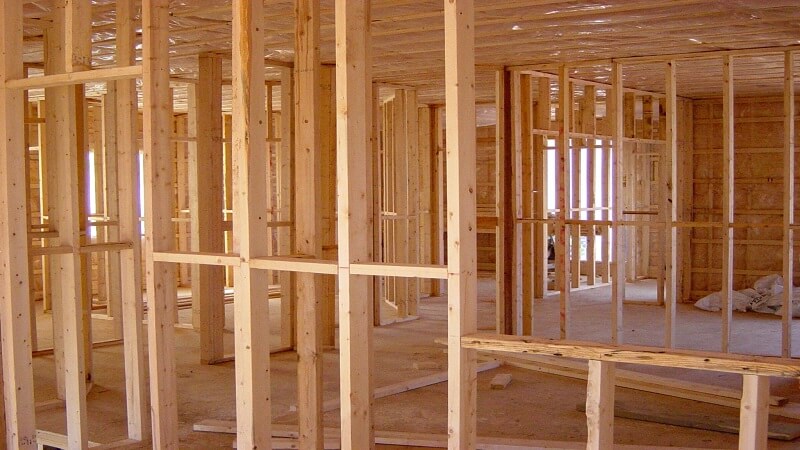
Traditional timber framing continues to influence modern construction because it combines strength, craftsmanship, and architectural clarity in a way that still feels relevant. Long before steel frames, engineered panels, and modern fastening systems became common, builders used large timber members to create durable structures with open interiors and visible structural rhythm. Those same qualities still appeal to homeowners, architects, and builders today. Timber framing does not only support a building; it gives the structure a visible language.
Modern construction often values efficiency, flexibility, and clean design, yet traditional timber framing remains attractive because it offers something more tactile. Exposed posts, beams, and braces create warmth and authenticity. They show how the building is held together instead of hiding every structural decision behind drywall. This visible honesty gives timber-framed spaces a sense of permanence, especially in homes, cabins, lodges, pavilions, barns, porches, and design-focused renovations.
The Lasting Appeal of Timber Framing
Traditional timber framing is built around large wood members joined together to create a structural skeleton. The appeal comes from both performance and appearance. A timber frame can carry loads while also shaping the character of the interior. Instead of treating structure and design as separate concerns, timber framing brings them together. The same beam that supports the roof may also define the ceiling line, guide the eye across a room, and create a strong architectural focal point.
This is one reason timber framing continues to influence modern homes. Many contemporary projects borrow the visual language of timber framing even when they use newer construction methods. Exposed beams, decorative braces, post-and-beam details, vaulted ceilings, and heavy timber accents all reflect the old framing tradition. The result is a blend of modern comfort and traditional character, a little structural poetry hiding in plain sight.
What Structural Beam Is Most Closely Associated With Traditional Timber Framing?
Traditional timber framing relies on a network of interconnected structural members that transfer loads throughout a building. Posts, braces, and beams work together to create strength, stability, and architectural character. While many individual components contribute to the overall framework, the primary horizontal members often receive the greatest attention because they influence both structural performance and visual appearance.
Among the most recognized structural elements in this construction method are solid timber beams. These beams are formed from substantial sections of natural timber rather than engineered assemblies, giving them a distinctive role in traditional framing systems. Builders have used them for generations to span openings, support roof structures, and connect major framing components. Their visible grain patterns and substantial dimensions also contribute to the architectural identity commonly associated with timber-framed buildings.
The significance of these beams extends beyond aesthetics. Structural design depends on beam dimensions, wood species, span requirements, and load conditions. Those factors influence how framing systems perform over time and determine how individual components integrate within the broader structure. Because timber framing often leaves structural elements exposed, beam selection affects both engineering objectives and design outcomes.
Modern projects continue to draw inspiration from traditional framing principles because natural timber elements provide a combination of structural capability and visual authenticity. Understanding the role of major framing members helps builders, designers, and property owners appreciate how timber construction achieves both functional performance and enduring architectural appeal.
Why Modern Builders Still Borrow Traditional Methods
Modern construction has access to many advanced materials, but traditional timber framing still offers lessons that remain useful. It emphasizes clear load paths, strong connections, careful joinery, and respect for material behavior. Even when builders use engineered products or hybrid systems, the principles of timber framing can guide better design. A structure should distribute weight logically, use materials appropriately, and allow each component to serve a clear purpose.
Timber framing also supports open spaces. Large beams and posts can help create wide rooms, vaulted ceilings, and dramatic interiors. These features remain popular in modern residential design because they make spaces feel expansive without losing warmth. Steel and engineered wood can achieve similar spans, but natural timber brings a different presence. It feels less industrial and more connected to the landscape, especially in homes where wood, stone, glass, and natural light work together.
Craftsmanship Creates Visual Value
Traditional timber framing carries a visible sense of craft. Joinery, beam proportions, braces, and exposed connections show that the structure was designed with care. Modern homeowners often respond to this because it gives a building character that cannot be created by flat surfaces alone. A room with exposed timber feels built, not merely assembled. That distinction matters in an era where many interiors risk becoming too smooth, too pale, and too quiet.
Timber Framing and Outdoor Living Design
The influence of timber framing is not limited to interiors. Outdoor structures such as porches, pergolas, pavilions, garden shelters, covered patios, and entry features often use timber-inspired details. Posts, braces, and beams create a strong visual frame for outdoor areas, helping them feel like intentional extensions of the home rather than temporary additions. The same traditional logic applies: visible structure can provide both function and beauty.
Exterior design choices also affect how timber details are experienced. Landscaping, pathways, seating areas, lighting, and decorative elements can strengthen the architectural role of timber features. Ideas connected to yard decoration and outdoor design show how exterior spaces gain character when structural elements and decorative planning work together. A timber-framed porch or pavilion can become the anchor around which the rest of the outdoor space gathers.
Wood Still Shapes Contemporary Architecture
The continued use of timber in architecture is not simply nostalgia. Wood remains valuable because it can be structural, decorative, warm, adaptable, and expressive. Designers use it in interiors, facades, ceilings, furniture, and exposed framing because it offers natural variation that manufactured surfaces often lack. A guide to wood in architecture and interiors reflects how widely wood continues to shape modern spaces, from refined minimalism to bold structural expression.
Traditional timber framing influences this modern use of wood by reminding designers that material can be honest. A beam does not need to be hidden to be beautiful. A brace can be both useful and expressive. A post can organize a room while adding rhythm and character. These ideas remain powerful because they connect construction with human experience. People often feel the difference between a room that only encloses space and a room that reveals how it stands.
Balancing Tradition With Modern Requirements
Traditional influence does not mean modern builders should ignore current codes, engineering standards, insulation needs, moisture control, or energy performance. Today’s timber-inspired projects must satisfy modern expectations while preserving the qualities that make timber framing appealing. This often requires collaboration between designers, engineers, builders, and material suppliers.
For example, exposed timber may be combined with modern wall systems, high-performance windows, concealed mechanical systems, or engineered connectors. Some projects use true traditional joinery, while others use decorative timber elements to evoke the look of framing. Both approaches can work when the design is honest about what the timber is doing. Problems arise when appearance is copied without understanding structure, proportion, or material behavior.
Brand Section: Why Timber Beam Knowledge Matters
Understanding timber beams helps homeowners and builders make better decisions when planning traditional or timber-inspired projects. Beam size, species, finish, span, and placement all influence the finished result. A strong timber resource can help buyers compare natural beam options with practical clarity, especially when the beams will remain visible as part of the architecture.
Quality timber planning also protects the relationship between structure and design. Traditional framing works because its components feel purposeful. When beams, posts, and braces are selected thoughtfully, they contribute to stability, visual balance, and long-term character. This makes timber knowledge valuable not only for structural performance, but also for preserving the architectural identity that makes timber-framed spaces memorable.
Why the Influence Endures
Traditional timber framing endures because it answers several modern desires at once. It creates open space, expresses craftsmanship, uses natural material, and gives buildings a sense of rootedness. In a world of fast finishes and interchangeable interiors, timber framing offers visible substance. It reminds people that buildings can show their bones with dignity.
The influence also continues because timber framing adapts well. It can feel rustic, refined, historic, contemporary, or minimal depending on the detailing. A heavy reclaimed beam may suit a farmhouse renovation, while a clean timber frame may complement a modern glass-filled home. The tradition survives because it is not trapped in one style. It keeps learning new dialects while still speaking in wood.
Conclusion
Traditional timber framing still influences modern construction because it combines structural logic with architectural character. Posts, braces, and beams create buildings that feel strong, warm, and visually honest. Even when modern projects use updated materials and methods, timber-framing principles continue to shape open interiors, exposed beam designs, outdoor structures, and natural material palettes.
For builders, designers, and homeowners, the lesson is clear: timber can do more than support a roof. It can define a room, frame an outdoor space, and give a building lasting identity. Traditional timber framing remains relevant because it turns structure into design, and that kind of construction never truly goes out of style.