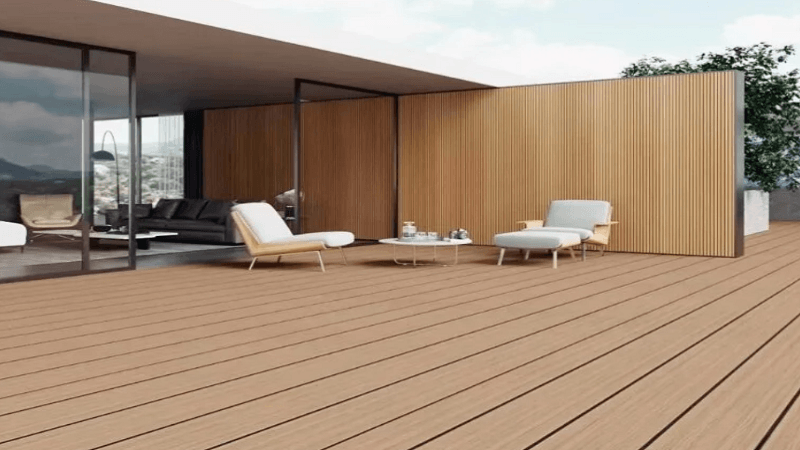
Outdoor spaces have become an extension of the home. Homeowners now treat patios, terraces and garden decks as living rooms under the open sky, and they expect these areas to look good, last for years and respect the environment. Traditional timber has long been the default choice, but its demands for sanding, staining and sealing, along with concerns about deforestation, have pushed many people to look for better materials. Wood plastic composite, commonly known as WPC, has emerged as a leading answer. This article explains what WPC decking is, why it suits environmentally conscious homeowners, and what to look for in a trusted manufacturer.
What Makes WPC Decking Different
WPC is made by blending wood fibers or wood flour with thermoplastic polymers and special additives. The mixture is heated, shaped and cooled into boards that combine the natural warmth of timber with the durability of engineered plastics. The result resists moisture, rot, fungal decay and insect damage, which are the problems that shorten the life of ordinary wooden decks.
The same technology is not limited to flooring. Many homeowners now extend the idea to walls and facades, and composite exterior cladding is a good example, offering a protective and attractive skin for a building that handles rain, sun and temperature swings far better than untreated wood. Because the boards are made in a controlled factory process, their color, thickness and strength stay consistent from one piece to the next, which makes installation faster and the final finish more uniform.
Benefits for Home Improvement Projects
For anyone planning a renovation, the practical advantages of WPC are easy to see. Here are the main ones:
- Low maintenance: A deck made from WPC does not need annual staining or sealing. Regular sweeping and an occasional wash with soap and water are usually enough.
- Durability: The boards resist cracking, splintering and warping, so they remain comfortable for bare feet and safe for children and pets.
- Slip resistance: Textured surfaces and wood grain embossing help provide traction, even when the deck is wet.
- Fade resistance: Modern boards often include a protective cap layer that guards against ultraviolet rays, helping the color stay rich through many seasons.
- Predictable cost: Although the initial price can be higher than basic timber, the savings on upkeep and replacement often make WPC more economical over the full life of the deck.
These qualities make WPC attractive for backyard decks, pool surrounds, balconies, rooftop terraces, walkways and commercial spaces such as cafes and hotels.
The Environmental Case for Composite Materials
Sustainability is one of the strongest reasons people switch to composites. Many manufacturers use reclaimed wood fibers and recycled plastics in their formulas, which gives waste materials a second life instead of sending them to landfills. Using these inputs reduces the demand for freshly harvested timber, helping protect forests that absorb carbon dioxide and shelter wildlife.
Longevity also matters from an environmental view. A board that lasts decades does not need to be replaced as often, so fewer resources are consumed over time. Because WPC does not require chemical preservatives, paints or stains, there is also less risk of those substances leaching into soil and groundwater. At the end of its life, composite decking can in many cases be recycled again, supporting a more circular approach to building materials.
Homeowners who care about the planet should still ask questions. Reputable producers are open about their raw materials, production methods and product testing, and they can explain how their boards perform in terms of strength, fire behavior and moisture absorption.
Decking as a Home Decor Element
Decking is not only about function. It sets the visual tone of the outdoor area and connects the house to the garden. WPC boards are available in a wide palette, from soft grays and sandy beiges to deep walnut and rich chocolate browns. Some finishes imitate the grain of teak, oak or cedar so closely that guests need to touch them to tell the difference.
Designers often pair composite flooring with outdoor furniture in natural textures, such as rattan, linen cushions and powder coated metal. Planters filled with ornamental grasses, herbs or seasonal flowers add life and color, while string lights or solar lanterns create a warm atmosphere in the evening. Choosing a board color that complements the exterior walls, the roof and the surrounding landscape helps the whole property feel cohesive and intentional.
Choosing a Reliable WPC Decking Manufacturer
The quality of a deck depends heavily on the company that produces the boards. When comparing suppliers, consider these points:
- Material quality: Ask about the wood to polymer ratio, the additives used and whether the boards have a protective outer layer.
- Testing and certification: Look for evidence of tests covering weathering, load capacity, slip resistance and fire performance.
- Range of products: A good manufacturer offers different profiles, colors, textures and accessories such as fasteners, edge trims and substructure systems.
- Warranty and support: A clear warranty and responsive customer service show confidence in the product.
- Production capacity: Established factories can supply both small residential orders and large commercial projects on schedule.
One company worth exploring is Kreco Composites, a WPC composite decking manufacturer that develops outdoor building products for residential and commercial use. You can learn more about its product range and capabilities by visiting the official site, where you can review available options before planning your project.
Installation and Care Tips
Proper installation improves performance. Composite boards expand and contract slightly with temperature changes, so leaving the recommended gaps between boards and at the ends is important. Good ventilation beneath the deck, a stable and level frame, and correct fastener spacing all help the structure remain sound for many years.
Care is simple. Sweep away leaves and debris, rinse the surface regularly, and clean spills promptly. A soft brush and mild detergent handle most stains. Avoid harsh abrasives or very high pressure washing, which can damage the surface texture.
Conclusion
WPC decking brings together beauty, strength and responsibility in a way that suits modern homes. It reduces maintenance, resists the weather, offers a wide range of design possibilities and supports more sustainable building choices. The same material thinking also applies to facades, where composite exterior cladding can protect and enhance the outside of a house with the same low maintenance advantages. By researching materials carefully and working with an experienced WPC composite decking manufacturer, homeowners can create outdoor spaces that stay attractive, comfortable and kind to the environment for many years to come.