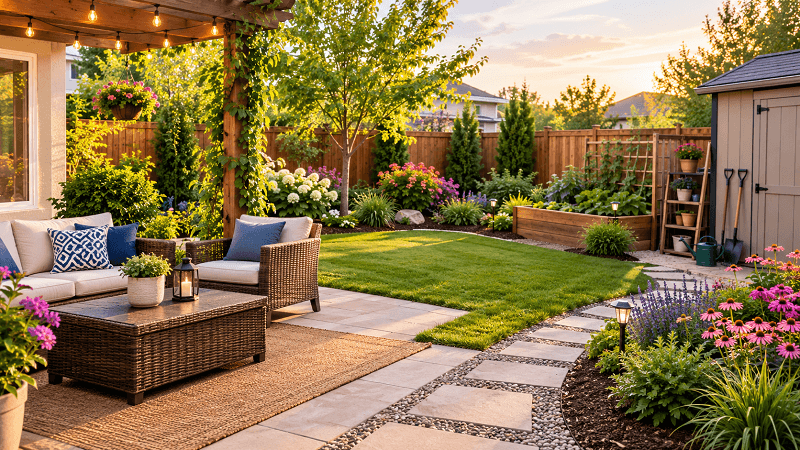
A well-designed yard can make your home more attractive, comfortable, and enjoyable. Whether you have a small backyard, a spacious garden, or a simple outdoor area, thoughtful planning can help you turn it into a beautiful and functional space. You do not always need expensive landscaping, professional equipment, or major construction to achieve good results. Sometimes, a few practical changes can make a noticeable difference.
From choosing suitable plants to arranging outdoor furniture, improving pathways, and maintaining healthy soil, every detail contributes to the overall appearance and usefulness of your yard.
This yard guide decadgarden explores the essential steps involved in planning, designing, decorating, and maintaining an outdoor space. It provides practical information for beginners and homeowners who want to make their yards more attractive while keeping everyday maintenance manageable.
1. Understand Your Yard Before Making Changes
Before purchasing plants, furniture, or decorative accessories, take some time to understand your available outdoor space. Every yard has different characteristics, and recognizing them can help you make better decisions.
Start by measuring the length and width of your yard. Identify existing structures, trees, walls, pathways, gates, and areas that receive direct sunlight. Also, observe where rainwater collects after heavy rainfall.
Consider these important factors:
- Available space: Determine how much room you have for plants, seating, pathways, and other features.
- Sunlight: Notice which areas receive full sunlight, partial shade, or very little direct light.
- Soil condition: Check whether the soil is sandy, clay-based, loose, or compacted.
- Drainage: Identify areas where water collects or takes too long to disappear.
- Privacy: Consider whether fencing, plants, or outdoor screens are needed.
- Maintenance: Decide how much time you can regularly spend caring for the yard.
Understanding these details will help you avoid unnecessary expenses and create a design that works with your existing environment.
2. Create a Practical Yard Layout
A successful yard design begins with a layout that matches your needs. Instead of placing everything randomly, divide the available space into different sections according to their purpose.
For example, you might create a small seating area, a dedicated gardening section, an open space for children, and a pathway connecting different parts of the yard.
Consider the following ideas when planning your layout:
Seating area: Choose a comfortable location where you can relax, read, or spend time with family. A shaded corner can be particularly useful during warmer months.
Planting area: Reserve suitable sections for flowers, shrubs, vegetables, or decorative plants.
Walking pathways: Create convenient routes between entrances, seating areas, and garden sections. Make sure pathways do not unnecessarily divide the usable space.
Storage corner: Set aside a practical location for gardening tools, watering equipment, outdoor cushions, and other supplies.
Keep enough open space for movement and avoid overcrowding the yard with unnecessary features. A simple layout often looks more organized and is easier to maintain.
3. Choose Plants That Suit Your Environment
Plants are among the most important elements of an attractive yard. They introduce natural colors, improve the appearance of outdoor areas, and can create a relaxing atmosphere.
However, not every plant is suitable for every location. Before selecting plants, consider your local climate, sunlight exposure, soil conditions, and available water.
For sunny locations, consider plants that tolerate direct sunlight and warmer temperatures. Shaded areas may be better suited to plants that prefer indirect light.
You can include different types of plants to create visual variety:
- Flowering plants: Add seasonal colors and attractive blooms.
- Evergreen shrubs: Provide greenery throughout much of the year.
- Ground covers: Help cover exposed soil and create a neat appearance.
- Herbs: Offer useful greenery for cooking and everyday household needs.
- Small trees: Provide shade and create a natural focal point where space allows.
When choosing plants, check their mature size rather than focusing only on how they look when purchased. Some shrubs and trees grow considerably larger over time.
Avoid planting large trees too close to walls, underground pipes, foundations, or drainage systems. Allow enough space for healthy root development.
4. Prepare the Soil for Healthy Growth
Healthy soil provides the foundation for successful gardening. Even attractive plants may struggle when the soil lacks nutrients, has poor drainage, or becomes too compacted.
Start by removing weeds, stones, and unwanted materials from the planting area. Loosen compacted soil carefully so that roots can grow more easily.
Adding suitable organic matter, such as mature compost, can improve soil structure and support plant growth. The amount and type of amendment should depend on your existing soil conditions.
A few useful soil preparation practices include:
- Remove weeds and dead plant material.
- Break up compacted soil without disturbing existing roots.
- Add mature compost when appropriate.
- Check whether water drains properly.
- Prepare planting holes according to the requirements of each plant.
Avoid adding excessive fertilizer without understanding what your soil needs. Too much fertilizer can damage plants and create unnecessary maintenance problems.
A simple soil test can help you understand its pH level and nutrient condition before starting a larger gardening project.
5. Design Attractive Garden Pathways
Pathways improve both the appearance and functionality of a yard. They allow people to move comfortably between different areas while helping protect planting sections from unnecessary foot traffic.
There are several materials you can consider when designing garden pathways.
Concrete pathways: These provide a durable and relatively low-maintenance walking surface. They are suitable for frequently used areas.
Natural stone: Stone pathways create an attractive appearance and can complement traditional or modern outdoor designs.
Gravel paths: Gravel can be an affordable option for decorative walking routes. Proper edging and a suitable base help prevent the material from spreading.
Stepping stones: These work well in smaller gardens and can create a natural-looking path through grass or planted areas.
When installing a pathway, consider its width, surface stability, drainage, and accessibility. Avoid slippery materials in locations that frequently become wet.
A properly planned pathway should connect useful areas without taking up too much valuable garden space.
6. Add Comfortable Outdoor Furniture
Outdoor furniture can turn an ordinary yard into a comfortable place for relaxing and entertaining guests. However, furniture should be selected according to the available space and local weather conditions.
For a small yard, a compact bench, two chairs, or a foldable table may be sufficient. Larger spaces can accommodate outdoor dining sets, lounge chairs, or a comfortable seating arrangement.
When choosing furniture, consider:
- Weather-resistant construction.
- Comfortable seating and practical dimensions.
- Easy cleaning and maintenance.
- Suitable materials for sunlight and moisture exposure.
- Storage options during harsh weather.
Metal furniture can provide a modern appearance, while wooden furniture offers a natural look. Plastic and resin options are often lightweight and relatively easy to clean.
Place furniture where it does not block pathways or interfere with gardening activities. Adding outdoor cushions can improve comfort, but store them in a dry location when not in use.
7. Improve Outdoor Lighting
Outdoor lighting can make a yard more welcoming and useful after sunset. It also helps people move safely around pathways, entrances, steps, and seating areas.
You do not need complicated lighting arrangements to improve your outdoor space. A few carefully positioned lights can create a pleasant atmosphere.
Consider these lighting options:
- Pathway lights: Help illuminate walking routes and garden edges.
- Wall lights: Provide useful lighting near entrances, patios, and outdoor seating.
- Solar lights: Offer a convenient option for areas that receive sufficient sunlight during the day.
- Decorative string lights: Create a warm atmosphere around seating areas and pergolas.
- Spotlights: Highlight trees, attractive plants, or architectural features.
Choose outdoor-rated lighting products that are suitable for exposure to rain and dust. Solar lighting can reduce electricity use, but its performance depends on sunlight availability, battery quality, and seasonal conditions.
Avoid placing excessively bright lights where they disturb neighbors or create uncomfortable glare.
8. Make Your Yard More Private
Privacy is an important consideration, particularly when neighboring houses are close together. A thoughtfully arranged yard can provide a more comfortable environment without making the space feel enclosed.
There are several ways to improve outdoor privacy.
Privacy fencing: Wooden, metal, or composite fencing can create a clear boundary around your property.
Tall plants: Suitable shrubs and evergreen plants can provide natural screening while adding greenery.
Climbing plants: Trellises with suitable climbing plants can create attractive privacy features along walls and fences.
Outdoor screens: Decorative screens can separate seating areas from other sections of the yard.
Pergolas: A pergola can provide partial shade and help define an outdoor seating space. Climbing plants or outdoor curtains can add additional privacy.
Before installing fencing or permanent structures, check local property rules and make sure the design does not interfere with drainage, access, or neighboring properties.
9. Add Decorative Features Without Creating Clutter
Decoration helps give your yard a distinctive appearance. However, adding too many decorative items can make an outdoor space look crowded and difficult to maintain.
The best approach is to select a few features that complement your overall design.
Consider using:
- Decorative plant pots in coordinating colors.
- Natural stones around flower beds.
- Small garden sculptures.
- Attractive outdoor containers.
- Wooden planters.
- Water features where maintenance and water availability permit.
- Decorative borders around planting sections.
You can also create a focal point, such as an attractive flowering plant, a small water feature, or a comfortable seating corner.
Try to maintain a consistent color scheme. Combining too many unrelated colors, materials, and decorative styles can make the yard feel disorganized.
Remember that outdoor decorations must withstand changing weather conditions. Choose durable products and avoid placing fragile accessories in exposed locations.
10. Use Water Efficiently in Your Garden
Water management is essential for maintaining healthy plants and preventing unnecessary waste. Different plants require different amounts of water, so developing a suitable watering routine is important.
Instead of watering every plant in the same way, consider its type, age, soil condition, and weather requirements.
Here are some practical watering tips:
- Check the soil before watering to avoid unnecessary irrigation.
- Water near the base of plants so moisture reaches the roots.
- Water early in the morning when possible.
- Use mulch to help reduce moisture loss from exposed soil.
- Collect rainwater where practical and permitted.
- Consider drip irrigation for larger planting areas.
Drip irrigation can deliver water close to plant roots and may reduce waste compared with less targeted watering methods.
Avoid allowing water to collect around plant roots for extended periods. Poor drainage can encourage root problems and damage plants.
11. Keep Your Yard Clean and Organized
Regular cleaning is one of the easiest ways to maintain an attractive outdoor area. Leaves, weeds, fallen branches, and unused objects can quickly make a yard appear neglected.
Developing a simple cleaning routine can prevent small problems from becoming larger tasks.
Your regular maintenance activities may include:
- Removing fallen leaves and dead branches.
- Trimming plants when necessary.
- Cleaning outdoor furniture.
- Removing unwanted weeds.
- Checking pathways for damage.
- Organizing gardening tools.
- Clearing drains and water channels.
- Removing standing water from containers.
Keep frequently used tools in one convenient storage location. A small outdoor cabinet or weather-resistant storage box can help protect equipment and reduce clutter.
Avoid leaving gardening tools, sharp objects, or electrical equipment in places where children or pets can access them.
12. Make Small Yards Look More Spacious
A limited outdoor area does not mean you cannot create an attractive garden. With careful planning, even a compact yard can provide space for plants, seating, and decoration.
Vertical gardening is one practical solution. Instead of using all available ground space, you can arrange suitable plants on walls, shelves, or vertical planters.
Other useful ideas include:
Choose compact furniture: Smaller chairs and foldable tables help preserve open space.
Use containers: Pots and planters allow you to move plants and reorganize the layout whenever needed.
Keep pathways simple: Avoid unnecessary pathways that reduce the available planting and seating area.
Use consistent colors: A coordinated design can make a small yard appear more organized.
Create vertical interest: Hanging baskets, climbing plants, and wall-mounted planters can add visual appeal without occupying much floor space.
You can also use mirrors designed for outdoor environments in suitable sheltered locations to create a greater sense of depth. Make sure they are securely installed and do not create distracting reflections.
13. Follow a Simple Seasonal Maintenance Plan
Your yard will remain attractive when you give it regular attention throughout the year. Different seasons bring different gardening requirements, so adjusting your maintenance routine can help protect plants and outdoor features.
Spring: Remove dead leaves, prepare planting beds, inspect pathways, and introduce suitable seasonal flowers.
Summer: Monitor soil moisture, water plants according to their needs, control weeds, and provide shade for sensitive plants.
Autumn: Remove fallen leaves, trim damaged branches, clean outdoor furniture, and prepare plants for changing temperatures.
Winter: Protect sensitive plants where necessary, inspect outdoor structures, and organize gardening equipment.
Your local climate should determine the timing of these activities. A gardening schedule suitable for a cold region may not work in a warmer environment.
14. Common Yard Planning Mistakes to Avoid
Even simple outdoor projects can become expensive or difficult when important details are overlooked. Understanding common mistakes can help you achieve better results.
Planting without considering sunlight: Some plants need direct sunlight, while others perform better in shaded locations. Always check their growing requirements.
Ignoring drainage: Poor drainage can damage plants and create standing water. Address drainage problems before installing expensive landscaping features.
Choosing high-maintenance plants: Beautiful plants may require more attention than you can realistically provide. Select varieties that match your available time and experience.
Overcrowding the yard: Too many plants, decorations, and furniture pieces can make an outdoor area feel smaller.
Ignoring long-term growth: Trees and shrubs need enough room to develop without damaging nearby structures.
Spending too much initially: Trying to complete every improvement at once can create unnecessary financial pressure. Start with essential changes and gradually improve the remaining areas.
15. How to Start Your Yard Improvement Project on a Budget
Improving your yard does not have to be an expensive project. A practical budget and a clear plan can help you prioritize the most important improvements.
Begin by identifying problems that affect safety, drainage, or everyday usability. Once these are addressed, focus on decorative improvements.
Here are some affordable ideas:
- Reuse suitable containers as plant pots.
- Grow plants from seeds or cuttings where appropriate.
- Use locally available materials for simple pathways.
- Rearrange existing furniture instead of purchasing new pieces.
- Create small planting beds rather than landscaping the entire yard.
- Use compost to improve suitable garden soil.
- Add inexpensive solar lights to selected outdoor areas.
Before purchasing materials, compare prices and consider their durability. An inexpensive product that needs frequent replacement may cost more over time than a reliable alternative.
Working on one section at a time also allows you to spread expenses across several months.
Conclusion
A beautiful and functional yard begins with understanding your available space, identifying your priorities, and making thoughtful improvements. From selecting suitable plants and preparing healthy soil to creating pathways, arranging furniture, and improving outdoor lighting, every decision contributes to the final result.
You do not need a large property or an unlimited budget to create an enjoyable outdoor environment. Small changes, regular maintenance, and sensible planning can gradually transform an ordinary yard into a welcoming extension of your home.
This yard guide decadgarden provides a starting point for homeowners who want to improve their outdoor spaces with practical ideas and manageable projects. Explore different designs, choose solutions that suit your environment, and develop your yard at a comfortable pace.
With patience and consistent care, your outdoor space can become a more attractive, organized, and relaxing place for everyday living.