Key Takeaways
- Put people and pets first and avoid unsafe floodwater or electrical hazards.
- Confirm the home is safe before entering or beginning cleanup.
- Photograph and document damage before removing affected belongings when safe.
- Notify the insurance company and keep receipts for cleanup and temporary expenses.
- Remove standing water and wet materials promptly once conditions are safe.
- Dry hidden areas, including walls, flooring, cabinets, and insulation, not just visible surfaces.
- Treat sewage, floodwater, mold, and chemical contamination as potential health hazards.
- Separate emergency mitigation from permanent repairs and reconstruction.
- Use written scopes and estimates when hiring restoration or repair contractors.
In Salt Lake City, flood recovery can begin after spring runoff, a sudden summer downpour, a sewer backup, or a plumbing failure. Whatever caused the water intrusion, the safest approach is to protect people first, document conditions, remove water and unsafe materials, then rebuild only after the structure is truly dry. Homeowners who need support with flood and water damage restoration in Salt Lake City should still understand the recovery steps, because early decisions can affect safety, insurance records, and the scope of repairs. A flooded home may look manageable from the doorway, but water can damage wiring, flooring, drywall, insulation, appliances, and indoor air quality. Move deliberately, keep a written record, and do not let the urgency to clean override basic safety precautions.
What to Do in the First Few Hours
Start by moving people and pets away from the affected area. Follow evacuation instructions and local emergency updates, if applicable. Do not walk through moving water, enter water near outlets or electrical panels, or use electrical equipment that may have been exposed. If you suspect damage to gas, electricity, or water service, contact the relevant utility provider. Notify your insurer as soon as practicable, but prioritize immediate safety and take reasonable steps to prevent further damage.
How to Check Whether the Home Is Safe to Enter
Do not assume a home is safe because the exterior appears intact. Sagging ceilings, leaning walls, large new cracks, displaced supports, damaged utility lines, and unusual gas odors are reasons to stay out and seek qualified help. Before entering, confirm that electricity is off and wear sturdy boots, gloves, eye protection, and protective clothing. The EPA advises residents returning to flooded homes to treat standing water, damaged building materials, and contaminated belongings with caution, especially where electrical hazards or mold may be present.
How to Document Damage Before Cleanup
When it is safe to do so, photograph and video every affected room before major cleanup begins. Take wide shots, then close images of water lines, flooring, walls, cabinets, furniture, appliances, and personal belongings. Record appliance makes, models, and serial numbers, and keep receipts for temporary lodging, supplies, disposal, mitigation, and repairs. FEMA recommends taking photos and videos of structural and personal-property damage before discarding items, which can make it easier to explain the loss to an insurer or adjuster.
Removing Water and Wet Materials
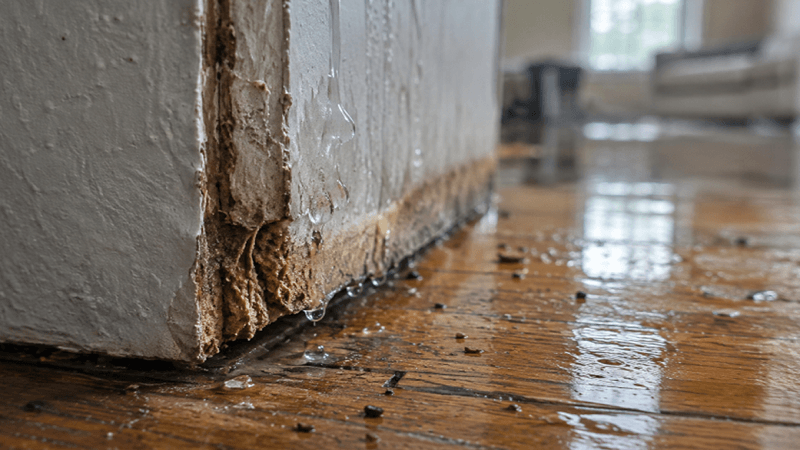
Water removal should begin promptly once conditions are safe. A small clean-water leak may be manageable with towels, a wet vacuum, fans, and a household dehumidifier. Larger losses may require pumps, extraction equipment, and moisture monitoring. Outdoor floodwater and sewage backups require extra caution because they may contain contaminants. Porous materials can retain moisture long after surfaces seem dry. Carpet padding, insulation, cardboard, swollen drywall, and upholstered items may need removal when they cannot be cleaned and dried completely. Do not leave soaked materials in place simply because they are no longer visibly wet.
Drying the Home Thoroughly
Drying is more than opening windows and aiming fans at the floor. Moisture can remain behind baseboards, beneath flooring, inside wall cavities, under cabinets, and around insulation. Rebuilding over damp materials can lead to odor, mold growth, and premature material failure.
Suggested Drying Steps
- Remove standing water, wet debris, and unsalvageable porous materials.
- Open safe areas that allow air to reach wet surfaces.
- Use properly placed fans and dehumidifiers when conditions allow.
- Check hidden areas with suitable moisture-detection tools.
- Continue drying until affected materials have returned to an acceptable moisture condition.
- Delay new drywall, flooring, trim, or paint until drying is complete.
Mold, Sewage, and Indoor Air Risks
Floodwater can bring mud, bacteria, chemicals, and sewage into a building. Damp materials can also support mold growth if drying is delayed. Keep children, older adults, pregnant people, and anyone with breathing conditions away from active cleanup areas when possible. Wear gloves, goggles, protective clothing, and appropriate respiratory protection for dusty or mold-affected work. Never mix bleach with ammonia or other cleaners, and do not paint over moldy or damp surfaces. Visible mold is usually a signal to address the moisture source and remove or clean affected material. Extensive contamination, exposure to sewage, or suspected hidden mold can justify a professional assessment and remediation.
A Room-by-Room Cleanup Plan
Basements and Crawl Spaces
Check for standing water, foundation issues, wet insulation, sump pump issues, and affected electrical equipment. If a basement is heavily flooded, pumping water out too quickly can create pressure differences around foundation walls, so seek guidance before using high-capacity pumping equipment.
Kitchens, Bathrooms, and Laundry Areas
Discard food touched by floodwater. Inspect lower cabinets, flooring, appliances, supply lines, drains, toilets, water heaters, and washing machines. A backup involving wastewater requires more extensive sanitation than a clean supply-line leak.
Bedrooms, Living Areas, Garages, and Utility Rooms
Sort furniture, mattresses, books, toys, clothing, electronics, tools, and stored belongings based on whether they can be safely cleaned and fully dried. Avoid handling leaking fuel, paint, pesticides, batteries, or unknown chemical containers. Contact local disposal authorities for direction when hazardous materials are involved.
Insurance, Contractors, and Repairs
Separate emergency mitigation from permanent reconstruction. Stabilize the property, document damage, remove unsafe materials, and dry the structure before approving cosmetic repairs. Before hiring a contractor, ask whether the business is licensed or registered where required, insured, willing to provide a written scope and estimate, and able to explain how moisture will be measured. Be cautious of pressure to sign immediately, vague contracts, or unusually large upfront payments.
Knowing When It Is Safe to Return
A safer return means more than a clean appearance. The structure should be stable, electrical and gas systems should be cleared for use, contaminated materials should be removed, and wet building materials should be dry. Strong musty odors, visible mold, damaged wiring, or unsafe heating and cooling equipment are reasons to delay normal occupancy until the issue is resolved.
Common Flood Recovery Questions
How soon should the cleanup begin?
Begin once the property is safe to enter. Early water removal can limit damage, but electrical, structural, and contamination hazards come first.
Can wet drywall be saved?
It depends on the water source, the extent of saturation, the speed of drying, and whether the material has swollen or become contaminated. Floodwater-affected drywall often requires removal.
Should fans be used right away?
Fans can assist with clean-water drying. Where visible mold or heavy contamination is present, uncontrolled airflow may spread particles, so cleanup conditions should be evaluated first.
Is mold testing always necessary?
No. When mold is visible, locating and correcting the moisture problem is generally more important than testing the air.
How long does flood recovery take?
Small losses may be resolved in days, while significant flooding can take weeks or longer because drying, inspections, material removal, insurance decisions, permits, and reconstruction occur in stages.
Conclusion
Flood recovery in Salt Lake City requires a careful balance of safety, documentation, cleanup, drying, and repair. Homeowners should first protect people and pets, confirm that the property is safe to enter, and document damage before removing affected belongings when conditions allow. Prompt water removal and thorough drying are important, especially in hidden areas where moisture may remain behind walls, under flooring, or inside insulation. Floodwater, sewage, mold, electrical damage, and structural concerns may require additional precautions or professional assistance. Insurance records, receipts, photographs, and written repair estimates can also help keep the recovery process organized. Most importantly, permanent repairs should wait until the affected structure and materials have been properly evaluated and are sufficiently dry. Taking a deliberate approach can help homeowners reduce further damage, make informed repair decisions, and move from emergency cleanup to a safer, more complete restoration.