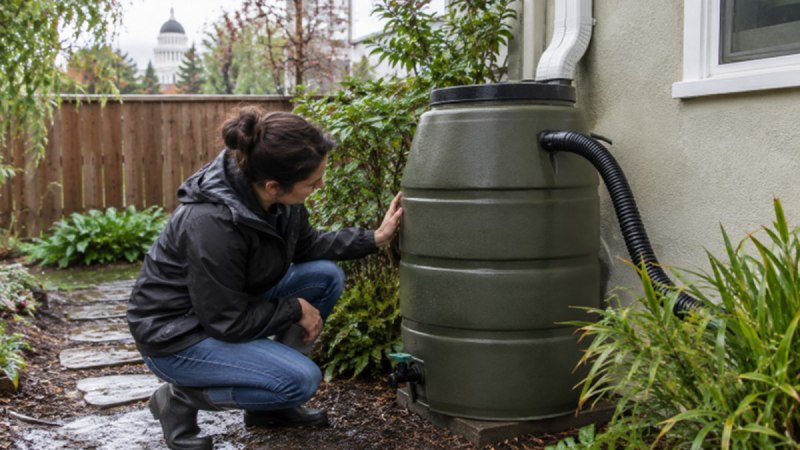
Sacramento homes experience long dry stretches along with periods of concentrated rainfall, so roof runoff needs a clear path from the roofline to a safe discharge area. Whether the goal is better drainage, a healthier landscape, or a simple rain barrel, homeowners who need to install gutters in Sacramento should begin by treating gutters, downspouts, storage, and overflow as one connected system.
A collection setup can help put rainfall to work in the yard, but it should never create water problems near the home. Proper maintenance and thoughtful routing help protect walkways, planting areas, siding, and soil around the foundation.
Why Rainwater Management Matters
When water repeatedly lands in the same area, it can wash away mulch, erode bare soil, create slippery surfaces, and keep the ground near a structure wetter than intended. Good drainage is not only about catching water. It is about directing it to a suitable location after it leaves the roof.
As gutter and downspout guidance from the Building America Solution Center explains, roof runoff should be carried away from the home to reduce soil saturation near the foundation. A blocked gutter, disconnected elbow, or poorly aimed extension can interrupt that goal quickly.
How a Home Rainwater System Works
A basic system follows a straightforward route: water falls on the roof, enters the gutter, moves through a downspout, passes a screen or filter, and either reaches a storage container or drains to a designated area. A first-flush diverter can send the initial runoff, which may carry dust and debris, away from the tank.
Every system also needs an overflow route. Once a barrel or tank is full, excess water must leave without backing up into the gutter or pooling beside the house.
Inspect the Roof and Gutters First
Inspect the collection surface before purchasing a barrel or tank. Look for sagging gutter sections, loose fasteners, open seams, staining below the roof edge, damaged downspout connections, and soil erosion where water currently lands. During the next rain, observe whether water flows steadily or spills over the gutter edge.
Remove leaves, twigs, roof grit, and other debris that can restrict flow. If the roof has active leaks, deteriorating materials, or contamination concerns, address those issues before relying on it as a collection surface.
Plan Downspout and Overflow Routes
Map each downspout before changing its route. The discharge area should slope away from the structure and should not send water across a walkway, toward a basement entry, onto an unstable slope, or onto a neighboring property. A splash block, rock-lined area, extension, or properly designed drainage feature can reduce erosion at the outlet.
Test both the normal outlet and the overflow route during rainfall. A rain barrel does not replace drainage. It only stores a portion of the runoff until it reaches capacity.
Choose the Right Storage Option
A rain barrel can suit small garden beds, containers, and routine outdoor tasks. Linked barrels provide additional capacity, while above-ground tanks hold more water but need a strong, level base. Underground cisterns preserve yard space but generally require more extensive planning, excavation, and installation work.
Questions to Ask Before Buying
- How much roof area drains to this downspout?
- Can the selected base safely support a full container?
- Will the tank be easy to access, clean, and use?
- Where will overflow go during a heavy storm?
- Will freezing weather affect exposed hoses, fittings, or stored water?
Use Collected Water Safely
Rainwater collected from a roof is not automatically suitable for drinking, cooking, bathing, or brushing teeth. Roof materials, dust, wildlife droppings, insects, and storage conditions can affect water quality. Guidance on collecting rainwater at home emphasizes using appropriate treatment and following local requirements for any use beyond basic outdoor applications.
For many homeowners, suitable uses include watering ornamental plants, rinsing outdoor tools, and supporting non-edible landscaping. Keep containers covered, screen openings against debris and insects, and make sure children and pets cannot access stored water unsupervised.
Build a Seasonal Maintenance Plan
Spring and Summer
- Clear winter debris from gutters, screens, and filters.
- Check barrel bases, valves, hoses, and overflow connections for leaks or shifting.
- Watch for algae, mosquitoes, and standing water around the container.
- Use stored water regularly so the system has capacity for future rainfall.
Fall and Winter
- Clean gutters more often when leaves are dropping.
- Trim branches that deposit excessive debris on the roof.
- Test downspouts and overflow routes before larger storms.
- Drain or disconnect equipment that could be damaged by freezing temperatures.
Common Mistakes to Avoid
- Placing a full barrel on an uneven or weak base.
- Installing storage without planning for overflow.
- Leaving tank openings uncovered.
- Allowing water to pool beside the foundation.
- Skipping gutter cleaning and downspout checks.
- Using untreated collected water for food preparation or drinking.
- Connecting rainwater equipment to household plumbing without proper safeguards and approvals.
When to Call a Professional
Professional help may be appropriate for steep or high roofs, gutters that are pulling away from the roofline, persistent water near the foundation, underground drainage work, large tanks, cisterns, or plumbing connections. An experienced installer can also help when drainage changes affect grading, hardscape, or existing utilities.
Frequently Asked Questions
Can a rain barrel replace a home drainage system?
No. It can hold some runoff, but functioning gutters, downspouts, and a reliable overflow route remain necessary.
How often should gutters be checked?
Check them seasonally and more often if nearby trees shed leaves, needles, or seeds onto the roof. Inspect promptly after visible overflow during rain.
Is collected rainwater safe for vegetable gardens?
That depends on the roof, collection setup, local guidance, and how the water is applied. Use extra care when water may contact edible portions of plants.
Do local rules apply to rainwater collection?
They can. Confirm local rules before altering drainage patterns, installing large storage equipment, or connecting collected water to plumbing.
Conclusion
A dependable Sacramento rainwater setup starts with drainage, then adds storage. By maintaining gutters, directing downspouts carefully, securing storage containers, and planning for overflow, homeowners can make practical use of rainfall while reducing avoidable moisture concerns around the property.