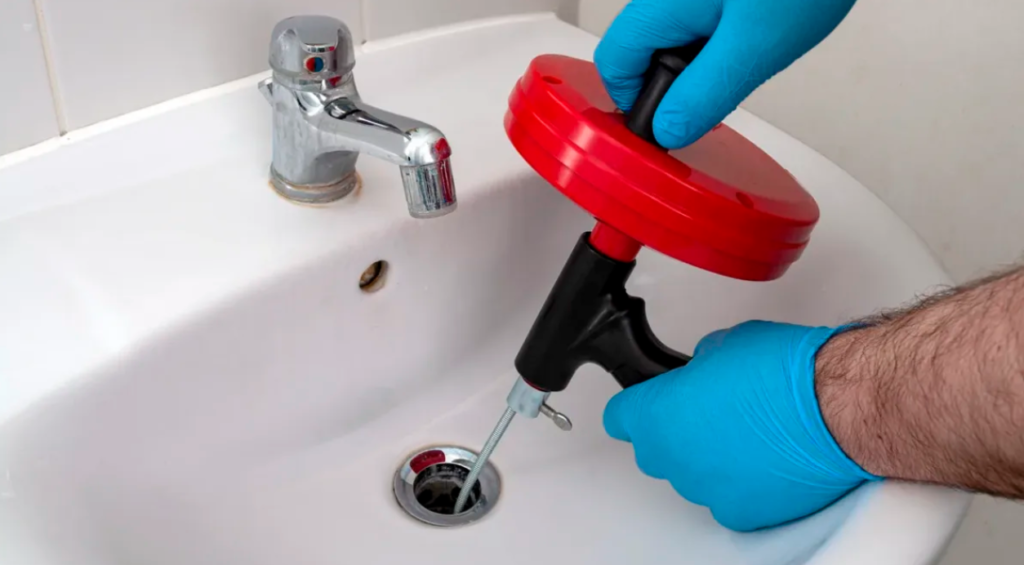
A slow-draining sink, backed-up bathtub, or clogged shower can quickly become a frustrating household problem. While chemical drain cleaners may seem like an easy solution, they do not always remove stubborn blockages. One of the most effective tools plumbers use to deal with difficult clogs is a plumbing snake.
But how does a plumbing snake work, and why is it often more effective than traditional drain-cleaning methods? Understanding this simple yet powerful tool can help homeowners make better decisions about plumbing maintenance, avoid unnecessary damage, and know when professional assistance is needed.
In this guide, we explain how plumbing snakes operate, the different types available, how to use one safely, and when to call a professional plumber.
What Is a Plumbing Snake?
A plumbing snake, also known as a drain auger, is a flexible tool designed to remove blockages inside drainage pipes. It usually consists of a long metal cable with a handle or motor at one end and a specially designed tip at the other.
Unlike a plunger, which uses pressure to loosen a blockage, a plumbing snake physically reaches the obstruction. Depending on its design, the cable can break apart debris, grab unwanted material, or push through accumulated buildup.
Plumbing snakes come in different sizes, making them useful for household sinks, showers, bathtubs, toilets, and larger drainage systems.
How Does a Plumbing Snake Work?
A plumbing snake works by feeding a flexible cable into a drain until it reaches the blockage. The cable is then rotated manually or with a motor, allowing its cutting or gripping head to interact with the material causing the obstruction.
Here is how the process generally works:
1. Inserting the Cable
The plumber first places the snake’s cable into the drain opening. The cable is gradually pushed through the pipe, following its curves and bends.
Its flexibility allows it to travel through plumbing sections that would be difficult to reach with rigid cleaning tools.
2. Locating the Blockage
As the cable moves forward, the user may feel resistance when it encounters a clog. This resistance can indicate accumulated hair, food waste, grease, paper products, or another obstruction.
Experienced plumbers use this feedback to determine how to proceed without applying excessive force.
3. Rotating the Snake
Once the cable reaches the blockage, the handle is turned or the motor is activated. The rotating movement helps the snake’s tip penetrate, loosen, or break apart the obstructing material.
Some attachments are designed to grab debris so it can be pulled out of the pipe.
4. Removing or Breaking Up Debris
Depending on the type of clog and snake attachment, the obstruction may be extracted or broken into smaller pieces that can move through the drainage system.
5. Flushing the Drain
After removing the cable, the plumber checks whether water flows normally. Running water helps identify whether the blockage has been cleared or whether additional cleaning is necessary.
Different Types of Plumbing Snakes
Not every plumbing snake is designed for the same job. Choosing the correct type helps improve cleaning results and reduces the risk of damaging pipes.
1. Handheld Drain Snake
A handheld drain snake is a basic tool commonly used for minor household clogs. It has a manually operated cable and is suitable for bathroom sinks, shower drains, and similar fixtures.
It is affordable, easy to store, and useful for homeowners who want to handle occasional blockages.
2. Toilet Auger
A toilet auger is specially designed to clear toilet blockages. It features a protective sleeve that helps prevent the metal cable from scratching or damaging the porcelain bowl.
Its curved design allows it to reach obstructions inside the toilet’s built-in trap.
3. Electric Drain Snake
An electric drain snake uses a motor to rotate the cable. It is generally more powerful than a handheld model and can handle tougher blockages in suitable pipes.
Professional plumbers often use electric machines for longer drain lines and recurring obstructions.
4. Drum Auger
A drum auger stores its cable inside a protective drum. This design helps control the cable during operation and makes handling easier.
Some models are intended for homeowners, while larger versions are commonly used by plumbing professionals.
Common Problems a Plumbing Snake Can Fix
A plumbing snake can handle several types of drain blockages, depending on the tool’s size and attachment.
Common examples include:
- Hair buildup: Hair frequently collects inside bathroom sink and shower drains.
- Grease accumulation: Cooking grease can stick to kitchen pipe walls and trap food particles.
- Soap residue: Soap deposits can combine with hair and dirt to restrict water flow.
- Food debris: Small food particles may collect inside kitchen drain traps.
- Paper buildup: Excessive toilet paper can contribute to toilet blockages.
- Foreign objects: Certain small objects may become lodged inside accessible drain sections.
However, a plumbing snake cannot solve every drainage problem. Collapsed pipes, severe root intrusion, and damaged sewer lines may require specialized equipment or repairs.
How to Use a Plumbing Snake Safely
Using a plumbing snake is relatively straightforward, but incorrect handling can damage pipes or cause injuries.
Follow these basic steps:
- Choose the correct tool: Select a small drain snake for sinks and showers or a toilet auger for toilets.
- Prepare the area: Wear protective gloves and place a bucket or towels nearby to catch dirty water.
- Insert the cable carefully: Feed the cable into the drain without forcing it.
- Rotate slowly: Turn the handle gently when you encounter resistance.
- Remove the blockage: Pull the cable back carefully, especially if its tip has collected debris.
- Test the drain: Run water to check whether normal drainage has returned.
Avoid forcing the cable through a blockage. Excessive pressure can damage older pipes, loosen fittings, or make the situation worse.
Also, never operate a powered drain snake near standing water or without following the manufacturer’s electrical and safety instructions.
How Does a Plumbing Snake Work Better Than a Plunger?
Both tools help clear clogged drains, but they operate differently.
A plunger creates pressure and suction to loosen obstructions. It is often effective for simple toilet and sink clogs located relatively close to the drain opening.
A plumbing snake physically reaches deeper into the pipe and interacts directly with the blockage.
For example, a plunger may struggle with a large hair buildup inside a shower drain. A drain snake can reach that material and pull it out.
Neither tool is automatically better in every situation. The right choice depends on the location, type, and severity of the blockage.
When Should You Call a Professional Plumber?
Although many minor clogs can be handled with a household drain snake, some situations require professional attention.
Consider contacting a licensed plumber if:
- Multiple drains are backing up simultaneously.
- Water returns through a bathtub or floor drain when another fixture is used.
- You notice sewage odors coming from drains.
- The blockage repeatedly returns after cleaning.
- The snake becomes stuck inside the pipe.
- You suspect tree roots or damaged sewer lines.
A professional may use a motorized auger, inspection camera, or hydro-jetting equipment to identify and resolve the underlying problem.
Tips for Preventing Future Drain Clogs
Preventive maintenance can reduce the likelihood of recurring plumbing problems.
- Install hair catchers in showers and bathroom sinks.
- Avoid pouring cooking grease or oil down kitchen drains.
- Dispose of food scraps in the trash or compost.
- Flush only toilet paper and human waste.
- Clean removable drain covers regularly.
- Address slow drainage before it becomes a complete blockage.
Regular maintenance is usually less expensive and easier than dealing with a major plumbing emergency.
Conclusion
A plumbing snake is a practical tool for removing stubborn drain blockages without relying on harsh chemical cleaners. Its flexible cable reaches inside pipes, while its rotating tip breaks apart or captures materials responsible for restricted water flow.
Understanding how does a plumbing snake work helps homeowners recognize when this tool is appropriate and how to use it responsibly. While handheld models can solve many everyday drainage problems, recurring clogs, sewer backups, and damaged pipes should be evaluated by a qualified plumbing professional.
Frequently Asked Questions (FAQs)
1. Does a plumbing snake actually remove clogs?
Yes. A plumbing snake can break apart, loosen, or pull out materials blocking a drain. Its effectiveness depends on the type and location of the obstruction.
2. Can a plumbing snake damage pipes?
Yes, improper use can damage certain pipes, particularly older or fragile plumbing systems. Using the correct snake and avoiding excessive force helps reduce this risk.
3. How deep can a plumbing snake reach?
The reach depends on the cable length and model. Small handheld snakes may reach a few feet, while professional drain machines can access much longer sections of pipe.
4. Is a plumbing snake better than chemical drain cleaner?
A plumbing snake physically removes or breaks up obstructions, while chemical cleaners attempt to dissolve certain materials. Snaking is often preferable for hair and solid debris because it avoids introducing harsh chemicals into the plumbing system.
5. Can I use a plumbing snake in a toilet?
Yes, but you should use a toilet auger rather than an ordinary drain snake. Its protective design helps prevent scratches and damage to the porcelain surface.
6. How often should I snake my drains?
There is no universal schedule. Most homeowners only need to snake a drain when they notice slow drainage or a blockage. Regular cleaning and preventive habits can reduce the need for frequent snaking.
7. Why does my drain keep clogging after snaking?
Recurring clogs may indicate grease buildup, mineral deposits, tree roots, damaged pipes, or an obstruction farther down the drainage system. A professional inspection can help identify the underlying cause.