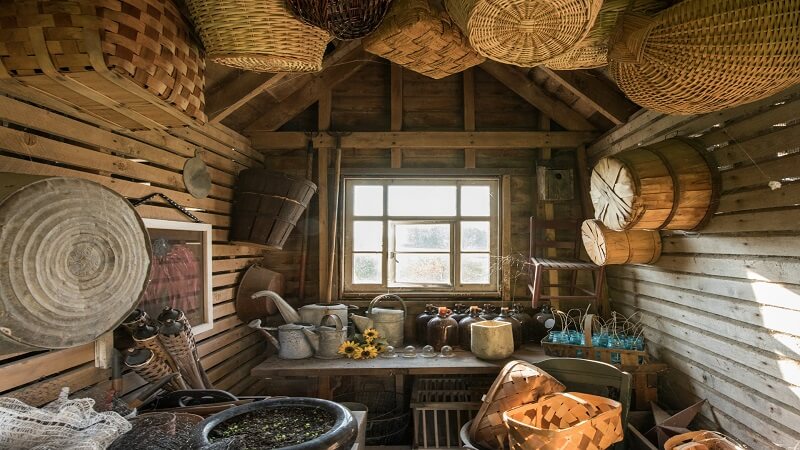
If you want to get the most out of your garden, organizing your tools and supplies is just as important as planting, watering, or pruning. Put simply: when it’s easy to grab what you need and everything has a place, chores don’t drag out and your gear doesn’t fall apart. Gardeners who keep their stash organized spend a lot more time actually gardening and a lot less time searching for things. Doesn’t matter if you’re raising veggies, working on flower beds, or tackling a whole yard – smart storage makes the whole process smoother (and a lot more fun).
Why Garden Storage Really Matters
People will spend hours choosing plants, mixing compost, and figuring out irrigation. But most barely give storage a second thought. It shows, too: rusty shovels left outside, supplies gone to waste, tools ruined by rain. Leave a shovel in the yard, and you’ll be scraping off rust in no time; toss seed packets somewhere damp, and you might as well toss them completely.
When your storage makes sense, everything else runs better. You don’t lose your rhythm hunting for gloves, pruners, or watering nozzles mid-project. You also keep sharp tools and chemicals out of reach of kids and pets. A tidy storage setup is about safety, too. Plus, you never have to wonder where you put that one expensive trowel.
Potting Bench Storage
If you’ve got a potting bench, that’s your main station for everything from starting seeds to cleaning up tools. Put shelves underneath for heavy pots, trays, bags of mix, watering cans – all the clunky stuff. Keep the little things – labels, twine, scissors – on shelves above where you work.
This kind of setup keeps everything in reach, skips endless back-and-forth trips, and prevents mess from building up. Honestly, a well-organized potting bench means you can fly through all the dirty jobs with a lot less fuss.
Many gardeners also benefit from a heavy-duty workbench with built-in drawers. Unlike a basic potting bench, a sturdy workbench provides a durable surface for repairing tools, assembling trellises, dividing plants, and handling other garden projects. The drawers keep hand tools, fasteners, plant labels, pruning supplies, and other small items organized and protected from dust and moisture.
Garden Sheds and Storage Cabinets
Having a dedicated space – like a shed or big cabinet – is a real game-changer. Even a small shed can swallow up rakes, shovels, wheelbarrows, lawn gear, and those heavy bags of mulch you never want to lug twice.
It pays to think ahead: you’ll end up with more equipment over time, so opting for extra space is rarely a regret. Use wall racks, shelves, and maybe some ceiling hooks to pile more into the same spot, rather than thinking you need a giant building.
Also, don’t skimp on weather protection. You want your shed to shut out rain, snow, and harsh sun. Letting your gear sit in damp air is pretty much asking for rust or mold.
Wall Storage for Long-Handled Tools
Long shovels, hoes, and rakes have a way of ending up in a heap, tumbled in some corner or falling over on your foot. Hanging them up fixes this – mounted hooks or tool rails on the wall turn that mass of handles into tidy rows you can actually see and grab.
This vertical approach also frees up floor space, so you can walk without tripping. Even better, tools last longer when they’re not banging together; wooden handles don’t crack as easily, and you keep the metal from unnecessary dents. This is especially helpful if your storage is tight and every inch counts.
Keeping Hand Tools in Check
The little equipment – trowels, pruners, weeders – moves around more than anything. By the end of the day, it’s pretty common to find a pruner in the flowerbed and a weeder under a bush. Portable garden caddies make life easier: toss your go-to tools in one, tote it around, and at the end of the day, everything goes back in, no wandering required.
Drawers or toolboxes with simple dividers work, too. Sort by task if you want, and labels help if you’re sharing space with family or roommates. That way, nobody winds up digging through a pile just to find a missing pair of shears.
Seed Storage That Keeps Seeds Alive
Seeds are high-maintenance in their own way. Too much heat, light, or moisture will kill their chances of sprouting next season.
Most seeds do best in a cool, dry, and dark place. Seal them in airtight containers or jars, or get one of those seed storage boxes if you’re big into collecting. Pro gardeners often keep their seeds inside the house (not in a hot shed), since wild swings in temperature will ruin them.
It’s not just about keeping them alive, but finding what you need when it’s planting time. Sort by type or planting date, and keep a quick inventory list. Saves you from buying the same seeds twice – and keeps the whole process sane.
Weatherproof Outdoor Storage Boxes
Not all your gear should live in the shed, especially if you’re tired of traipsing across the yard five times a day. Durable outdoor storage boxes fit right near planting beds or patios, holding gloves, hand tools, stakes, or kneeling pads safe from rain or sun.
Go for designs with strong closures and weather-resistant materials. Good ones keep out water, bugs, and whatever else the weather throws your way – handy for bigger gardens where the shed is a hike from the action.
Hose and Irrigation Storage
Nothing clutters a path like a stray hose. If you leave it out, it’ll end up split, tangled, or tripping you in the dark. Wall-mounted hose reels or wheeled carts let you reel hoses in and out fast and keep them in one piece.
Don’t overlook spare parts, either: drip emitters, extra sprinkler heads, timers – all the tiny bits that get lost in drawer chaos. Separate bins or organizers make all the difference when you need them for repairs.
Safe Places for Fertilizers and Chemicals
You don’t want fertilizers and pesticides out where anyone (or anything) can get to them. These need locked cabinets – dry and away from heat. Always keep everything in its original container; you don’t want to lose safety instructions or warning labels.
It also makes sense to separate any chemicals from seeds, fresh vegetables, and your regular gardening stuff. That simple move helps you avoid contamination and keeps your gardening safer overall.
Managing Seasonal Equipment
Gardening isn’t the same month to month, so your storage should adapt. The gear you use constantly in spring often sits out in the winter, and pruners might go months without being touched.
Do a cleanup at the end of the busy season: wash tools, fix what’s broken, and stash off-season items out of the way. Keep whatever you reach for most somewhere easy. It’ll keep clutter from taking over and get you ready for next season – plus, you’re less likely to get stuck with broken gear when the time comes to use it again.
Conclusion
A well-organized garden isn’t only easier to work in – it saves your tools, keeps supplies in decent shape, and turns daily gardening into less hassle. Whether it’s a shed, hooks on the wall, seed containers, a potting bench, or just a solid outdoor box, having spots for everything you need – and keeping them sorted – means more actual gardening and less time cleaning up after yourself.