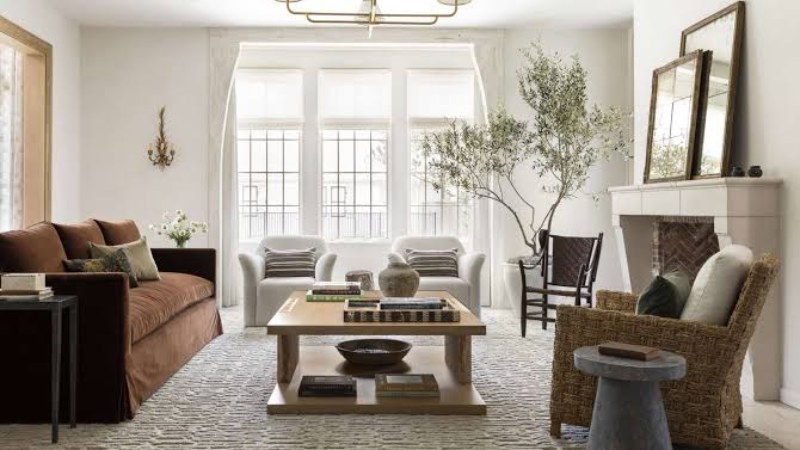
The best home decor advice for 2026 focuses on warmth, texture, and personal expression over rigid trends. Key shifts include earthy color palettes replacing stark whites, tactile natural materials, layered ambient lighting, and a “collected” approach to decorating that prioritizes meaning over matching.
Your home should feel like you—not a showroom, not a Pinterest board copied wholesale. Yet for most people, decorating feels overwhelming. Where do you start? How do you pick colors that work together? What actually makes a space feel pulled-together rather than thrown-together?
This guide cuts through the noise. Drawing on insights from leading interior designers, it covers the most impactful home decor advice you can act on right now—whether you’re refreshing a single room or rethinking your entire space.
What Are the Biggest Home Decor Trends Shaping 2026?
Before diving into specific advice, it helps to understand the broader direction design is heading. According to principal designer Abby Powell of House of AP, interiors are moving away from stark, overly bright spaces toward something warmer and more atmospheric. “We’re seeing warmer plaster tones, olive, clay, mushroom, muted saffron, dusty blues, and richer wood tones replacing stark white interiors,” Powell notes (Good Housekeeping, 2026).
The overarching theme? Spaces that feel lived-in, layered, and personal.
How Do You Choose a Color Palette That Works for Your Home?
Color is the single most transformative element in any room—and also the most intimidating. The good news: the current direction in interior design makes choosing easier.
Move toward earthy, muted tones. Neutral doesn’t have to mean beige. Think warm plaster, soft olive, dusty clay, and muted saffron. These colors work across different lighting conditions and age well over time. They also pair naturally with each other, which makes mixing and matching furniture and accessories far less stressful.
Don’t ignore the ceiling. Interior designer Leah Hook, founder of Gray Oak Studio, points out that color is finding its way onto what designers call the “fifth wall.” “You’ll see subtle and bold colors finding their way onto ceilings,” she says (Good Housekeeping, 2026). A painted ceiling adds depth and character to a room without requiring a furniture overhaul.
Bold accents work best in kitchens. If an all-over color commitment feels like too much, the kitchen backsplash is a low-risk, high-impact place to experiment. Hook predicts colorful backsplashes—ranging from navy blue to olive green—will gain significant momentum.
What Types of Materials Create a Cozy, High-Quality Feel?
Material choices determine how a room feels to be in—not just how it looks in photos. Powell identifies a clear preference among her clients for surfaces that feel natural and lived-in. “Honed stone, limewash, textured plaster, unlacquered metals, aged wood, and linen with visible texture all make a space feel softer and more collected,” she explains (Good Housekeeping, 2026).
A few practical tips for incorporating tactile materials:
- Swap polished for honed. Honed stone surfaces on countertops or coffee tables have a matte, softer appearance that reads as more relaxed and sophisticated than high-gloss finishes.
- Layer different textures. Combine a linen sofa with a chunky wool throw, a wooden side table, and a stone lamp base. The contrast between textures adds visual richness.
- Choose aged wood over light oak. Powell notes that darker walnut tones and medium-stained woods are returning because people crave warmth and contrast. “Even in lighter homes, there’s more balance now instead of washing every surface out.”
How Does Lighting Affect the Mood of a Room?
Most rooms are over-lit. Rows of recessed ceiling lights create a flat, clinical atmosphere—fine for a hospital, not ideal for a home. Powell has been tracking a meaningful shift: decorative and ambient lighting is replacing what she calls “overly recessed spaces.”
“There’s a huge shift toward ambient lighting and homes that feel calmer at night,” she says. “I’m seeing more portable lamps in kitchens, paper lantern pendants, sculptural sconces, and layered lighting overall.”
The practical takeaway is straightforward: add more lamp sources, reduce reliance on overhead lighting, and vary the height at which light enters a room. A floor lamp in a corner, a table lamp on a sideboard, and a pendant over a dining table creates far more atmosphere than a single ceiling fixture ever could.
What Does “Collected” Decorating Mean, and Why Does It Work?
One of the most repeated phrases in 2026 interior design circles is the idea of a “collected” aesthetic. Powell describes it as “more restrained global influence”—subtle nods to Scandinavian simplicity, Belgian restraint, Mediterranean warmth, or Japanese minimalism, layered together in a way that feels personal rather than themed.
The key distinction: a collected space looks like it was assembled over time, not purchased in one afternoon. Mixing vintage frames with contemporary furniture, adding a stone table alongside a linen sofa, or displaying objects from different eras and origins creates a room that feels genuinely inhabited.
Designer Emily Henderson’s team identified thick, vintage-feeling picture frames as a standout trend in this space. Thicker gilded or antique-style frames add “instant vintage charm and soul plus visual depth” to a room—particularly effective against busier, patterned wallcoverings (stylebyemilyhenderson.com, 2026).
Which Furniture Pieces Have the Most Impact in 2026?
A few specific furniture choices are resonating strongly with designers right now:
- Stone tables. Hook describes stone side tables, coffee tables, and dining tables as both on-trend and highly functional. “Stone is both performance and organic. The livability and the one-of-a-kind nature are both as on-trend as it gets.”
- Bar carts. A portable bar cart in a dining room, sitting room, or even a home office adds color, function, and personality. It’s an easy way to display interesting glassware and inject character without a major investment.
- Soft silhouettes. Furniture with curved edges, relaxed shapes, and organic forms is replacing the sharp, angular pieces that dominated the previous decade. Powell describes it as “less visual harshness”—spaces that feel calmer and more inviting as a result.
What’s the Easiest Way to Refresh a Room Without Redecorating?
Not every improvement requires a renovation budget. Some of the most effective home decor changes are surprisingly accessible:
- Add a patterned rug. Stripes, in particular, are having a moment. Hook calls them “as classic as it gets without feeling ornate or old-fashioned,” predicting they’ll appear across wallpaper, machine-washable rugs, fabrics, and decor year-round.
- Reframe your art. Swapping thin, modern frames for thicker, vintage-style alternatives can transform how artwork reads in a space—especially in rooms with more decorative wallpaper or richer color palettes.
- Replace overhead lighting with lamps. As noted above, this single change can dramatically shift the feel of a room at night.
- Introduce one natural material. A stone object, a linen cushion, or an aged wood tray on a coffee table adds texture and warmth without disrupting an existing scheme.
Start Small, See the Difference
Great home decor doesn’t happen all at once. The most satisfying spaces are built gradually—one considered choice at a time. Start with color, get the lighting right, then layer in materials and objects that reflect who you are and what you’ve collected over time.
The rooms that feel best to be in aren’t the ones that look the most finished. They’re the ones that feel the most real.
Frequently Asked Questions
What is the most important element of home decor?
Lighting is widely considered the most impactful element. It affects how colors, textures, and furniture appear at all times of day. Layering multiple light sources—table lamps, floor lamps, pendants—creates warmth and dimension that overhead lighting alone cannot achieve.
What are the best home decor colors for 2026?
According to interior designers cited by Good Housekeeping (2026), the most recommended colors include warm plaster tones, olive, clay, mushroom, muted saffron, and dusty blues. These earthy, muted tones are replacing stark whites and overly bright palettes.
How do I make a small room feel bigger with decor?
Use a cohesive color palette to reduce visual clutter, choose furniture with slim profiles and soft silhouettes, and add mirrors to reflect light. Avoid heavy, dark window treatments that block natural light.
Is it better to invest in furniture or decor accessories?
Invest in furniture for longevity and structural pieces—sofas, beds, dining tables—where quality materials make a tangible difference. Use accessories and decor objects to inject personality and update a space affordably over time.
What does “tactile” mean in home design, and why does it matter?
Tactile refers to materials that have a noticeable texture or physical quality—linen, honed stone, aged wood, textured plaster. These materials make a space feel grounded and inviting because they engage multiple senses, not just sight.