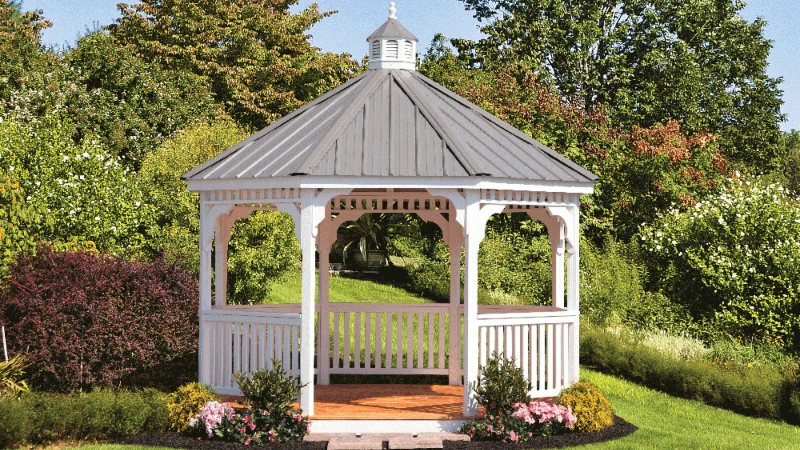
You’ve decided to add a gazebo to your backyard. Smart move. A gazebo transforms ordinary outdoor space into somewhere you actually want to spend time. But before you get too far into the daydream, there’s a decision you’ll need to make early on: wood or vinyl?
If you’ve been browsing custom backyard gazebos, you’ve probably noticed that both materials show up constantly. They’re both popular. Both look great in photos. And both have loyal fans who will tell you their choice is the obvious one.
The truth is, neither material is universally better. The right choice depends on your lifestyle, your home, your yard, and how much time you realistically want to spend on upkeep. This guide breaks down both options honestly so you can make the decision that actually fits your situation.
What Is a Wood Gazebo?
A wood gazebo is exactly what it sounds like. It’s built using natural or engineered wood materials and finished with stain, paint, or a natural sealant. Wood gazebos have been around for centuries, and their staying power is no accident.
There’s a warmth to wood that other materials have a hard time replicating. The texture, the color, the way it ages over time. For many homeowners, a wood gazebo feels like a natural extension of the landscape rather than a structure dropped into it.
Common wood options include pressure-treated lumber, cedar, and engineered wood products like LP SmartSide panels. LP SmartSide in particular has become a popular choice because it combines the look of real wood with significantly better durability. It’s resistant to rot, insects, and moisture, and it holds paint and stain well over time.
What wood gazebos do well:
- Blend naturally with gardens, trees, and traditional home styles
- Accept paint and stain, giving you flexibility to change the look over time
- Feel warmer and more organic in outdoor settings
- Work especially well with homes that have traditional or craftsman architecture
What to keep in mind:
- Periodic staining or sealing is typically required to maintain appearance and protect the wood
- Natural wood is more susceptible to moisture damage if not properly maintained
- Upkeep frequency depends on your climate and the specific wood species or product used
What Is a Vinyl Gazebo?
Vinyl gazebos are built using PVC-based materials that are engineered specifically for outdoor use. The material doesn’t rot, doesn’t absorb moisture, and won’t attract insects. For homeowners who love the idea of a gazebo but not the idea of ongoing maintenance, vinyl is often the answer.
From a distance, a well-built vinyl gazebo can look remarkably similar to a painted wood gazebo. The difference becomes more apparent up close, where vinyl has a smoother, more uniform finish. Depending on your style preferences, that might be exactly what you’re looking for, or it might feel slightly less natural than you’d hoped.
Vinyl holds up exceptionally well in wet climates and areas with high humidity. You won’t need to reseal it or worry about the surface deteriorating after a few harsh winters. A simple wash with soap and water is typically all the maintenance it needs.
What vinyl gazebos do well:
- Require very little ongoing maintenance
- Resist moisture, rot, and insects without any treatment
- Hold their appearance well over time without fading or peeling
- Work well with modern, contemporary, or coastal home styles
What to keep in mind:
- Color options are more limited compared to wood, which can be painted or stained in any shade
- Some homeowners find the appearance less natural-looking in heavily landscaped yards
- Vinyl can show dirt and pollen more visibly than stained wood, requiring more frequent washing in dusty environments
Head-to-Head: The Key Differences
Let’s get specific about how these two materials stack up across the areas that matter most to homeowners.
Appearance
Wood wins on warmth. If your backyard has a cottage garden, mature trees, or a home with natural stone or traditional siding, a wood gazebo tends to look like it belongs there. The texture and grain give it an organic quality that vinyl can’t quite match.
Vinyl wins on consistency. Because it doesn’t change color over time or require periodic refinishing, it tends to look the same five years from now as it does the day it’s delivered. If you like a clean, polished look and don’t want to worry about the finish fading or weathering unevenly, vinyl delivers that reliability.
Maintenance
This is where vinyl has a clear advantage for most people. Wood requires more attention. How much depends on the specific material, your climate, and how well it was finished to begin with. In general, expect to inspect and possibly reseal or restain a wood gazebo every few years to keep it looking and performing its best.
Vinyl asks very little of you. An occasional rinse and you’re done. For busy homeowners or anyone who simply doesn’t want to think about their gazebo’s upkeep, that’s a significant benefit.
Durability
Both materials can last for decades when properly built. The difference lies in what threatens them over time.
Wood is vulnerable to moisture and insects if left unprotected. Engineered wood products like LP SmartSide address many of these concerns, but the material still benefits from periodic maintenance. Natural wood species like cedar are naturally more resistant to rot than pine, but still require care.
Vinyl doesn’t rot, won’t attract termites, and doesn’t need to be sealed against moisture. In wet or humid climates, this is a meaningful advantage.
Customization
Wood is more flexible. You can paint it any color, match your home’s existing trim, stain it darker or lighter, and refinish it completely if you want a new look down the road. That flexibility is appealing if you like options.
Vinyl offers less flexibility in terms of color changes. The color is built into the material, which means you can’t simply repaint it if you decide years later that you want a different look. However, vinyl is available in a range of colors and trim styles that cover most homeowners’ needs.
Cost
Cost varies based on size, design, and the specific products used, so it’s worth requesting a quote for your particular project rather than relying on general estimates. That said, wood gazebos tend to have a lower starting price point, while high-quality vinyl tends to cost more upfront in exchange for lower long-term maintenance expenses.
Which One Is Right for You?
Here’s the honest answer: there’s no wrong choice as long as you choose based on your actual situation rather than what looks best in a catalog photo.
Choose a wood gazebo if:
- You love the look of natural materials and want your gazebo to blend with a garden or wooded setting
- You enjoy maintaining outdoor structures and don’t mind occasional upkeep
- You want maximum flexibility to change the color or finish over time
- Your home has a traditional, craftsman, or farmhouse style
Choose a vinyl gazebo if:
- You want a low-maintenance structure that holds up without regular attention
- You live in a climate with high humidity, heavy rain, or harsh winters
- You prefer a clean, polished appearance that stays consistent over time
- Your home has a modern, contemporary, or coastal aesthetic
A Few Other Things Worth Considering
Think about your climate. Homeowners in the Northeast and mid-Atlantic states deal with wet springs, humid summers, and hard winters. Both materials can handle those conditions, but vinyl requires less active protection against moisture year-round.
Think about your yard’s overall look. A gazebo should feel like it was always meant to be there. Walk your yard and look at your home’s exterior materials. If your house has a lot of natural wood, stone, or earth tones, a wood gazebo will likely feel more cohesive. If your home has white or neutral siding with clean lines, vinyl might match better.
Think about how you’ll use it. A high-traffic entertaining space that hosts cookouts and family gatherings will accumulate scuffs, spills, and general wear faster than a quiet reading nook. Both materials can handle regular use, but knowing how you’ll use your space helps inform other choices like flooring and roofing options.
Think about your timeline. Vinyl costs more upfront but less over time. Wood costs less upfront but requires investment in maintenance products and occasional labor. Over a 20-year horizon, those numbers often come closer together than they initially appear.
The Bottom Line
Wood gazebos and vinyl gazebos are both excellent choices. They solve the same problem, which is creating a beautiful, functional outdoor space, they just go about it differently.
Wood offers warmth, character, and flexibility. Vinyl offers durability, low maintenance, and long-term consistency. Neither material is the default right answer. The best choice is the one that fits how you live, how your yard looks, and how much upkeep you’re genuinely willing to take on.
Spend some time thinking through those questions before you decide. And when you’re ready to move forward, talking to someone who builds these structures regularly will help you avoid the common mistakes and make sure the final product looks exactly the way you envisioned it.