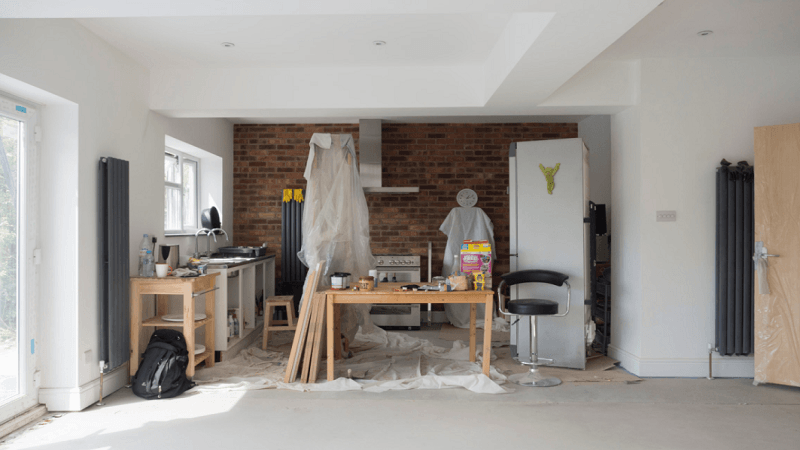
Ever walked into an old house and instantly fallen in love with the character?
Original floorboards, cast iron fireplaces, hand-carved cornices… Original features are what give period homes that je ne sais quoi that new builds will never achieve. But there’s one issue:
Beyond all of that quaintness is usually years of deferred maintenance, antiquated electrical systems, leaky windows and (you betcha) rodent issues.
The good news?
There’s no reason an older house can’t be updated to modern standards. You just have to do it thoughtfully.
Here’s a look at the most common issues faced in period homes, plus pest control and where you should be prioritising renovations.
Here’s What’s Coming Up:
- Common Problems In Period Properties
- Dealing With Pest Control For Rats
- Modernising Without Losing Character
- Smart Upgrades That Add Value
Common Problems In Period Properties
Every period property has its quirks. Some are charming, others are expensive to fix.
The most common issues that homeowners run into include:
- Old drainage systems that crack and leak
- Gaps in brickwork from settling foundations
- Outdated wiring that can be a fire hazard
- Single-pane windows that leak heat
- Poor insulation in walls, floors and lofts
The thing is… Most of these issues co-exist. A crack in your brickwork allows cold air IN and rats easy access. Broken drains crack paving up… becoming superhighways for pests.
Fixing one problem often means fixing several at once.
Which is why a thorough survey before any works begins is essential. So you know what you’re working with before you spend a pound.
Dealing With Pest Control For Rats
Rat problems in period properties are more common than most people think.
Why? Old buildings have hundreds of small access points new ones don’t. Broken Victorian sewers, spaces around lead pipes, cavities where old wiring was routed… rats love them.
They’re everywhere. In fact, figures have been eye-opening. Latest data found that there were more than half a million rat infestations recorded throughout the UK from 2023 to mid-2025. Rentokil even noted there was a year-on-year increase of 10% in confirmed rodent sightings.
If you have an old property you must have an effective pest control for rats strategy in place. Hiring a professional is 9 times out of 10 the right decision. The UK average rat exterminator cost is minuscule compared to the destruction a serious infestation can do to old wiring, plaster and structural timbers. They chew through anything… and it’s expensive.
The best pest control approach usually combines:
- A full inspection of your drains, walls, and loft spaces
- Sealing entry points with rodent-proof materials
- Baiting or trapping to remove any current population
- Ongoing monitoring to catch problems early
Why Period Properties Are More At Risk
Older homes tend to have:
- Original drains made of clay or lead that crack easily
- Suspended timber floors with cavity spaces underneath
- Larger lofts and cellars with plenty of hiding spots
- Older external walls with more gaps and holes
That’s why rodent control should be included in your upgrade scope of work.
Modernising Without Losing Character
This is the balancing act every period property owner faces.
You want your home to feel cozy, safe and updated. But you don’t want to lose the character that made you buy it to begin with.
The good news? It’s absolutely possible to have both.
Here’s how:
Consider upgrading the unseen elements first. Insulation, wiring and plumbing can all be updated without altering the home’s aesthetic. No-one will notice the new insulation under your floorboards but they will feel it when it’s freezing outside. Likewise a shiny new boiler hidden in a cupboard or some new pipework run along the back of walls.
For visible upgrades, always try to:
- Match the original materials where possible
- Repair rather than replace historic features
- Use traditional techniques like lime mortar for old brickwork
- Keep original doors, floors and fireplaces wherever you can
Windows Are A Special Case
One of the worst culprits when it comes to losing heat in period homes is old windows. However, demolishing them and replacing with uPVC alternatives is a big mistake.
You’ll destroy the character AND likely breach planning rules if your home is listed.
Better options include:
- Secondary glazing fitted behind the original windows
- Draft-proofing strips around frames
- Slim-line double glazing in the original sash style
- Heavy curtains for extra winter insulation
Smart Upgrades That Add Value
Not all home improvements have to focus on maintenance. Some improvements can actually ADD value to your home AND improve your quality of life. If you do these things you can increase your home’s value and enjoy living at the same time.
The best value-adding upgrades for period properties are:
- Modern heating systems hidden behind period-style radiators
- Rewired electrics with sockets in sensible places
- Insulated lofts and floors for lower energy bills
- Damp-proofed cellars and ground floors
- A refreshed kitchen and bathroom in a style that suits the property
Damp should be mentioned separately. A lot of period properties suffer with damp as they were built to “breathe” using lime mortar and plaster. Cement-based repairs can seal in moisture and make things worse.
Always use a specialist who understands old buildings before you start any damp treatment.
Don’t Forget The Drains
Here’s something most people overlook…
Your drains on a period property could be well over a century old. Cracked drains lead to damp, subsidence AND pest problems simultaneously. Investing in a CCTV drain survey is one of the wisest things you can do with an older house.
If problems are spotted early, you can:
- Fix small issues before they cause structural damage
- Block off the main entry route for rats
- Improve the overall health of your home
Bringing It All Together
Renovating a period home doesn’t have to be an either-or when it comes to comfort and character. You can have both with a little forethought.
Focus on:
- Sorting out hidden issues first (drains, wiring, insulation)
- Getting on top of pest control for rats before an infestation takes hold
- Preserving visible character features wherever possible
- Using traditional materials and techniques where they matter
- Bringing in specialists who understand old buildings
Owning a period home is a joy. It also comes with obligations. You are, after all, a steward of history. Strike the right balance between old and new and you’ll have a home that is beautiful and livable.
Mind your pennies, budget your renovations wisely, and your old house will stand (and look lovely) for another century.