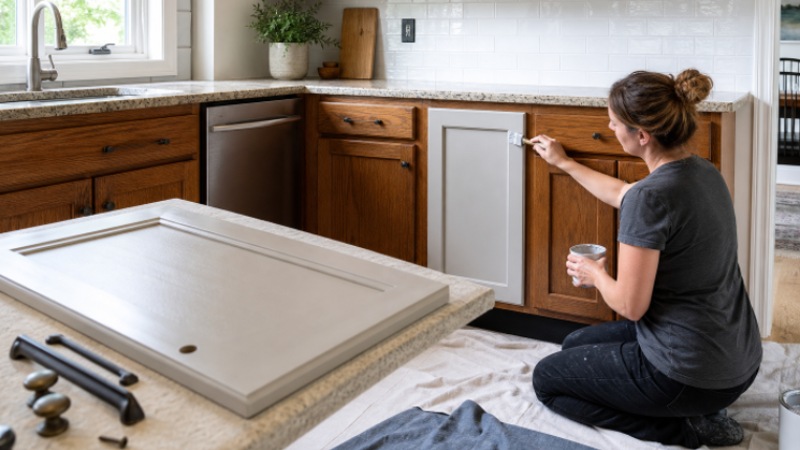
Updating kitchen cabinets can make the entire room feel cleaner, brighter, and more functional. Before committing to a major renovation, homeowners can compare the condition of their cabinets, the limits of the current layout, and the type of change they actually want. A cabinet restoration specialist such as Rusty Rose Restorations can help assess whether existing cabinets are worth preserving or whether a more extensive update is appropriate.
The right choice is not always the most expensive one. Refinishing may be enough when cabinet boxes are solid and the style still works. Refacing can provide a bigger visual transformation without removing the entire cabinet system. Full replacement is often best when water damage, weak construction, or an impractical layout make surface updates a short-term solution.
Start With Cabinet Condition
Cabinet condition should come before color, hardware, or design trends. Strong cabinet boxes can often support refinishing or refacing, while damaged boxes may not hold finishes, new doors, or hardware reliably. Start with the sink base cabinet, where slow plumbing leaks commonly cause hidden swelling, staining, mold, and soft cabinet floors.
A Quick Cabinet Inspection
- Open doors and drawers to check for rubbing, sagging, or poor alignment.
- Look for loose joints, cracked frames, weak shelves, and stripped hinge screws.
- Press gently on cabinet floors and side panels for softness or swelling.
- Check the lower corners, toe kicks, and the sink cabinet for water damage.
- Confirm that cabinet boxes are square and firmly attached to the wall.
Cosmetic wear is usually manageable. Structural movement, extensive moisture damage, or deteriorating particleboard are stronger reasons to consider replacement.
What Cabinet Refinishing Can Do
Cabinet refinishing updates doors, drawer fronts, and surfaces by cleaning, repairing, and applying new stain or paint. It’s practical when the door profile fits the room, cabinet boxes are sound, and the finish is faded, scratched, or outdated. For example, a kitchen with sturdy wood cabinets may keep its original doors, but with a new paint color, hardware, and repair of wear around handles, making a room look different without changing its layout or removing cabinets.
When Cabinet Refacing Makes Sense
Refacing keeps existing cabinet boxes and updates surfaces by replacing doors, drawer fronts, and exposed areas. It can change door styles to Shaker, add hardware, and create a coordinated look without full demolition. Best when layout is useful, storage needs are met, and boxes are solid, it offers a noticeable style change beyond repainting. However, it can’t fix space issues like a cramped work triangle or blocked pathways.
When Full Cabinet Replacement Is Better
Full replacement removes the existing cabinet system and allows changes to cabinet sizes, placement, storage features, and room layout. It is usually the most flexible option, especially when a kitchen renovation already includes new countertops, flooring, appliances, plumbing, electrical work, or wall changes.
Replacement may be the wiser long-term choice when water damage or mold has weakened cabinet boxes, frames have shifted enough that doors no longer align, or the existing materials will not accept the desired finish. It also makes sense when the kitchen lacks drawers, pantry storage, useful corner access, or safe appliance spacing. The trade-off is more planning, greater disruption, and more demolition.
Think About Layout And Storage
Consider how the kitchen operates weekly. Are there enough drawers for tools? Is pantry storage accessible? Do open appliances block walkways? Refinishing and refacing keep most layouts, while replacement can add pull-out shelves, deeper drawers, tall cabinets, better corner storage, or improved appliance placement. A helpful exercise is to note on each door and drawer for several days, marking what works well and what causes frustration. This record helps distinguish between design wishes and practical problems that may require replacement.
Check Materials, Paint, And Finish Quality
Wood, veneer, laminate, and thermofoil cabinets require different prep methods. Durable refinishing relies on thorough cleaning, sanding where needed, bonding primer, controlled application, curing, and final adjustments. Rushed coatings may seem fine initially, but can chip or peel sooner. Always view finish samples in different lights and compare sheen levels; satin offers a softer look, semi-gloss is easier to clean, but shows surface flaws.
Plan For Ventilation And Lead Safety
Cabinet work can create dust, odors, and fumes, particularly during sanding, coating, or demolition. The EPA’s remodeling guidance recommends controlling pollution sources and using appropriate ventilation during home improvement work. Isolate the work area when possible, keep children and pets away from active zones, and ask how dust will be contained and cleaned.
For homes built before 1978, ask whether lead-safe practices will be used before disturbing old painted surfaces. If the renovation includes changes to the cooking area, consider installing an exhaust fan that vents outdoors.
Use A Simple Decision Process
- Inspect the boxes.Identify moisture, movement, and structural damage.
- Review the layout.Decide whether the current arrangement supports daily use.
- Define the goal.Distinguish between a color change, a style change, and a storage change.
- Set a complete budget.Include hardware, trim, countertops, appliances, and cleanup.
- Compare scopes.Ensure every estimate covers the same work before comparing totals.
Choose refinishing when cabinets are in good condition and need a surface update. Choose refacing when the boxes and layout work, but the visible style needs a bigger change. Choose replacement when the cabinet structure, storage, or room layout no longer meets the household’s needs.
Questions To Ask Before Hiring Help
- What materials are my cabinets made from?
- Which surfaces will be repaired, coated, covered, or replaced?
- How will dust, fumes, and cleanup be managed?
- How long should the finish cure before normal use?
- Are hardware, hinges, trim, and final adjustments included?
- How will hidden water damage affect the scope and price?
- What warranty applies to labor and materials?
Final Takeaway
A fresh finish can be the right answer for a sound kitchen with a dated appearance. Refacing can provide a stronger visual update while preserving solid cabinet boxes. Replacement is often the better investment when cabinets are damaged or the layout no longer works. A careful inspection, realistic budget, and detailed written scope can help homeowners choose an update that improves both the look and everyday function of the kitchen.