A drain that clogs once can be frustrating. A drain that keeps slowing down or backing up is usually a sign that something more than a small surface blockage is happening. Hair, soap, grease, food particles, mineral deposits, or an issue farther down the plumbing line can all cause repeat trouble. Knowing the pattern can help you decide whether basic maintenance is enough or whether it is time to arrange sewer drain cleaning and hydro jetting in Salt Lake City. Addressing a recurring clog early may help prevent wastewater backups, water damage, and repeated disruption to your home.
Why A Slow Drain Deserves Attention
A slow drain is often the first stage of a complete clog. When water moves slowly, residue has more time to stick to the pipe walls. That buildup catches additional debris, gradually narrowing the passage until water can barely move through. For example, a bathroom sink may begin draining slowly after months of ordinary use. Toothpaste, soap residue, hair, and grooming products can collect around the stopper or inside the trap. A one-time clog may clear easily, but a sink that slows down every few weeks deserves a closer look.
Common Reasons Drains Clog Again And Again
Recurring clogs often result from a combination of everyday buildup and the condition of the plumbing system. Common causes include:
- Hair and soap residue: Common in showers, tubs, and bathroom sinks.
- Grease and food particles: Frequent causes of kitchen drain blockages. Grease may look liquid when warm, then harden as it cools.
- Mineral scale: Hard-water deposits can collect inside pipes and reduce the available opening.
- Improper items: Wipes, paper towels, cotton products, and hygiene items do not break down like toilet paper.
- Tree roots: Roots can enter small openings in underground sewer lines and trap waste.
- Pipe damage: Cracks, corrosion, loose joints, or sagging pipe sections can interfere with normal drainage.
What The Clog’s Location Can Reveal
The fixtures affected can provide useful clues. They cannot confirm the exact cause, but they can indicate whether the blockage is local or farther down the system.
- One slow sink: The clog may be near that fixture, such as in the stopper, trap, or nearby branch line.
- A slow shower and sink in one bathroom: The blockage may be in a shared bathroom drain line.
- Several slow drains: A larger building drain or main sewer line may need attention.
- A toilet backup with water rising in a tub: This can indicate a blockage in a shared line and should be treated seriously.
Warning Signs Of A Larger Drain Problem
Stop treating the issue as a simple clog when you notice repeated or widespread symptoms. Watch for gurgling toilets, water appearing in a tub when another fixture runs, recurring backups after plunging, lingering sewer odors, or wet, unusually soft soil near an underground sewer line. Wastewater backups should be addressed promptly because they can pose sanitation risks and damage building materials. The EPA notes that sanitary sewer overflows can result from blockages, line breaks, and sewer defects, and can back up into homes.
Safe Steps To Try At Home
For a minor, isolated clog, start with low-risk steps before reaching for aggressive products or tools:
- Remove visible debris from the drain opening, stopper, strainer, or hair screen.
- Use a properly sized plunger and maintain a good seal around the drain.
- Run warm water to help move light soap residue, if there is no backup.
- Check nearby fixtures to see whether the problem is limited to one drain.
- Stop using the fixture immediately if water begins rising or backing up elsewhere.
Do not mix products, force a tool through fragile pipes, or keep running water when a main-line blockage is suspected. Those actions can make a backup worse or create a hazard for anyone working on the drain later.
Why Chemical Drain Cleaners Need Care
Chemical drain cleaners may seem like a quick fix, but they often provide only temporary relief rather than removing the underlying buildup. They can also create risks from fumes, splashes, and heat-producing reactions. Never combine drain cleaners with another cleaner, vinegar, bleach, or any unknown product. Some household cleaners contain corrosive or reactive ingredients that need careful handling and disposal. The EPA’s household hazardous waste guidance recommends following product labels and avoiding improper disposal down drains.
When Professional Drain Cleaning Makes Sense
Professional help can be worthwhile when the same clog returns after basic cleaning, multiple fixtures back up together, wastewater is standing, or sewer odors persist. A deeper blockage, root intrusion, pipe damage, or thick buildup may require more than a plunger. Depending on the suspected cause, a technician may use a drain cable to break up or retrieve a blockage, water-based cleaning to clear buildup, or a camera inspection to identify roots, damaged pipe, or a low section that is holding waste. Matching the method to the actual problem is more effective than treating every clog the same way.
Simple Habits That Help Prevent Future Clogs
- Use strainers in kitchen and bathroom sinks.
- Collect cooking grease in a container instead of pouring it into the sink.
- Scrape dishes into the trash before washing them.
- Clean shower hair screens and sink stoppers regularly.
- Flush only toilet paper and human waste.
- Keep wipes, paper towels, cotton products, and personal-care items out of toilets.
- Pay attention to early slow-drain symptoms rather than waiting for a full backup.
Common Homeowner Questions
How Often Should Drains Be Cleaned?
There is no single schedule for every home. Household size, pipe age, water quality, cooking habits, and past clogs all matter. Frequent repeat clogs are a better reason for service than cleaning on an arbitrary schedule.
Is A Plunger Enough For A Clogged Drain?
A plunger can work well for a small, nearby blockage. If plunging only helps briefly or multiple fixtures are affected, the clog may be deeper in the line.
Can Boiling Water Damage Plumbing?
Very hot water may not be appropriate for every pipe material, fixture, or drain connection. Warm water is generally the safer first choice for light soap residue, especially when the plumbing material is unknown.
Should A Homeowner Use A Drain Snake?
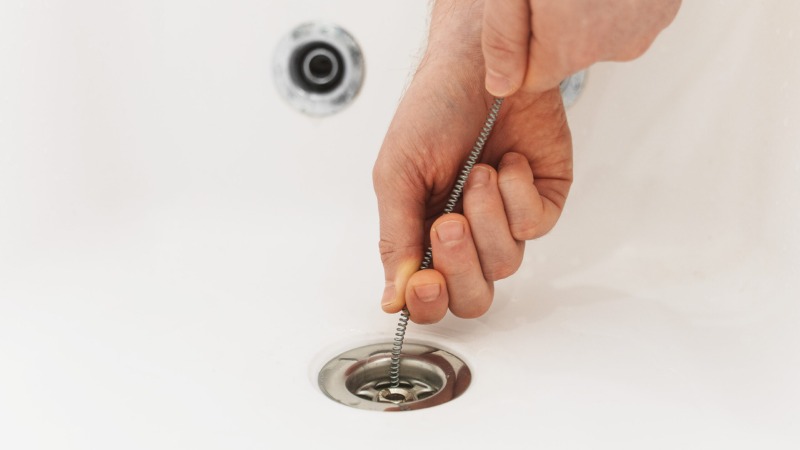
A small hand tool can sometimes clear hair near a sink or tub opening. However, improper use can scratch fixtures, damage fittings, or push debris farther down the line. Stop if the tool meets heavy resistance.
A Better Way To Handle Recurring Clogs
A recurring clog is useful information, not just an inconvenience. Notice which fixtures are affected, try safe basic steps for isolated issues, and avoid risky experiments when water backs up or sewage odors appear. Finding the root cause of the blockage can reduce recurring messes and help protect your home’s plumbing system.
Conclusion
Recurring drain clogs are often a sign that the underlying problem has not been fully addressed. While simple blockages near a drain opening may respond to basic maintenance, persistent slow drainage, multiple affected fixtures, or sewer odors can indicate issues deeper within the plumbing system. Paying attention to these warning signs, using safe cleaning methods, and avoiding practices that may damage pipes can help prevent more costly repairs later. When routine maintenance no longer solves the problem, a professional inspection can identify the actual cause and recommend the most appropriate solution. Taking action early helps protect your plumbing system, reduce the risk of backups, and keep household drains flowing more reliably over the long term.