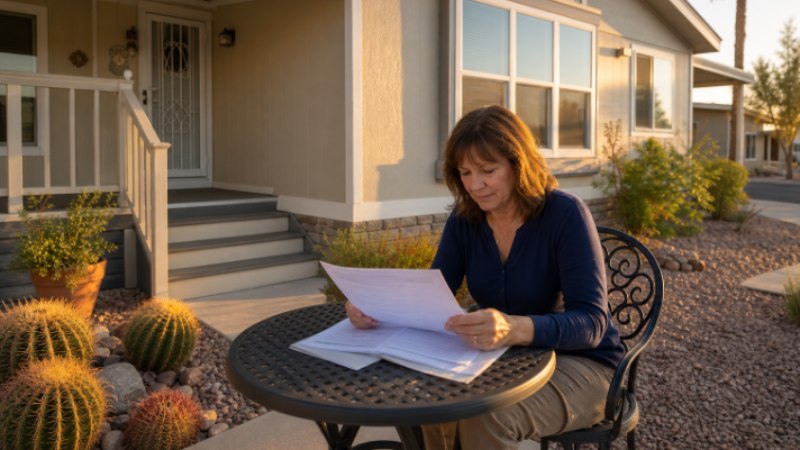
Selling a manufactured home in Tempe involves more than choosing an asking price and posting photos online. Whether the home is in a park or on privately owned land, a seller needs to understand ownership records, buyer requirements, repair decisions, and expected closing costs. Owners considering their options can start by reviewing https://www.phoenixmobilehome.com/sell-your-mobile-home-tempe/ alongside their own timeline and financial goals.
A clear plan can reduce surprises. Gather records early, identify potential title or park issues, and calculate the likely proceeds before accepting an offer. This approach is especially helpful when a home is inherited, needs repairs, has a loan balance, or must be sold on a short timeline.
Why The Selling Process Can Differ
Location also matters. A home in a leased-land community may be sold separately from the lot, while the buyer enters a new lease with the community. A home on private land may attract a different buyer pool and require a broader review of land records, taxes, utilities, and improvements.
Sellers who want a direct-sale alternative may also compare offers from Phoenix, AZ mobile home buyers with the expected cost and timing of a traditional listing. The useful comparison is not simply cash versus listing price. It is the final amount received after commissions, repairs, lot rent, holding costs, and closing expenses.
Check The Home’s Legal And Physical Status
Before setting a price, confirm the basic facts: the year, make, model, serial or vehicle identification number, address, owner names, and current condition. Locate the title or other proof of ownership, then check whether there are liens, unpaid taxes, loan balances, or ownership changes that still need to be resolved.
Suggested Home Review Checklist
- Match the title information to the home’s identification number.
- Confirm every owner who must sign the transfer documents.
- List roof, plumbing, electrical, HVAC, flooring, and structural concerns.
- Document major upgrades, repairs, appliances, sheds, patios, and additions.
- Identify permits or approvals for attached rooms and other improvements.
- Verify whether the home sits on leased land or land included in the sale.
Missing records and unpermitted additions do not always stop a sale, but they can narrow financing choices or cause a buyer to ask for a lower price. Arizona sellers can review how mobile-home titles work through the state’s mobile home ownership requirements, particularly when title status is unclear, or the home may be affixed to real property.
Gather Documents And Set A Realistic Price
Helpful documents include the certificate of title, payoff statement, tax information, lot lease, community rules, repair receipts, permits, and any probate, trust, or divorce paperwork affecting ownership. If a dealer or broker is involved, sellers should confirm appropriate credentials through Arizona manufactured-home licensing guidance before committing to a contract.
Pricing should be based on comparable manufactured-home sales, not nearby site-built home listings alone. Consider the home’s age, size, layout, condition, lot rent, community restrictions, upgrades, major-system life, land status, and likely financing options. Create three figures:
- List price: The number used to attract attention.
- Expected sale price: A realistic estimate based on similar homes.
- Minimum net amount: What remains after payoff, repairs, fees, taxes, commissions, and carrying costs.
Compare Ways To Sell And Prepare Carefully
A traditional listing may reach more retail buyers and support a stronger price when the home is clean, updated, and financeable. It can also require showings, inspections, buyer approvals, commissions, and patience. A for-sale-by-owner transaction gives the seller more control, but also places marketing, screening, negotiations, paperwork, and scheduling on the seller.
A direct sale may reduce public showings, repair work, and uncertainty around buyer financing, although the gross offer can be lower than a retail-listing target. Ask every prospective buyer for clear contract terms and proof of funds. Review who pays transfer charges, title or escrow fees, community fees, repairs, and taxes.
Do not overspend on improvements without a reasoned estimate of return. Cleaning, decluttering, replacing broken fixtures, addressing small leaks, improving lighting, and trimming landscaping can make a meaningful impression. Larger projects should be weighed against contractor costs, permits, delays, and the possibility that the buyer will still prefer to personalize the home.
Review Park Rules And Evaluate Offers
For homes in manufactured-home communities, contact the office early. Ask about buyer applications, age restrictions, income or background standards, transfer fees, required inspections, lot-rent balances, resale procedures, and deadlines. Community approval may be a condition of closing, so it should not be treated as a last-minute task.
When offers arrive, look beyond the headline number. Compare whether the buyer is using cash or financing, the inspection and appraisal contingencies, requested repairs, park approval, deposit amount, closing date, and cancellation terms. Calculate the estimated net for each offer:
Estimated Net = Sale Price − Loan Payoff − Repairs − Commissions − Fees − Taxes − Carrying Costs
Avoid Common Delays
Common problems include missing titles, incorrect owner names, unreleased liens, unpaid taxes, incomplete community applications, unresolved probate matters, and unclear responsibility for moving the home. Maricopa County notes that titled manufactured homes transfer through MVD, so sellers can use the county’s mobile-home records information when checking local ownership and valuation details.
Handle title, payoff, and community questions before marketing. Before accepting an offer, verify funds and conditions. After signing, promptly complete inspection requests, applications, lien releases, and final transfer documents. This sequence gives both seller and buyer a more realistic path to closing.
Common Questions From Sellers
Can A Manufactured Home Be Sold Without The Land?
Yes. In many communities, the buyer purchases the home and separately signs a lot lease with the park, subject to approval requirements.
Should Repairs Be Completed Before Listing?
Address safety concerns and obvious small defects first. Consider major repairs only when the likely increase in buyer interest or sale price justifies the expense and delay.
What If The Title Is Missing?
Request replacement title information as soon as possible and resolve any ownership or lien issues before the closing date. The required steps depend on the home’s legal status and records.
Final Thoughts
A successful manufactured-home sale in Tempe starts with accurate records and realistic expectations. By confirming title status, reviewing park rules, comparing sale paths, and calculating the true net proceeds, sellers can make a decision that fits both their financial needs and their preferred timeline.