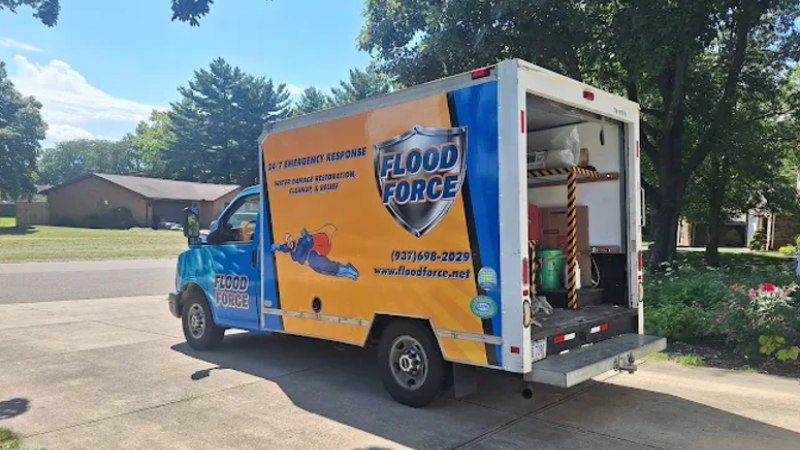
Water damage rarely stays limited to the spot where it first appears. A burst pipe, sump pump failure, appliance leak, storm intrusion, or sewage backup can affect flooring, drywall, insulation, framing, and indoor conditions. For Dayton homeowners, the priority is not simply removing visible water. The goal is to identify the source, understand the type of water involved, dry affected materials properly, and document the damage. Knowing what happens during professional cleanup can help you respond quickly without making the situation worse.
Why Fast Water Removal Matters
Standing water can migrate into porous materials and hidden spaces. Drywall, wood, insulation, carpet, and subflooring may absorb moisture even when the surface looks dry.
Professional water removal usually starts with stopping or controlling the source when possible, followed by extraction. Removing liquid water first reduces the amount of moisture that drying equipment must handle later.
A Water Damage Restoration service may also include flood extraction, structural drying, decontamination when contaminated water is present, and documentation of affected areas.
Homeowners should avoid assuming that a wet surface is safe because the water is no longer visible. Moisture can remain inside wall cavities, beneath flooring, or in other building materials.
Is All Floodwater Treated the Same Way?
No. The source and contamination level matter.
Clean water from certain supply-line failures presents different concerns from water associated with sewage, storm flooding, or other contaminated sources. Flood Force states that its flood-cleanup work includes storm flooding, sump pump failures, sewage backups, basement extraction, drying, and decontamination.
Contaminated water should not be handled like an ordinary spill. Porous materials may need removal, and affected surfaces may require cleaning and decontamination before the area can be considered ready for reconstruction.
The takeaway is simple: identify the water source before deciding what can be safely dried and saved.
What Does Structural Drying Actually Involve?
Extraction removes standing water, but structural drying addresses moisture that has already entered building materials.
Restoration professionals may use air movers and commercial dehumidifiers to encourage evaporation and remove moisture from the air. Moisture readings help determine whether walls, floors, ceilings, or structural components are continuing to dry.
Flood Force lists structural drying among its Dayton-area water mitigation services and describes using commercial drying equipment after water removal.
Drying should be based on measured conditions rather than appearance alone. A wall can feel dry on the surface while moisture remains deeper inside the assembly.
What Should Homeowners Do Before Help Arrives?
Safety comes first. If water is near electrical equipment, if sewage is involved, or if there may be structural damage, avoid entering the affected area unless it has been evaluated as safe.
If the source can be stopped safely, shut off the water supply. Move unaffected valuables away from the wet area when practical, and take photos of visible damage for documentation.
Do not tear into walls or begin removing large amounts of material without understanding the water category and extent of damage. Improvised cleanup can spread contamination or hide evidence that may be useful during an insurance claim.
Can Wet Materials Always Be Saved?
Not always. Whether a material can remain depends on what it is made from, how wet it became, how long it remained wet, and whether contamination is present.
Hard, nonporous surfaces may often be cleaned and dried. Heavily saturated drywall, insulation, carpet, or other porous materials may require removal in some situations, particularly when contaminated water is involved.
The decision should be based on material condition and restoration standards rather than a desire to save everything at any cost.
Dayton Water Damage Recovery Starts With the Right First Steps
Water damage cleanup is a process, not a single action. Extraction, moisture assessment, structural drying, contamination control, documentation, and repairs all address different parts of the problem.
For Dayton homeowners, the most useful first steps are to stop the source when safe, avoid contaminated areas, document visible damage, and get the affected materials evaluated before assuming they are dry.
Quick action matters, but informed action matters just as much. A careful response can help limit secondary damage, clarify what should be removed or restored, and create a cleaner path from the initial water emergency to a dry, usable property again.