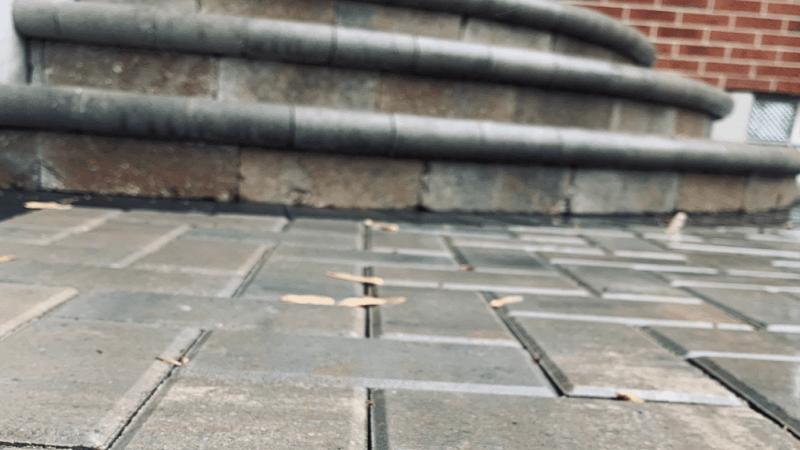
Hardscapes give a yard its bones. Plants bring color and softness, but patios, walkways, retaining walls, fire features, steps, and sitting areas create the structure people actually use. For homeowners around Dayton, a well-planned hardscape can turn a plain lawn into a place for grilling, gathering, relaxing, and moving through the property. Smart projects start with questions about layout, materials, drainage, and function.
What Counts as a Hardscape?
A hardscape is any non-living outdoor feature built into a landscape. Common examples include patios, stone walkways, driveway extensions, pool decks, retaining walls, seating walls, fire pits, outdoor fireplaces, boulder accents, steps, and edging. These features are different from softscapes, which include grass, trees, shrubs, and flowers.
They work best together naturally. A patio without planting can feel flat, while a garden without paths or gathering space may be pretty but hard to enjoy. Hardscapes create usable zones, guide foot traffic, manage grade changes, and define outdoor rooms. They make the yard easier to use, not just nicer to view.
Why Are Paver Patios and Walkways So Popular?
Pavers are popular because they balance durability, design flexibility, and repairability. They come in many colors, shapes, textures, and patterns, allowing a patio or walkway to match the home. When installed over a compacted base, paver surfaces can handle foot traffic, outdoor furniture, grills, and seasonal weather.
Individual pavers can often be replaced if one becomes stained or damaged. That differs from a poured slab, where repairs may be more noticeable. For busy families, a paver patio gives the backyard a dependable destination.
For homeowners comparing patio, walkway, retaining wall, or fire feature options, working with an Outdoor living Contractor can help connect the design idea with the construction details that make the finished space last.
How Important Is the Base Beneath the Surface?
The base is everything. The prettiest pavers will not perform well if the ground below them is poorly prepared. A quality hardscape project depends on excavation, compacted aggregate, bedding material, edge restraint, and attention to pitch so water moves away from structures.
Soil type, drainage patterns, freeze-thaw cycles, and expected use all affect how the base should be built. A patio for chairs has different demands than a driveway, retaining wall, or large entertainment area. Hidden preparation keeps the surface from shifting, settling, or turning into a puddle party after heavy rain.
What Problems Can Retaining Walls Solve?
Retaining walls are both functional and visual. They can hold back soil, reduce erosion, manage slopes, create flatter usable areas, and add structure to a property. In a yard with grade changes, a wall may make the difference between wasted hillside and a usable terrace, planting bed, or seating area.
Good retaining walls are not just stacked blocks. They need engineering, drainage stone, compaction, and sometimes reinforcement depending on height, soil pressure, and site conditions. Water behind a wall is a common cause of failure, so drainage should never be an afterthought. Done correctly, a retaining wall solves a practical problem while adding architectural character.
How Do Fire Features Fit Into Hardscape Design?
Fire features are the crowd magnets of outdoor living. A fire pit, fire table, or outdoor fireplace creates a natural gathering point and helps extend patio use into cooler evenings. They also add atmosphere without requiring a full outdoor kitchen or major structure.
Placement matters. A fire feature should leave enough room for seating, circulation, and a safe distance from structures, plants, and overhead elements. Materials should be chosen for heat exposure and outdoor use. When paired with a paver patio, seating wall, lighting, and plantings, a fire feature can make the space feel finished and ready for marshmallows, conversation, or quiet nights.
A knowledgeable Outdoor living Contractor can help homeowners think through placement, materials, drainage, and how a hardscape feature will connect with the rest of the property.
What Should Homeowners Decide Before Starting?
Before starting a hardscape project, homeowners should think about how the space will actually be used. Is the goal a dining patio, a front walkway, a safer slope, a fire pit area, or a complete backyard retreat? The answer affects size, shape, budget, materials, and construction approach.
It also helps to consider traffic flow, sunlight, privacy, views, maintenance, and future upgrades. A patio placed too far from the kitchen may rarely be used. A walkway that ignores the natural route people take may become decoration instead of a function.
Hardscapes work best when planned as permanent outdoor improvements. With sound construction and materials suited to the property, patios, walkways, walls, and fire features can make an outdoor space more useful, attractive, and enjoyable for years.