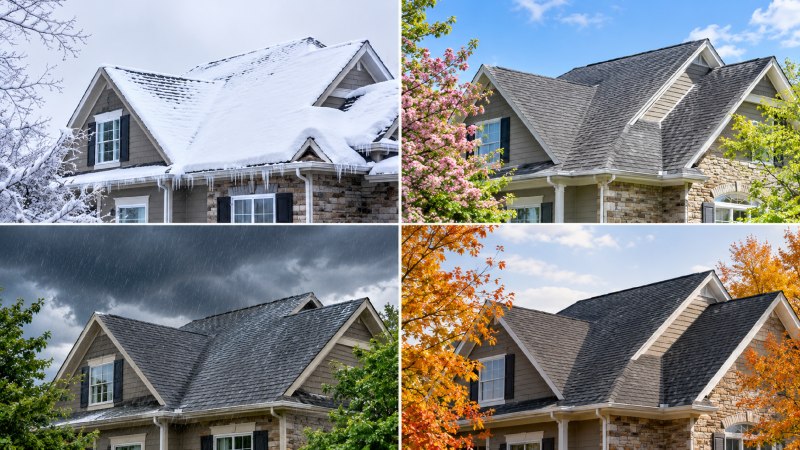
In Rochester, Minnesota, a roof has to perform through snow-covered winters, spring thaw cycles, heavy rain, high winds, and the occasional hailstorm. Small issues can remain out of sight until water reaches the attic, ceiling, insulation, or wall finishes. A seasonal approach helps homeowners notice warning signs early and address them before the next change in weather adds stress to the roof system.
For homeowners comparing roofing contractors Rochester MN, Above All Roofing Of Rochester is a locally owned company serving Rochester and surrounding Minnesota communities. Its website covers residential and commercial roofing, inspections, repairs, replacements, storm and hail damage, snow removal, and preventative maintenance, making the company a relevant local option for property owners navigating weather-related roof concerns.
Why Rochester, Minnesota Roofs Need Year-Round Attention
Roof problems rarely follow a convenient schedule. Winter snow can contribute to ice buildup, spring rain can reveal leaks, summer wind can loosen shingles or flashing, and fall leaves can block drainage before freezing weather arrives. The most useful roof-care routine is not a single annual appointment. It is a series of practical checks that align with the season and keep homeowners focused on changes they can safely make.
Winter Roof Checks: Snow, Ice, and Ice Dams in Rochester
What Causes Ice Dams?
Ice dams can form when heat escaping from the house melts snow on warmer portions of the roof. Water then travels toward colder roof edges and refreezes, creating a ridge of ice that may hold back additional meltwater. That trapped water can work beneath shingles and enter the home. The University of Minnesota’s guidance on dealing with and preventing ice dams emphasizes reducing air leaks and heat loss, rather than relying only on attic ventilation or mechanical fans.
Safe Winter Steps
- Look for new ceiling stains, damp insulation, dripping, or moisture near exterior walls.
- Before major snowfall, make sure gutters and downspouts are free of leaves and obvious blockages.
- Watch for thick ice on the ground along eaves, in valleys, and at lower roof edges.
- Do not climb onto an icy roof or chip ice with sharp tools, as this may damage shingles.
- Call a qualified roofing professional if water is entering the home or the roof appears heavily stressed.
A roof rake can be helpful in limited situations when used from the ground, but it can also scrape roofing materials if handled aggressively. Heavy snow, active leaks, and large ice dams are situations where professional assistance is generally the safer choice.
Spring: Inspecting Rochester Roof Damage After Freeze-Thaw Weather
Once the snow recedes, walk around the home and inspect the roof from ground level. Look for missing, cracked, curled, or lifted shingles; loose flashing around chimneys, skylights, and vents; sagging along the roofline; and granules collecting near downspouts. Inside the attic, check for damp spots, mold-like staining, damaged insulation, or daylight where it should not be visible.
Compare the roof with photos taken the previous fall, if available. A professional inspection is worthwhile when signs are difficult to confirm, when a leak appears during winter, or when the roofline looks uneven. Avoid treating a ground-level visual check as a substitute for a close inspection after visible damage.
Summer Storm Protection in Rochester, Minnesota
How Wind and Hail Can Affect a Roof
Wind can lift shingles, loosen flashing, and expose vulnerable edges. Hail may affect shingle surfaces without producing an obvious hole, so homeowners should also check metal vents, gutters, siding, window screens, and other exterior surfaces for storm-related marks. Those observations can help document what happened, but they do not determine whether a roof requires repair or replacement.
What To Do After a Storm
- Stay on the ground and photograph visible conditions from several angles.
- Place a container beneath an active interior leak and, if safe, move valuables away from the area.
- Check ceilings, upper walls, and attic spaces for new moisture.
- Contact the insurance company and ask what documentation it requires.
- Arrange a clear roof inspection before agreeing to major work.
Be cautious about rushed decisions after a storm, especially when someone arrives uninvited and urges an immediate contract. A written scope of work and inspection findings give homeowners a better basis for comparing options.
Fall Preparation in Rochester Before the First Major Snow
Fall is the time to clear leaves and debris from gutters, confirm that downspouts direct water away from the foundation, trim branches hanging over the roof, and inspect visible flashing and chimney areas. Small leaks are easier to address before repeated freeze-thaw conditions return. Homeowners can also review the University of Minnesota’s weather and climate checklists while preparing the rest of the property for wind, hail, snow, ice, and other seasonal hazards.
Attic insulation and ventilation also deserve attention before winter. Uneven roof temperatures can be a clue that heat is escaping into the attic, while moisture or compressed insulation may indicate a separate problem that needs evaluation.
What Homeowners Can Check, and What Professionals Should Handle
Usually Safe From the Ground
- Using binoculars to look for missing shingles or obvious debris.
- Checking gutters for granules and downspouts for blockages.
- Looking for stains on ceilings, walls, and attic surfaces.
- Photographing visible storm conditions from a safe location.
Best Left to a Professional
- Walking on steep, wet, icy, or visibly damaged roofing.
- Removing heavy snow or substantial ice dams.
- Assessing sagging, soft decking, or suspected structural damage.
- Repairing flashing, valleys, vents, skylights, or underlayment.
Choosing a Roofing Professional in Rochester, Minnesota
When comparing companies, verify licensing and insurance, ask who will perform the work, request a written scope, and confirm warranty terms in writing. It is also reasonable to ask how emergency leaks are handled and whether the contractor has experience with Rochester-area weather. A reliable contractor should explain the observed condition, distinguish urgent repairs from routine maintenance, and give the homeowner time to review the proposal.
Roof Repair, Maintenance, or Replacement?
A repair may be appropriate for a small isolated leak, a limited number of damaged shingles, or loose flashing in one location. Replacement may need to be discussed when there is widespread shingle deterioration, repeated leaks in multiple areas, visible sagging, soft decking, or long-standing storm damage. Roof age matters, but it is not the only decision point. The shingles, flashing, decking, underlayment, drainage, and attic conditions all help shape the right recommendation.
Frequently Asked Questions
How Often Should a Rochester Roof Be Inspected?
Perform a visual check each season and arrange a professional inspection after major storms, active leaks, or any unusual changes to the roofline.
Can More Attic Ventilation Prevent Ice Dams?
Ventilation can be part of the solution, but air leakage and insufficient insulation can also contribute to uneven roof temperatures.
Should Homeowners Remove Roof Snow?
Snow removal depends on roof design, snow conditions, and safety concerns. Avoid climbing onto the roof, and seek professional advice if the accumulation appears excessive or if leaks are present.
A Small Seasonal Check Can Prevent a Larger Rochester Roofing Problem
Rochester roof care works best as a year-round habit. A quick ground-level review, clean gutters, a safe attic check, and timely professional help can reduce the chance that snow, hail, wind, or freeze-thaw weather turns a manageable concern into a costly interior repair.