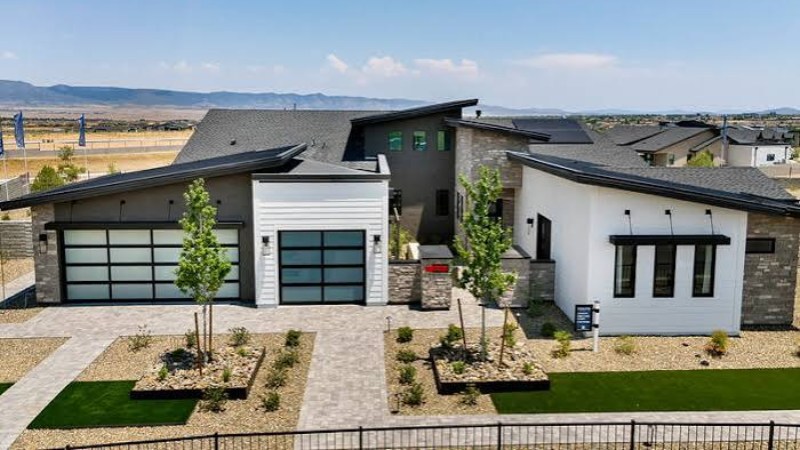
A house built in Ohio or Oregon can get away with a lot. Standard insulation, double-pane windows, a furnace, maybe a basement. That combination works fine when your worst summer day tops out at 88 degrees. Arizona is a different situation entirely, and the homes here reflect that in ways that go far beyond swapping out a furnace for central air.
The Heat Is the Starting Point for Everything
Arizona’s climate shapes every decision a homeowner makes, from the materials on the roof to the way a kitchen is laid out. The average temperature in Phoenix in July is 106 degrees, and that sustained heat puts pressure on every system in a home at once. It is not just uncomfortable. It is structurally demanding in a way that most of the country never has to consider.
In Arizona, a quarter of the energy consumed by homes goes toward running an air conditioning unit, more than four times the national average. That single number explains why energy efficiency is not a lifestyle choice here. It is a financial necessity. A home that performs well in a moderate climate can bleed money in Arizona if it was not built or upgraded with the desert in mind.
Cooling Systems Built for Continuous Operation
In most states, an air conditioner runs in cycles. It kicks on, reaches the target temperature, and shuts off for a while. In Arizona during summer, that off cycle barely exists. Units run for hours without stopping, which means the equipment needs to be sized correctly for the square footage, and the ductwork needs to be sealed and insulated against attic temperatures that can exceed 150 degrees. A system that would last 15 years in a temperate climate may need replacement much sooner here. That is not a worst-case scenario. That is just the math.
Thermal Mass and Roof Materials
Adobe and stucco construction, common throughout the Southwest, are not just aesthetic choices. These materials absorb heat during the day and release it slowly at night, moderating interior temperatures in a way that wood-frame construction with vinyl siding cannot match. Tile roofs, particularly those with lighter colors or reflective coatings, reject solar radiation rather than absorbing it. Homeowners who swap tile for asphalt shingles often notice the difference on their electricity bills within the first summer.
Windows, Shade, and the Fight Against Solar Gain
Windows are one of the biggest sources of heat gain in an Arizona home. A standard double-pane window that passes muster in most of the country can allow enormous amounts of radiant heat through during the afternoon hours. Low-emissivity coatings and triple-pane glass are not overkill here. They pay for themselves. Outdoor awnings or louvers can cut the heat entering a home by up to 80 percent, which is why covered patios, deep roof overhangs, and exterior window shading appear in well-designed Arizona construction as standard features rather than optional extras.
Orientation matters too. A home with large west-facing windows that works beautifully in Seattle becomes a solar oven in Scottsdale by 4 p.m. Builders and buyers in Arizona pay close attention to which rooms face which direction, and landscaping with shade trees on the south and west sides of a home is treated as a functional upgrade, not just curb appeal.
What Remodeling Looks Like in a Desert Climate
Remodeling an Arizona home involves a different set of priorities than remodeling elsewhere. Reliable remodeling contractors such as Cabinet Coatings understand these regional differences and plan projects accordingly. Projects that rank high in other parts of the country, like adding a fireplace or finishing a basement, are largely irrelevant here. What matters is reducing heat load, improving airflow, and making spaces livable during the months when stepping outside feels genuinely hostile.
Kitchen and bathroom remodels remain the most popular projects, as they are nationally, but the reasoning in Arizona often includes improving ventilation and cutting the amount of heat generated inside the home. Induction cooktops, for example, have gained traction here partly because they produce far less ambient heat than gas or traditional electric ranges. The same logic applies to lighting: LED fixtures are not just energy-efficient, they keep spaces cooler in rooms that are already working hard.
Flooring choices reflect the climate as well. Arizona buyers gravitate toward continuous, durable materials like luxury vinyl plank, tile, or refinished hardwood that handle heat and dust. Carpet traps dust and allergens that circulate more aggressively in a dry, windy environment, and it holds heat in a way that hard surfaces do not. Tile, in particular, stays noticeably cooler underfoot, which matters in a home where bare feet on the floor is a daily reality for most of the year.
Outdoor living spaces are another area where Arizona remodeling diverges sharply from national trends. Covered patios with ceiling fans, misting systems, and shade structures are treated as essential extensions of the home. Not luxury add-ons. A well-designed outdoor space in Phoenix or Tucson is usable for eight to nine months of the year, which means it functions almost like an additional room.
Water, Dust, and the Other Pressures Arizona Homeowners Face
Heat is the most visible challenge, but it is not the only one. Arizona homes also contend with hard water, monsoon season, and fine particulate dust that works its way into every gap and filter.
Hard water is pervasive across most of the state. It leaves mineral deposits on fixtures, shortens the lifespan of water heaters and dishwashers, and creates buildup in pipes over time. Water softeners and whole-house filtration systems are common in Arizona homes and are often treated as standard equipment rather than upgrades. In states where water hardness is low, most homeowners never think about this. In Arizona, it is a maintenance category of its own.
Monsoon season, running July through September, brings a different set of concerns.
Intense storms can drop several inches of rain in a matter of hours on soil that the sun has baked hard and that cannot absorb water quickly. Proper grading around the foundation, functional drainage, and sealed entry points are not optional. Builders who did not design homes with drainage in mind can leave them vulnerable to water intrusion in places that would never flood in a region with more gradual rainfall patterns.
Dust infiltration is a quieter but persistent issue. Homeowners need to replace HVAC filters in Arizona more frequently than the manufacturer’s general guidelines suggest.Weatherstripping around doors and windows degrades faster in the heat, and when it does, fine dust finds its way in. Homeowners who stay on top of this maintenance see cleaner air and better HVAC performance across the board.
The Stakes of Getting It Wrong
The consequences of a home that is not properly equipped for the Arizona climate go beyond discomfort or high utility bills. More than 4,320 people died from exposure to excessive heat in Arizona between 2013 and 2024. A significant portion of those deaths occurred indoors, in homes where cooling systems failed or were inadequate. That reality gives a different weight to decisions about insulation, HVAC maintenance, and window performance.
Conclusion
For homeowners moving to Arizona from another state, the adjustment in thinking is real but manageable. Prioritize the cooling system and the building envelope first. Then address water quality, drainage, and filtration. Homeowners should evaluate remodeling projects through the lens of heat reduction and durability rather than national trend lists. A home that performs well in the Sonoran Desert is one that designers built, or homeowners updated, with the desert’s specific demands in mind.