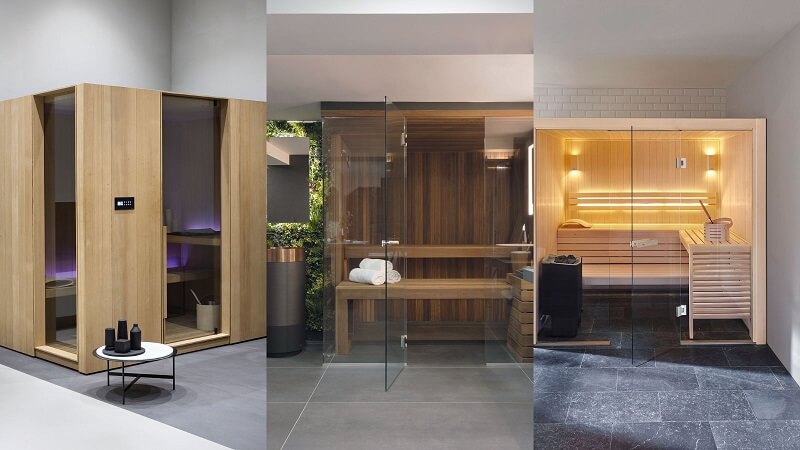
Bathroom renovations used to be fairly predictable projects, focused on new tile, updated fixtures, and better lighting. That is starting to change. A growing number of homeowners are using bathroom remodels as an opportunity to add a home sauna, turning a purely functional space into something closer to a personal wellness room.
Why Saunas Are Showing Up in Renovation Plans
Part of the shift comes down to changing priorities. Homeowners are increasingly treating their homes as places to recover from stress, not just live in, and the bathroom is a natural spot for that kind of upgrade since it already has the plumbing, ventilation, and flooring infrastructure a sauna needs. Adding one during an existing renovation, rather than as a standalone project later, tends to be far more cost-effective, since electricians and contractors are already on site.
What a Modern Home Sauna Actually Requires
Contrary to what a lot of homeowners assume, indoor saunas do not require the kind of major structural work that a full bathroom addition would. Compact one- and two-person units are designed to fit into an existing footprint, often needing little more than a stable, level surface and access to a power outlet. Larger units may need a dedicated circuit, which is exactly the kind of detail worth flagging to a contractor before renovation work begins, so the wiring is planned for from the start.
Choosing a Sauna That Fits the Space
Product selection matters as much as installation planning. Retailers like Insignia Showers offer a range of home sauna models designed specifically for residential installation, including compact infrared units suited to smaller bathrooms as well as larger multi-person options for homeowners with more square footage to work with. Having that range available makes it easier for a renovation to match the sauna to the actual room rather than compromising on the room to fit a sauna.
Features Worth Planning Around
Modern home saunas often come with features that go beyond basic heat, including LED lighting, digital touch controls, and built-in audio systems. These are worth discussing with a contractor early in the renovation process, since some may require additional wiring or a slightly different layout than a standard bathroom fixture. Planning for these details upfront avoids the need for costly rework after tiling and finishing work is already complete.
The Return on a Sauna Addition
Beyond personal enjoyment, a well-integrated sauna can be a meaningful differentiator when it comes time to sell. Buyers touring a home with a dedicated wellness feature tend to remember it, particularly in markets where bathroom upgrades are common, but a sauna addition is not. It is a relatively rare feature that signals a higher level of investment in the home overall.
Coordinating the Timeline
The easiest way to add a sauna to a renovation is to bring it up during the initial planning phase rather than midway through construction. Contractors can account for the extra electrical load, adjust ventilation plans if needed, and make sure the flooring and moisture barriers are appropriate for the added humidity and heat. Homeowners who wait until later in the project often face higher costs and more disruption than those who plan for it from day one.
Frequently Asked Questions
Can a sauna really be added to a standard bathroom renovation?
Yes, particularly with compact indoor units designed for residential use. The key is planning the electrical and ventilation needs early in the renovation process rather than as an afterthought.
Does adding a sauna significantly increase renovation costs?
It adds cost, but combining it with an existing renovation is generally more affordable than installing a sauna as a separate project later, since labor and access costs are shared.
What size sauna fits into a typical bathroom renovation?
One and two-person infrared units are the most common choice for bathroom integration, since their footprint is comparable to a large shower enclosure.
Do home saunas require special ventilation?
Most compact units are designed to operate with standard bathroom ventilation, though it is worth confirming specific requirements for larger installations with a contractor.
Is a sauna a worthwhile investment for a home that might be sold later?
Many homeowners find it adds a distinctive, memorable feature to a listing, particularly in markets where standard bathroom upgrades are common but a dedicated wellness feature is not.