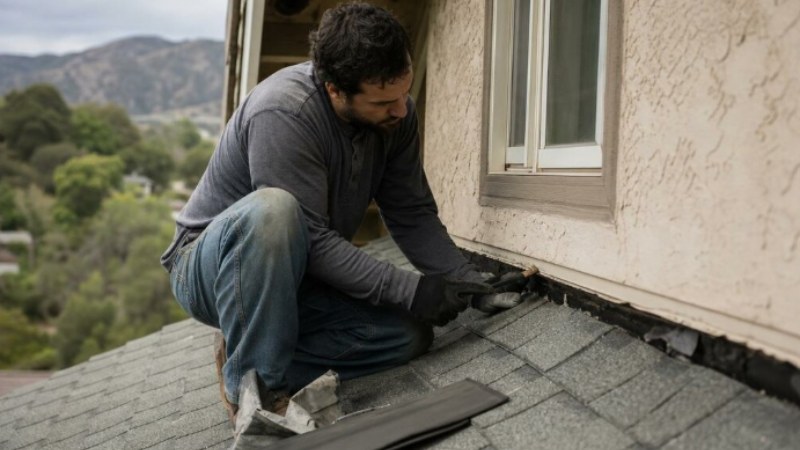
Flashing failures are one of the most common causes of water intrusion in El Dorado Hills homes, yet they are frequently overlooked until visible damage has already occurred. Roofing contractors serving the foothill corridor consistently flag deteriorated step flashing, counter-flashing, and valley metal as the first points to address before seasonal rainfall arrives. Roof Geeks is a licensed roofing contractor based in Shingle Springs.
Why Flashing Failure Is the Leading Cause of Roof Leaks in the Sacramento Foothills
Flashing at penetrations, valleys, and wall transitions accounts for the majority of roof leaks in foothill homes because these joints bear the full stress of thermal cycling and seasonal moisture. A field shingle sheds water across a flat plane, but every flashing detail interrupts that plane and must manage water moving in multiple directions.
El Dorado Hills sits between 600 and 1,400 feet elevation in the Sierra Nevada foothills, receiving 25 to 30 inches of annual precipitation concentrated between November and March. A single compromised flashing joint can allow sustained moisture entry for weeks before interior damage becomes visible. By the time a ceiling stain appears, water has often already tracked along framing members and wetted insulation well away from the original entry point.
What Flashings Do and Why They Deteriorate Faster in Foothill Climates
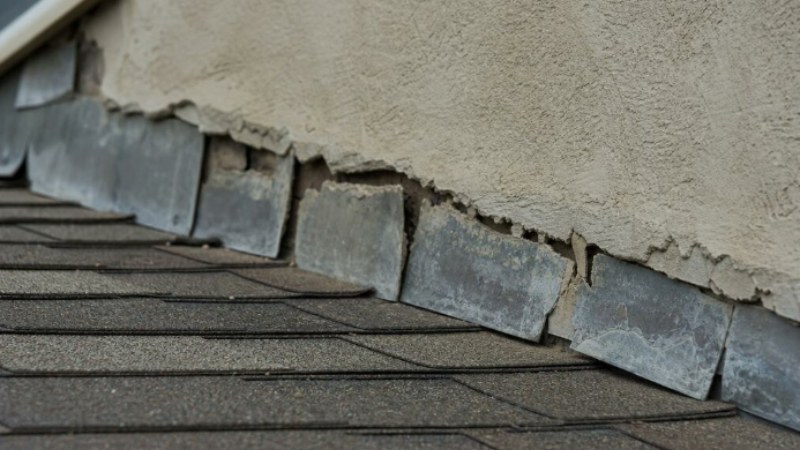
Flashings are the sheet metal and elastomeric components that seal every roof penetration, wall junction, and valley intersection against water. The thermal range between summer highs above 100 degrees and cold, wet winters imposes stress these components rarely face in milder coastal climates. That swing can exceed 70 degrees seasonally, working metal fasteners loose and fatiguing sealants that depend on a stable bond.
Step flashing is installed in alternating courses with shingles along vertical wall intersections, with each piece overlapping the one below to direct water away from the joint. Counter-flashing is embedded into the masonry or siding above to cap the step flashing and prevent water from entering the overlap from above. Proper installation requires each step piece to be a minimum of 4 inches by 4 inches and woven into the shingle courses, not surface-mounted with caulk. Local thermal cycling breaks sealant bonds at counter-flashing overlaps faster than in milder regions, separating metal from substrate over repeated cycles.
Open-valley W-metal flashing requires a minimum 4-inch clearance on each side and a compatible sealant bead at the shingle-to-metal interface to prevent debris-driven moisture wicking. The tree canopy in El Dorado Hills and Cameron Park generates heavy pine needle and oak leaf accumulation that collects against the metal centerline of these valleys, particularly on lots backing up to mature ponderosa pine and blue oak stands. Trapped organic debris holds moisture against the flashing surface long after rainfall ends, accelerating corrosion beyond the material’s rated service life.
Neoprene pipe boot collars on south-facing roof planes degrade under UV load within 10 to 15 years, well short of the surrounding roofing system’s expected service life. A cracked or shrinking collar widens with each thermal cycle, creating a clear failure sign before winter rain. EPDM or lead-flashed alternatives carry longer-rated service lives suited to the foothill thermal range.
The Recommended Window for a Pre-Season Flashing Inspection
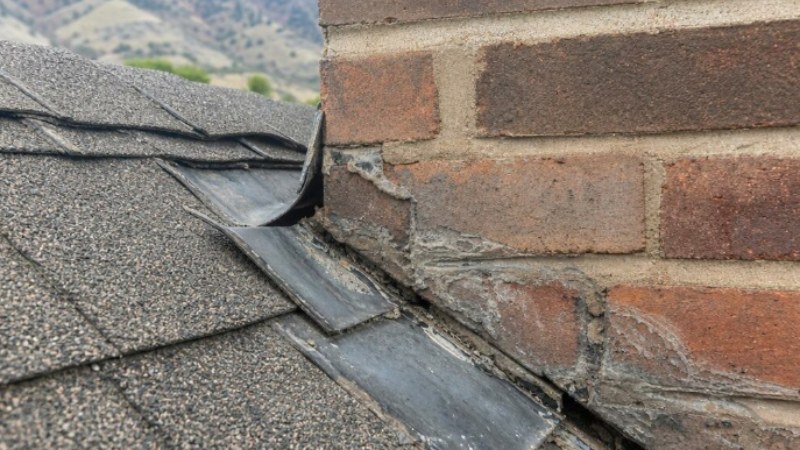
The August through mid-October window is the recommended period for a pre-season evaluation across El Dorado Hills, Cameron Park, Folsom, and the broader foothill corridor. Dry conditions allow full roof access before the first storm front, keeping the repair scope contained to a single mobilization. Flashing failures identified before the rainy season can typically be corrected in one visit, while mid-winter discovery often requires emergency tarping and a larger repair scope. Scheduling a roof inspection from Roof Geeks during the dry-season window avoids this escalation entirely.
Frequently Asked Questions
How can a property owner tell if flashing has failed before a leak appears?
Visible warning signs include cracked or shrinking pipe boot collars, separation between counter-flashing and the wall surface, and rust or pitting on valley metal. These indicators typically appear before any interior water staining, since flashing failure allows moisture to track along framing members for weeks before a ceiling stain becomes visible.
Why does valley flashing fail faster on tree-covered lots?
Pine needle and oak leaf accumulation collects against the metal centerline of open valleys, particularly on lots backing up to mature ponderosa pine and blue oak stands. Trapped organic debris holds moisture against the flashing surface long after rainfall ends, accelerating corrosion beyond the material’s rated service life.
What is the difference between step flashing and counter-flashing?
Roofers install step flashing in alternating courses with shingles along vertical wall intersections, overlapping each piece with the one below to direct water away from the joint. They embed counter-flashing into the masonry or siding above to cap the step flashing and prevent water from entering the overlap. Both components work together, and a failure in either one compromises the entire wall transition.
How long do pipe boot collars typically last in the Sacramento foothills?
Neoprene pipe boot collars on south-facing roof planes degrade under UV load within 10 to 15 years, considerably shorter than the surrounding roofing system’s expected service life. EPDM or lead-flashed alternatives carry longer-rated service lives suited to the foothill thermal range, often roughly double that of neoprene.
Why is late summer the recommended time to inspect flashings?
Dry conditions between August and mid-October allow full roof access before the first storm front, keeping any necessary repair scope contained to a single mobilization. Roofers can typically correct flashing failures identified during this window in a single visit, while issues they discover during mid-winter often require emergency tarping because wet conditions and limited roof access make repairs more difficult.
About Roof Geeks
Roof Geeks is a licensed roofing contractor serving residential and commercial properties throughout the Sacramento metropolitan area, with a focus on El Dorado Hills and the surrounding foothill communities. The company installs and repairs asphalt shingle, metal, tile, and flat roofing systems and operates from its office at 4261 Sunset Ln Suite 201, Shingle Springs, CA 95682. Their work covers roof replacement, roof repair, and code-compliant flashing installations across the region.
Business Name: Roof Geeks
Address: 4261 Sunset Lane, Suite 201, Shingle Springs, CA 95682
Phone Number: (916) 888-7663
<iframe src=”https://www.google.com/maps/embed?pb=!1m18!1m12!1m3!1d3115.2410421634168!2d-120.9277627!3d38.6663281!2m3!1f0!2f0!3f0!3m2!1i1024!2i768!4f13.1!3m3!1m2!1s0x809af78453271eaf%3A0x3cc4ba0055c601c3!2sRoof%20Geeks!5e0!3m2!1sen!2sph!4v1782486265678!5m2!1sen!2sph” width=”600″ height=”450″ style=”border:0;” allowfullscreen=”” loading=”lazy” referrerpolicy=”strict-origin-when-cross-origin”></iframe>