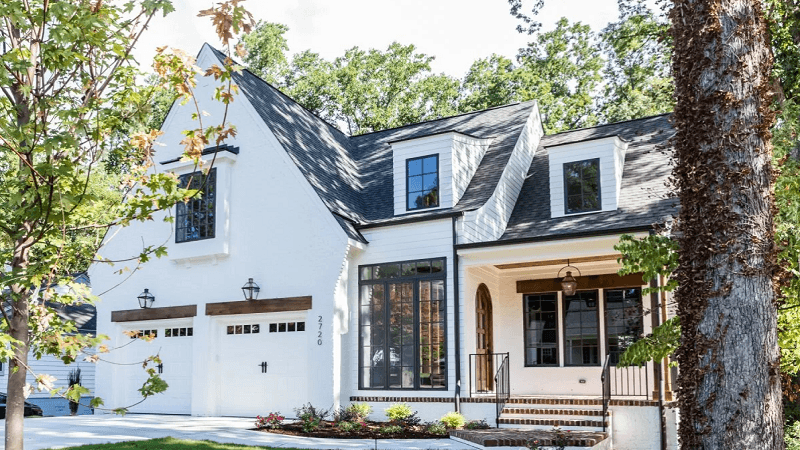
Building a custom home is one of the most significant investments many people will make. Unlike purchasing an existing home, a custom build allows homeowners to shape every detail—from the floor plan and architectural style to energy efficiency and long-term functionality. However, the process also involves numerous decisions that can influence the project’s success, budget, and overall experience.
For those considering a custom home in Chapel Hill, taking time to evaluate key factors before beginning construction can help ensure the finished home meets both current needs and future goals.
Define Your Long-Term Vision
You should work with a custom home builder in Chapel Hill to design for the way you plan to live for many years, not simply for today’s lifestyle.
Before meeting with builders or designers, homeowners should consider questions such as:
- How long do you plan to live in the home?
- Will your family grow or change?
- Do you work remotely or anticipate working from home?
- Will aging-in-place features become important?
- Do you entertain guests frequently?
Thinking beyond immediate needs often results in a home that remains functional and valuable over time.
Understand Chapel Hill’s Unique Building Environment
Chapel Hill offers a diverse mix of wooded lots, rolling terrain, established neighborhoods, and rural properties. Each location presents different opportunities and challenges.
Some considerations include:
- Topography and grading requirements
- Soil conditions
- Tree preservation
- Drainage planning
- Utility availability
- Neighborhood architectural guidelines
- Local zoning regulations
Evaluating these factors early can help prevent costly surprises during design and construction.
Choose the Right Lot
If you have not yet purchased land, the lot itself deserves as much attention as the home design.
A property’s characteristics can influence:
- Foundation design
- Construction costs
- Driveway placement
- Outdoor living areas
- Natural lighting
- Privacy
- Future landscaping opportunities
Many experienced professionals recommend evaluating the building site before finalizing home plans, rather than attempting to fit plans onto an unsuitable lot.
Think Beyond Square Footage
Larger homes are not always better homes.
Successful custom homes emphasize thoughtful layouts rather than simply maximizing size.
Consider how your family will use:
- Kitchens
- Living spaces
- Mudrooms
- Laundry rooms
- Storage
- Home offices
- Outdoor entertaining areas
- Guest accommodations
Efficient design often improves daily living while reducing unnecessary construction costs.
Establish a Realistic Budget
One of the most important planning steps involves understanding the complete financial picture.
Beyond construction costs, homeowners should also account for:
- Land acquisition
- Site preparation
- Engineering
- Architectural design
- Permits
- Landscaping
- Driveways
- Utility connections
- Interior furnishings
- Contingency funds
Having a comprehensive budget helps reduce unexpected financial stress throughout the project.
Consider Energy Efficiency from the Beginning
Modern custom homes increasingly prioritize long-term operating costs alongside initial construction expenses.
Energy-efficient planning may include:
- High-performance insulation
- Advanced HVAC systems
- Efficient windows
- Smart home technology
- LED lighting
- Air sealing
- Sustainable building materials
- Solar-ready infrastructure
Many of these decisions are easier and more cost-effective to incorporate during initial construction than through future renovations.
Evaluate the Design Process
Every builder approaches custom home design differently.
Some work with in-house designers, while others collaborate with outside architects.
Before beginning, homeowners may want to understand:
- How design revisions are handled
- Communication expectations
- Decision timelines
- Material selection processes
- Change order procedures
- Construction scheduling
A clearly defined design process often leads to smoother projects and fewer misunderstandings.
Research the Builder Carefully
Choosing the right builder often has a greater impact on the final outcome than selecting a particular floor plan.
When evaluating potential custom home builders, consider:
- Previous projects
- Experience with Chapel Hill homes
- Construction quality
- Client references
- Communication style
- Transparency
- Licensing and insurance
- Project management systems
Visiting completed homes and speaking with previous clients can provide valuable insight into the overall experience.
Understand the Timeline
Custom homes require patience.
Factors that can influence construction schedules include:
- Design revisions
- Permit approvals
- Material availability
- Weather conditions
- Utility installation
- Inspections
- Specialty finishes
Establishing realistic expectations early helps homeowners navigate the process with greater confidence.
Prioritize Quality Over Trends
Design trends naturally evolve over time, but quality craftsmanship tends to retain its value.
Instead of focusing exclusively on popular finishes, homeowners may benefit from investing in:
- Durable materials
- Timeless architecture
- Functional layouts
- High-quality windows and doors
- Well-designed kitchens
- Proper insulation
- Superior structural components
These foundational decisions often contribute more to long-term satisfaction than rapidly changing design trends.
Plan Outdoor Living Spaces Early
Outdoor areas have become an increasingly important extension of the home.
Rather than treating them as future additions, homeowners often achieve better results by incorporating them into the original design.
Examples include:
- Covered porches
- Outdoor kitchens
- Patios
- Fire features
- Pools
- Garden spaces
- Walking paths
- Natural landscaping
Planning these features alongside the home helps create a cohesive property design.
Ask Questions Throughout the Process
Building a custom home involves hundreds of decisions.
Homeowners should feel comfortable asking questions regarding:
- Construction methods
- Material options
- Maintenance requirements
- Warranty coverage
- Inspection procedures
- Product recommendations
- Future expansion possibilities
Open communication throughout the project often contributes to better outcomes and fewer surprises.
Final Thoughts
Building a custom home in Chapel Hill offers the opportunity to create a residence that reflects your lifestyle, priorities, and long-term goals. While the process requires thoughtful planning, careful budgeting, and selecting experienced professionals, investing time upfront can help homeowners avoid common challenges and make more informed decisions.
By understanding your needs, researching your options, and approaching the project with a long-term perspective, you’ll be better prepared to create a home that provides comfort, functionality, and lasting value for years to come.