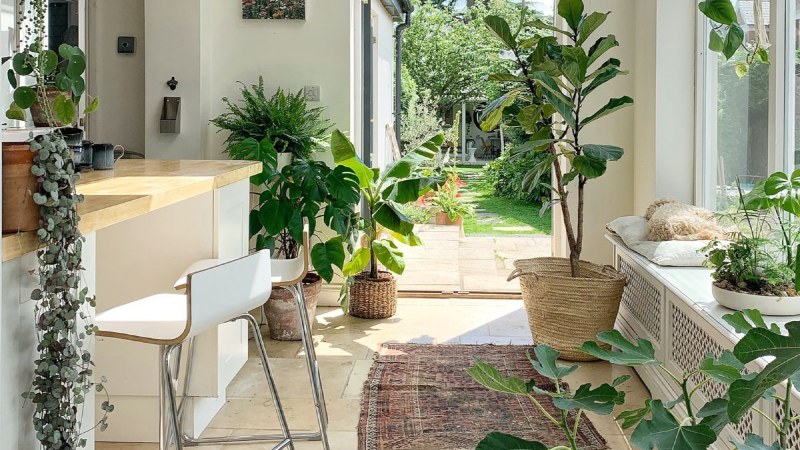
Indoor gardening offers a practical solution for those seeking to bring nature indoors without the burden of complicated care routines. The right selection of resilient plants, paired with proper containers and strategic placement, can transform any room into a green sanctuary. Understanding which species naturally tolerate neglect and adapt to indoor conditions makes the difference between a flourishing space and a collection of struggling specimens. The foundation begins with knowing what actually works.
Choosing the Best Low-Maintenance Plants for an Indoor Garden
When selecting plants for an indoor garden, beginners should prioritize species that thrive with minimal intervention and forgive occasional neglect. Pothos and snake plants top the list, tolerating irregular watering and various light conditions.
ZZ plants withstand drought exceptionally well, storing water in their rhizomes for extended periods. Spider plants adapt to most environments while producing offsets for propagation. Succulents like jade plants and aloe vera require infrequent watering, though they need bright light. Peace lilies signal watering needs by drooping slightly, then recover quickly after hydration.
Cast iron plants justify their name by surviving low light and inconsistent care. Philodendrons grow vigorously with basic attention, making them ideal for building confidence. These resilient varieties establish a foundation for successful indoor gardening while minimizing maintenance demands.
How Indoor Ivy Plants Add Beauty, Texture, and Vertical Interest to Living Spaces
Ivy transforms bare walls and empty corners into cascading focal points that soften hard architectural lines. These versatile climbers create dynamic visual movement through their trailing stems, which can be trained upward on trellises or allowed to spill gracefully from shelves and hanging baskets.
The plant’s varied leaf shapes and colors, from heart-shaped English ivy to pointed Devil’s ivy, introduce textural contrast against smooth furniture and flat surfaces. Variegated varieties featuring cream, white, or yellow patterns add dimensional interest without requiring additional plants. Indoor ivy plants is growing in popularity and deservedly so.
Ivy’s adaptability makes it ideal for vertical gardening in compact spaces. A single plant can cover substantial wall area, creating living artwork that draws the eye upward and makes rooms appear larger. Strategic placement near bookshelves, mantels, or window frames enhances existing décor while purifying indoor air.
Understanding Light, Water, and Humidity Requirements for Healthy Houseplants
Most indoor plants fail not from neglect but from mismatched environmental conditions that conflict with their native habitats. Understanding three fundamental requirements guarantees success: light, water, and humidity.
Light intensity determines placement. Low-light plants like pothos tolerate north-facing windows, while succulents require direct southern exposure. Observing leaf responses reveals needs, stretched growth indicates insufficient light, while bleached leaves signal excess. Watering schedules should reflect soil moisture, not calendars. Most houseplants prefer soil that dries slightly between waterings. Finger-testing two inches deep provides accurate readings.
Humidity affects tropical species considerably. Grouping plants creates microclimates through collective transpiration. Alternatively, pebble trays filled with water increase ambient moisture without waterlogging roots. Matching these conditions to each plant’s origins prevents common failures and promotes vigorous growth.
Selecting the Right Containers and Potting Mix for Long-Term Plant Growth
Beyond environmental conditions, container selection and soil composition form the physical foundation that either supports or limits plant development.
Containers must provide adequate drainage through bottom holes to prevent waterlogged roots and subsequent rot. Material choice affects moisture retention: terracotta breathes and dries quickly, while plastic and glazed ceramic retain water longer. Size matters, pots should accommodate root systems with one to two inches of growing space, as oversized containers hold excess moisture that encourages fungal growth.
Quality potting mix differs fundamentally from garden soil. Pre-formulated blends contain peat moss or coco coir for water retention, perlite or vermiculite for aeration, and sometimes compost for nutrition. These components create the loose, well-draining structure indoor plants require. Heavy garden soil compacts in containers, suffocating roots and inhibiting growth regardless of other care practices.
Common Indoor Plant Care Mistakes and How to Avoid Them
Why do indoor plants frequently fail despite gardeners’ best intentions? The answer lies in several common mistakes that undermine plant health. Overwatering ranks as the primary culprit, causing root rot and fungal diseases. Most indoor plants require soil to dry partially between waterings.
Insufficient light placement proves equally damaging, as plants stretch toward windows and become leggy. Each species demands specific light levels matching its natural habitat. Temperature fluctuations near heating vents or drafty windows stress plants unnecessarily. Maintaining consistent conditions between 65-75°F promotes stability.
Neglecting humidity needs, especially for tropical varieties, leads to brown leaf tips and pest susceptibility. Regular misting or humidity trays solve this issue. Finally, using incorrect fertilizer concentrations burns roots. Diluting liquid fertilizers to half-strength during growing seasons prevents chemical damage while providing adequate nutrition.
Styling Your Indoor Garden to Complement Different Home Décor Themes
Once plants thrive through proper care, their aesthetic integration into living spaces becomes the next consideration. Minimalist interiors benefit from sculptural plants like snake plants or fiddle leaf figs in neutral ceramic pots, creating clean focal points. Bohemian spaces accommodate abundant greenery through macramé hangers, woven baskets, and layered plant arrangements at varying heights.
Modern homes pair architectural succulents with geometric planters in metallic finishes or concrete. Traditional décor welcomes classic ferns and pothos in ornate containers or vintage brass planters. Scandinavian design favors simple arrangements with trailing plants in wooden or white ceramic vessels, emphasizing natural materials.
Industrial settings complement hardy plants like rubber trees in galvanized metal or weathered terracotta containers. Each style requires matching plant selection, container choice, and placement strategy to achieve visual harmony between greenery and existing design elements.
Simple Maintenance Tips for Keeping Your Indoor Garden Thriving Year-Round
Establishing consistent routines prevents common problems that plague indoor gardens throughout seasonal changes. Water plants when the top inch of soil feels dry, adjusting frequency as heating and cooling systems affect humidity levels. Rotate containers quarterly to guarantee even light exposure and balanced growth on all sides.
Monitor plants weekly for yellowing leaves, brown tips, or pest activity. Remove dead foliage immediately to prevent disease spread. Dust accumulates on leaves and blocks photosynthesis, so wipe them monthly with a damp cloth.
Fertilize every four to six weeks during spring and summer, reducing to every eight weeks in fall and winter when growth naturally slows. Repot when roots emerge from drainage holes or circle the container’s interior. Group plants with similar needs together to streamline care requirements.