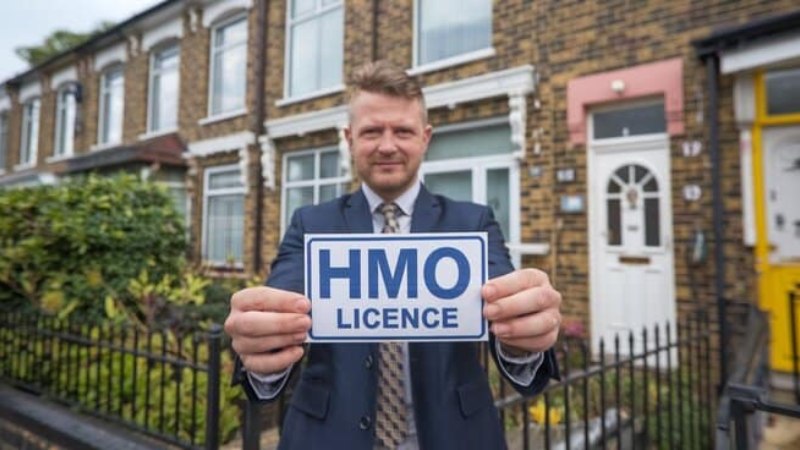
Shared housing continues to be one of the more resilient corners of the UK rental market, offering landlords the chance to generate stronger yields than a standard single let. But before any of that income potential can be realised, most landlords letting to multiple tenants first have to clear a legal hurdle that’s easy to underestimate: securing the correct HMO licence from their local council.
This step trips up more landlords than you’d think, not because the concept is complicated, but because the process varies significantly depending on location, and the paperwork requirements are more detailed than many first-time HMO owners expect. It’s one of the most searched questions among people converting a property for the first time, and understanding How do I get a HMO Licence properly before you buy or convert a property can save considerable time, money, and stress further down the line.
First, Work Out If You Actually Need One
Not every shared property automatically requires a licence, and the threshold depends on both national rules and local council policy:
- A mandatory licence is required nationally for any property let to five or more people forming more than one household who share facilities such as a kitchen or bathroom.
- A growing number of councils have introduced additional licensing schemes that lower this threshold, sometimes requiring a licence for properties with as few as three tenants.
- Additional licensing rules vary by street, ward, or borough, so a property exempt in one area might require a licence just a short distance away.
- Council websites usually publish maps showing exactly which zones fall under additional licensing schemes, making it worth checking before assuming a property is exempt.
This local variation catches out landlords who assume the rules from one area will automatically apply elsewhere.
Getting the Property Up to Standard First
Councils won’t approve a licence for a property that doesn’t meet their physical standards, so addressing these requirements before applying tends to save considerable back-and-forth. Common conditions include:
- Minimum room sizes for sleeping accommodation
- Sufficient kitchen and bathroom provision relative to the number of occupants
- A fully compliant fire safety setup, including interlinked smoke alarms and fire doors on relevant escape routes
- A current gas safety record
- A satisfactory electrical installation condition report
- Evidence of adequate heating and insulation throughout the property
Sorting these inspections out in advance, rather than after submitting an application, generally makes for a far smoother process.
What the Application Process Actually Involves
Once the property meets the required standard, the application itself typically asks for detailed information about several parties involved in the tenancy:
- The landlord’s personal and contact details
- Any managing agent involved in running the property
- Every proposed occupant of the HMO
Councils also carry out a “fit and proper person” check on the licence holder, reviewing any previous convictions, breaches of housing law, or issues with prior licensing history. There’s usually a licence fee to pay, and this varies considerably between local authorities, sometimes running into several hundred pounds depending on the property’s size and the council’s specific fee structure. Processing times differ too, and it’s not unusual for an application to take several weeks or longer if the council requests further documentation or arranges an inspection visit.
Where Applications Commonly Get Held Up
A handful of recurring issues account for most licensing delays:
- Incomplete paperwork, such as a missing safety certificate or an outdated gas record
- Floor plans that don’t clearly show room dimensions
- Fire safety shortfalls, including door seals, escape routes, or alarm systems that don’t meet current specification
- A landlord’s history of housing law issues, such as previously letting without a licence or unresolved tenant disputes, which can prompt closer scrutiny during the fit and proper person assessment
Being transparent about any past issues upfront tends to produce a smoother outcome than hoping they go unnoticed.
Making Licensing Part of the Investment Plan, Not an Afterthought
Given the amount of preparation involved, many landlords choose to work with a letting agent or property consultant who specialises in HMOs and understands the specific requirements of their local council. This can significantly cut down on the delays that often come with a self-managed application, particularly for landlords licensing a property for the first time or expanding into an unfamiliar local authority area.
Ultimately, HMO licensing exists to protect the people living in shared accommodation, and treating it as part of the initial investment planning process, rather than something to sort out once tenants are already lined up, consistently leads to a far less stressful experience. Landlords who prepare properly tend to find the whole process considerably more predictable than those who leave it to the last minute.
Final Remarks
Getting an HMO licence isn’t simply a box to tick before letting a property; it’s a process that protects tenants and shapes how smoothly a landlord’s investment runs from day one. By checking local licensing thresholds early, bringing the property up to standard before applying, and preparing thorough, accurate paperwork, landlords put themselves in a far stronger position to avoid delays, fines, or a rejected application. Whether managing the process personally or working with an experienced letting agent, the landlords who treat licensing as a core part of their planning, rather than an afterthought, are consistently the ones who move from purchase to a fully compliant, income-generating HMO with the least friction.